
Rudder bearing
Release Time:
Mar 28,2025
The rudder bearing is a crucial component in a ship's steering system. It plays an essential role in ensuring the proper functioning and maneuverability of the vessel.
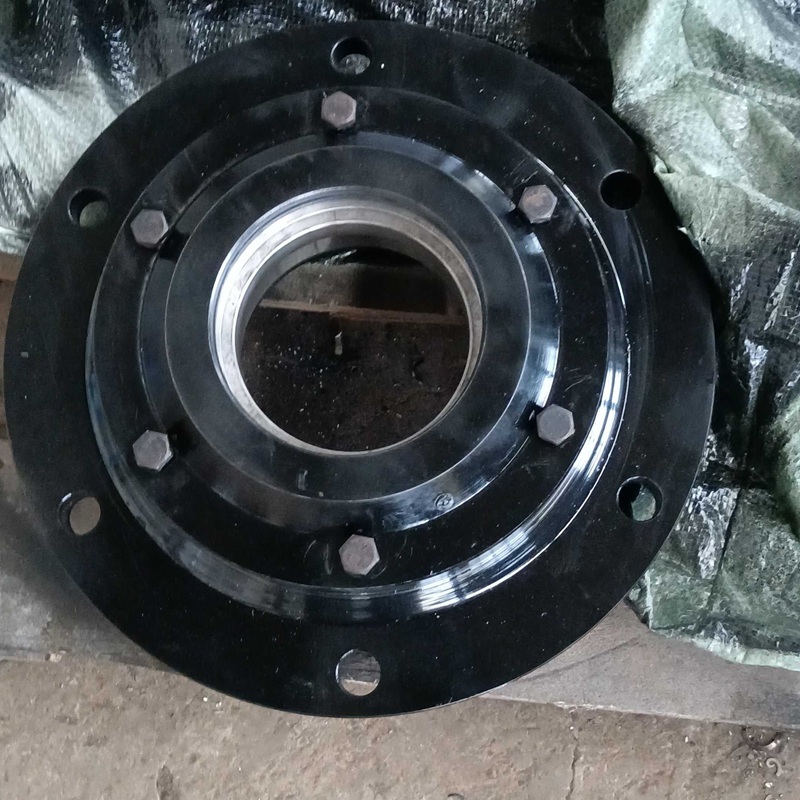
The rudder bearing is a crucial component in a ship's steering system. It plays an essential role in ensuring the proper functioning and maneuverability of the vessel.
A ship's rudder is responsible for changing the direction of the ship. The rudder bearing supports the rudder and allows it to pivot smoothly. Structurally, it is designed to withstand significant forces. It typically consists of a set of bearings that can be either roller bearings or sleeve bearings. Roller bearings offer low - friction movement and are good at handling radial and axial loads. Sleeve bearings, on the other hand, are often used in applications where simplicity and reliability are key factors.
The rudder bearing must be able to endure the constant stress and strain caused by the movement of the rudder. When a ship is sailing, the rudder is constantly adjusting to maintain the desired course. This movement subjects the bearing to various forces such as hydrodynamic forces from the water flowing past the rudder. These forces can be quite large, especially in rough seas or when the ship is making sharp turns.
Proper maintenance of the rudder bearing is of utmost importance. Regular inspections are necessary to check for signs of wear and tear. Any signs of excessive play, unusual noises, or overheating should be addressed immediately. Lubrication is also a critical aspect of maintaining the rudder bearing. Adequate lubrication reduces friction and helps to dissipate heat, thus prolonging the life of the bearing.
If the rudder bearing fails, it can have serious consequences for the ship. The ship may lose its ability to steer effectively, which can lead to dangerous situations. In extreme cases, it could result in the ship running aground or colliding with other vessels.
To ensure the reliability of the rudder bearing, high - quality materials are used in its construction. These materials are selected based on their strength, durability, and resistance to corrosion. In addition, modern ships often incorporate advanced monitoring systems that can continuously assess the condition of the rudder bearing. These systems can detect early signs of potential problems and alert the crew, allowing for timely maintenance and repair.
Keywords:
More information





Jin Di
Tel:
Sales E-mail:
MESSAGE
*Note: Please be sure to fill in the information accurately and keep the communication open, we will get in touch with you as soon as possible