
Ship stern shaft suppliers
Release Time:
Sep 29,2025
Leading global Ship stern shaft suppliers. Shengjing Machinery Manufacturing provides high-quality, durable stern shafts, ensuring reliable propulsion solutions for your fleet
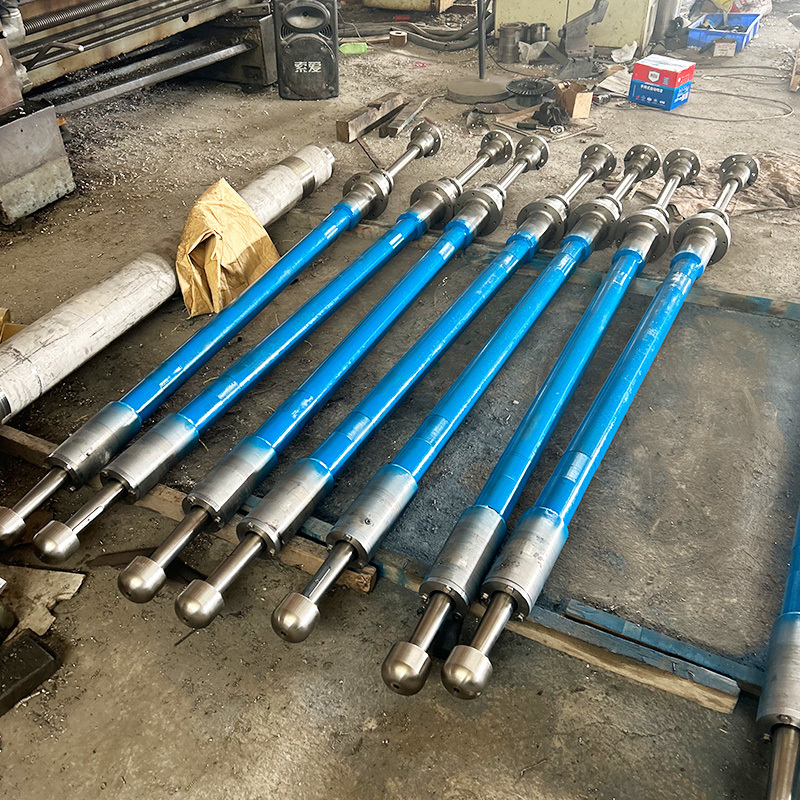
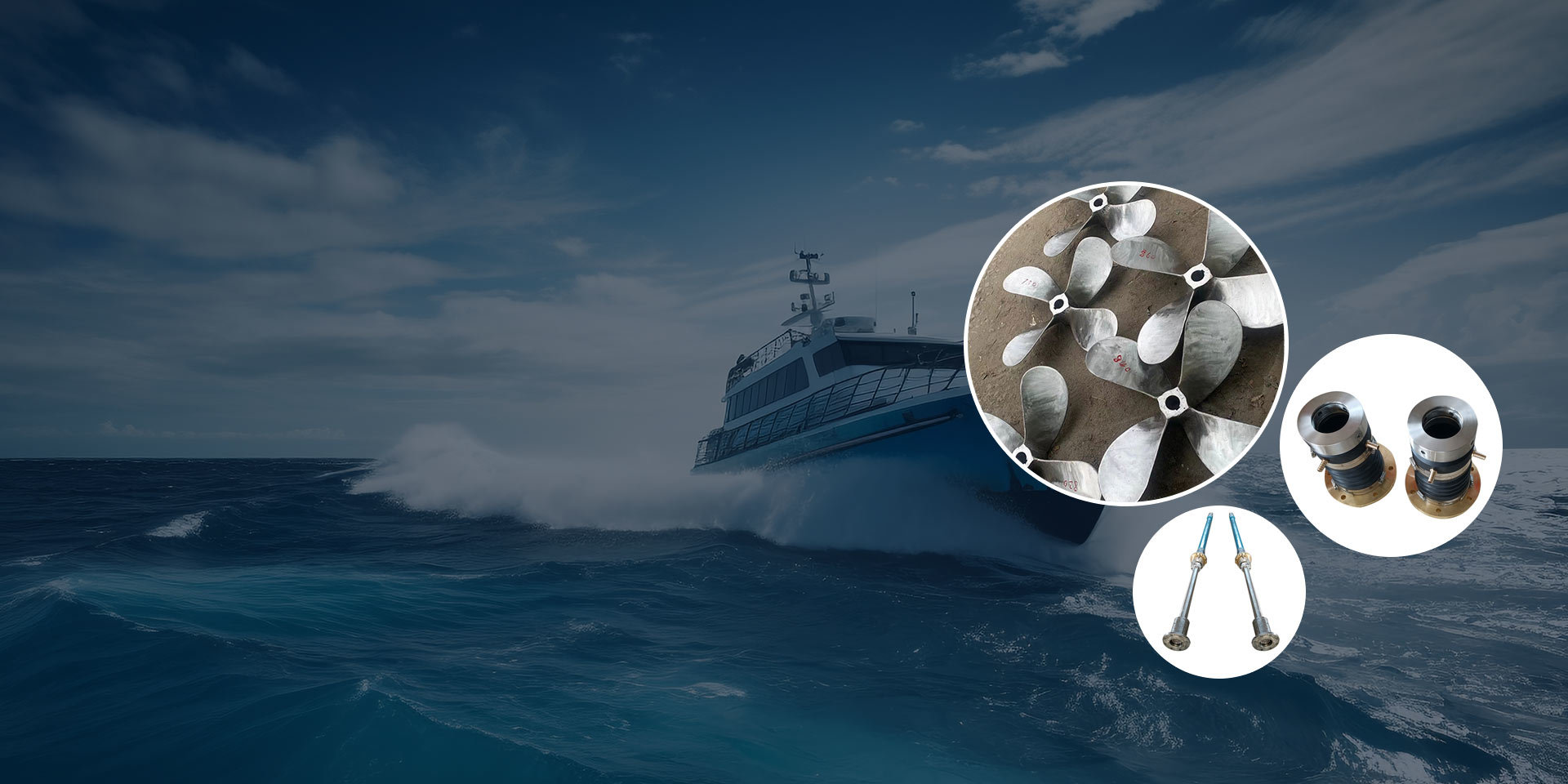
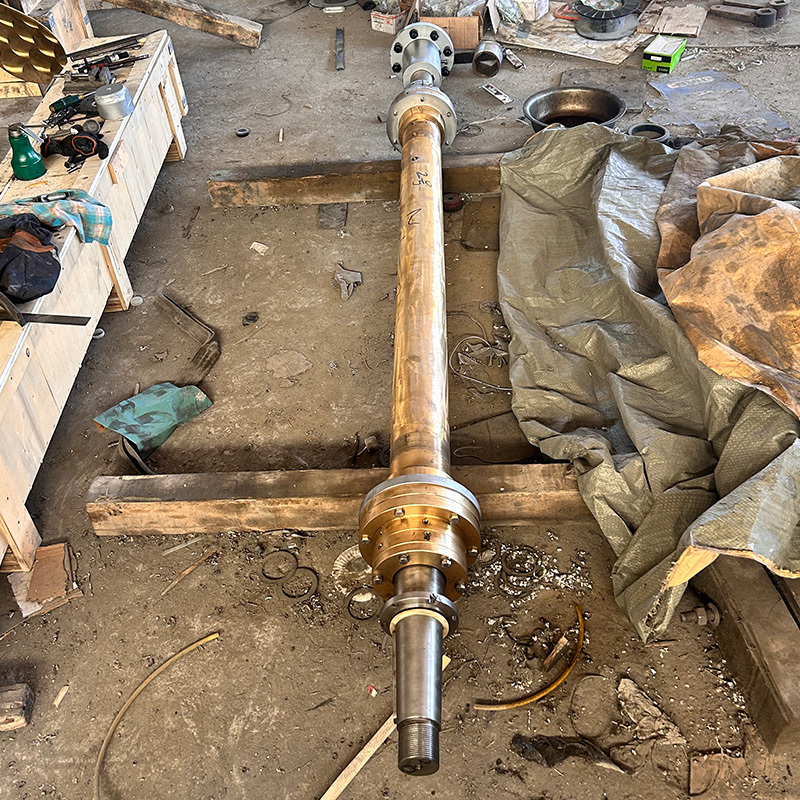
In the vast and complex ecosystem of marine engineering, few components are as fundamental and critically important as the ship stern shaft. Often referred to simply as the propeller shaft, this robust, precision-engineered cylinder serves as the vital link between a vessel's main power source—the engine—and its primary means of propulsion—the propeller. Located at the aft of the ship, the ship stern shaft must operate in one of the most demanding environments imaginable, transmitting immense torque while withstanding the relentless forces of the ocean. The design, maintenance, and performance of this component are paramount to a vessel's efficiency, safety, and operational longevity. The advantages of a well-designed and properly maintained ship stern shaft are numerous and profound, impacting nearly every aspect of a ship's operation.
One of the most significant advantages of a modern ship stern shaft is its contribution to operational reliability and safety. The entire propulsion system hinges on the integrity of this single component. A failure of the ship stern shaft at sea can lead to a complete loss of propulsion, placing the vessel, its crew, and its cargo in extreme peril, especially in adverse weather conditions. Therefore, these shafts are manufactured from high-strength, forged steel or advanced composite alloys, designed to resist fatigue, corrosion, and torsional stress over decades of service. The reliability engineered into the ship stern shaft ensures that vessels can undertake long transoceanic voyages with confidence, maintaining schedules and safeguarding all onboard. This inherent reliability is a non-negotiable advantage in an industry where downtime is measured in significant financial losses and safety risks.

Furthermore, the efficiency of power transmission is a direct advantage conferred by the quality of the ship stern shaft. The primary function of this component is to take the rotational power generated by the engine and deliver it to the propeller with minimal losses. Any inefficiency in this transfer, such as vibration or misalignment, directly translates into wasted fuel and reduced speed. Modern shafts are machined to exacting tolerances and are meticulously aligned during installation to ensure a smooth, direct transfer of power. This precision minimizes energy loss, allowing a greater percentage of the engine's output to be converted into forward thrust. In an era of high fuel costs and stringent environmental regulations, this efficiency is not just an economic advantage but also an ecological one, as it leads to lower fuel consumption and reduced greenhouse gas emissions.
Another key advantage lies in the integration of the stern shaft with the stern tube bearing system, which is crucial for durability and environmental protection. The section of the shaft that passes through the hull is supported by these bearings and sealed by a sophisticated arrangement known as the stern tube seal. This system prevents seawater from flooding the machinery spaces and keeps lubricants from contaminating the marine environment. The durability of the materials used for both the shaft and its bearings—often including advanced polymers and non-metallic composites—ensures a long service life with minimal wear. This robust design reduces the frequency of dry-docking for repairs, a process that is both time-consuming and exceedingly expensive. The ability of the ship stern shaft and its associated systems to operate for extended periods without intervention is a massive operational advantage for ship owners and operators.
The design and material science behind the modern ship stern shaft facilitate easier maintenance and repair, which is a significant logistical and financial advantage. While built for endurance, all marine components require inspection and upkeep. The standardized design of these shafts allows for systematic monitoring through vibration analysis and thermography, enabling predictive maintenance before catastrophic failure occurs. When maintenance is required, the design often permits in-situ machining or straightforward replacement procedures. This proactive approach to care extends the component's lifespan and prevents minor issues from escalating into major operational disruptions.
Keywords:
More information

Jin Di
Tel:
Sales E-mail:
MESSAGE
*Note: Please be sure to fill in the information accurately and keep the communication open, we will get in touch with you as soon as possible