
How a Propeller Shaft Enhances Boat Performance on Water
Release Time:
Apr 01,2025
How a Propeller Shaft Enhances Boat Performance on Water Table of Contents Introduction to Propeller Shafts Understanding the Mechanics of Propeller Shafts Different Types of Propeller Shafts The Importance of Propeller Shafts in Boat Performance How Propeller Shafts Affect Boat Performance Maintaining Your Propeller Shaft for Optimal Performance Common Issues with Propeller Shafts
How a Propeller Shaft Enhances Boat Performance on Water
Table of Contents
- Introduction to Propeller Shafts
- Understanding the Mechanics of Propeller Shafts
- Different Types of Propeller Shafts
- The Importance of Propeller Shafts in Boat Performance
- How Propeller Shafts Affect Boat Performance
- Maintaining Your Propeller Shaft for Optimal Performance
- Common Issues with Propeller Shafts
- Conclusion
- FAQs
Introduction to Propeller Shafts
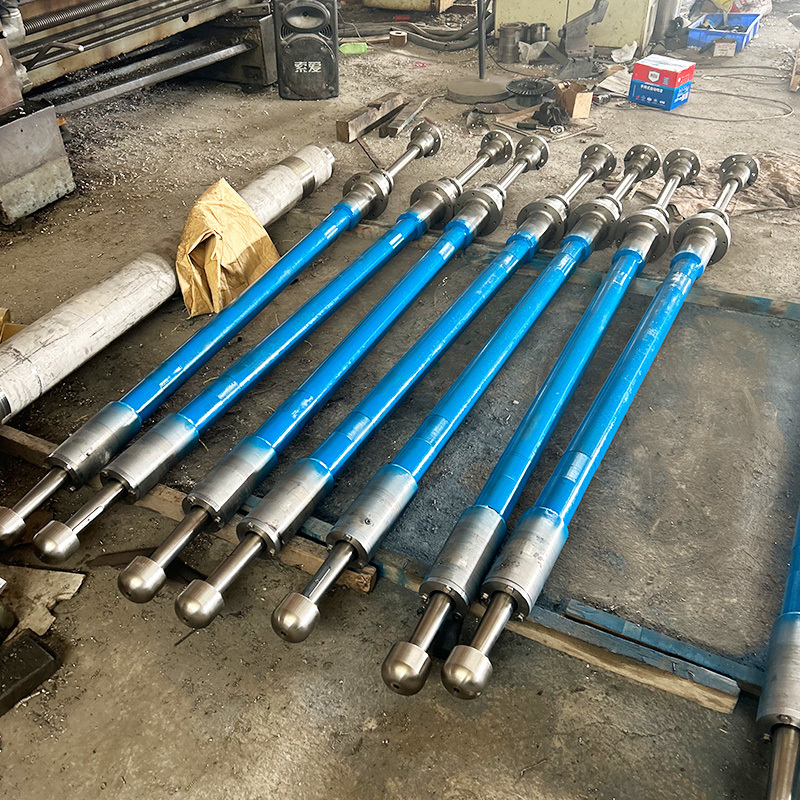
A propeller shaft is a crucial component in any vessel, serving as the connection between the engine and the propeller. Its primary purpose is to transmit power generated by the engine to the propeller, enabling the boat to navigate through water efficiently. Understanding how a propeller shaft works and its significance can greatly enhance your boating experience.
Understanding the Mechanics of Propeller Shafts
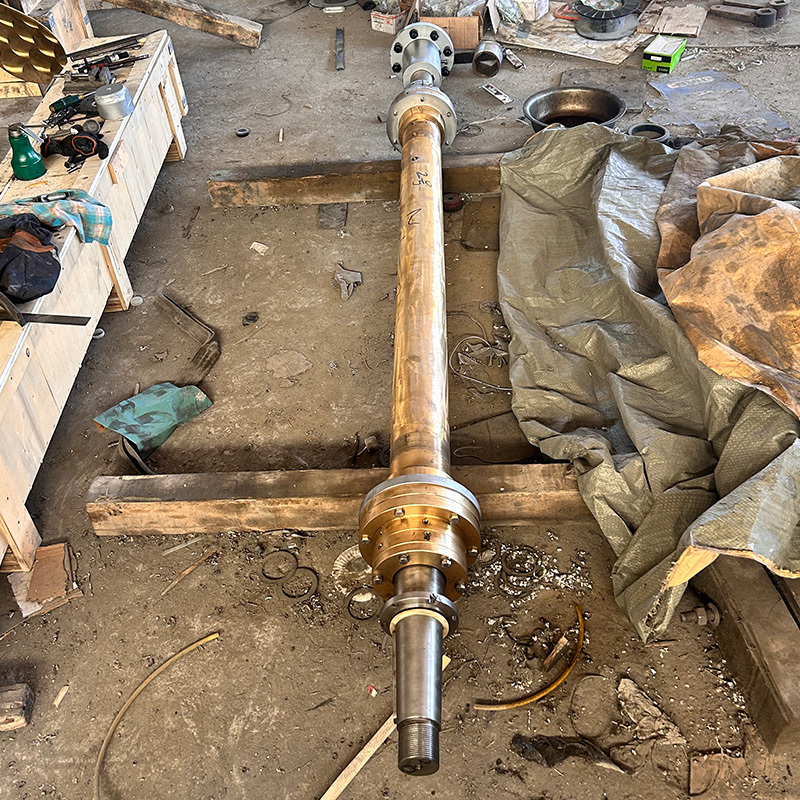
The mechanics of a propeller shaft are relatively straightforward yet vital for smooth operations. This shaft typically consists of several components:
1. Shaft Material
Propeller shafts are usually made from robust materials like stainless steel or bronze, designed to withstand the harsh marine environment. These materials provide the strength needed to handle high torque and resist corrosion from saltwater.
2. Bearings and Supports
Bearings support the shaft and allow it to rotate smoothly. Proper alignment and support are essential to minimize friction, which can lead to wear and tear.
3. Couplings
Couplings connect the engine to the propeller shaft, allowing for slight misalignments while ensuring power transfer efficiency.
Different Types of Propeller Shafts
There are various types of propeller shafts, each suited for different boat designs and performance requirements. Here are some common types:
1. Solid Shaft
A solid shaft is a single piece of material that provides strength and durability, ideal for high-performance boats.
2. Tubular Shaft
Tubular shafts are lighter and often used in smaller vessels. They offer flexibility while maintaining structural integrity.
3. Flexible Shaft
Flexible shafts can absorb vibrations and are often used in applications where noise reduction is crucial.
The Importance of Propeller Shafts in Boat Performance
The significance of propeller shafts extends beyond mere function. They play a pivotal role in determining the overall performance of a boat.
1. Power Transmission
A well-designed propeller shaft ensures efficient power transmission from the engine to the propeller, maximizing speed and reducing fuel consumption.
2. Maneuverability
Properly functioning propeller shafts enhance a boat’s maneuverability, allowing for sharper turns and better handling in various water conditions.
3. Stability and Control
A robust propeller shaft contributes to the overall stability of the vessel, providing better control during navigation, especially in rough waters.
How Propeller Shafts Affect Boat Performance
The performance of a boat is inherently linked to the efficiency of its propeller shaft. Several factors come into play:
1. Speed
A well-aligned propeller shaft directly influences the speed of a boat. Misalignments can cause vibrations, leading to a loss of speed and increased wear on the engine.
2. Fuel Efficiency
An efficient propeller shaft reduces drag and ensures that the engine operates at optimal RPM, ultimately improving fuel efficiency.
3. Vibration and Noise Reduction
High-quality propeller shafts minimize vibrations, leading to a smoother ride and quieter operation, enhancing the overall experience on the water.
Maintaining Your Propeller Shaft for Optimal Performance
Regular maintenance of your propeller shaft is crucial for maintaining peak performance. Here are some tips:
1. Routine Inspections
Conduct regular inspections for signs of wear, corrosion, or misalignment. Early detection can prevent more significant issues down the line.
2. Lubrication
Ensure that all bearings are well-lubricated to minimize friction and wear.
3. Cleaning
Regularly clean the propeller shaft to remove marine growth and debris that can affect performance.
Common Issues with Propeller Shafts
Despite their robustness, propeller shafts can encounter issues. Being aware of these can help you address them promptly:
1. Misalignment
Misalignment can lead to increased vibrations and wear on the engine. Ensuring proper alignment during installation is crucial.
2. Corrosion
Saltwater can cause corrosion over time, particularly in metal components. Regular inspections and protective coatings can mitigate this issue.
3. Wear and Tear
Continuous use can lead to gradual wear. It’s essential to replace worn components before they lead to failure.
Conclusion
In summary, a propeller shaft is more than just a mechanical component; it is the heart of your boat's performance on water. Understanding its mechanics, importance, and maintenance can enhance your boating experience significantly. By ensuring your propeller shaft operates at optimal levels, you can enjoy improved speed, efficiency, and control on the water.
FAQs
1. How often should I inspect my propeller shaft?
Regular inspections are recommended at least once a season or before long trips to ensure optimal performance.
2. What materials are best for propeller shafts?
Stainless steel and bronze are commonly used for their durability and resistance to corrosion.
3. Can I repair a damaged propeller shaft?
In many cases, minor damage can be repaired, but significant damage often requires replacement.
4. How does a propeller shaft impact fuel efficiency?
An efficient propeller shaft reduces drag and ensures optimal engine performance, leading to better fuel efficiency.
5. What are signs of a failing propeller shaft?
Signs include unusual vibrations, noise, and a decrease in speed. Regular maintenance can help identify issues early.
Keywords:
More information

Jin Di
Tel:
Sales E-mail:
MESSAGE
*Note: Please be sure to fill in the information accurately and keep the communication open, we will get in touch with you as soon as possible