
The Role of Propeller Shafts in Efficient Marine Navigation: Enhancing Performance and Safety
Release Time:
Apr 03,2025
The Role of Propeller Shafts in Efficient Marine Navigation Introduction to Propeller Shafts and Marine Navigation Marine navigation relies on various components working seamlessly to ensure vessels operate effectively on water. Among these components, **propeller shafts** play a pivotal role in transmitting power from the engine to the propeller, ultimately propelling the vessel forward. This art
The Role of Propeller Shafts in Efficient Marine Navigation
Introduction to Propeller Shafts and Marine Navigation
Marine navigation relies on various components working seamlessly to ensure vessels operate effectively on water. Among these components, **propeller shafts** play a pivotal role in transmitting power from the engine to the propeller, ultimately propelling the vessel forward. This article delves into how these shafts contribute to efficient marine navigation, the technology behind them, and their maintenance.
What is a Propeller Shaft?
A **propeller shaft** is a cylindrical component designed to transfer rotational energy from the marine engine to the **propeller**. This critical link enables the propulsion of boats and ships, enhancing their maneuverability and speed. Constructed from robust materials, propeller shafts are engineered to withstand various stresses encountered during operation, such as torque, vibration, and corrosion.
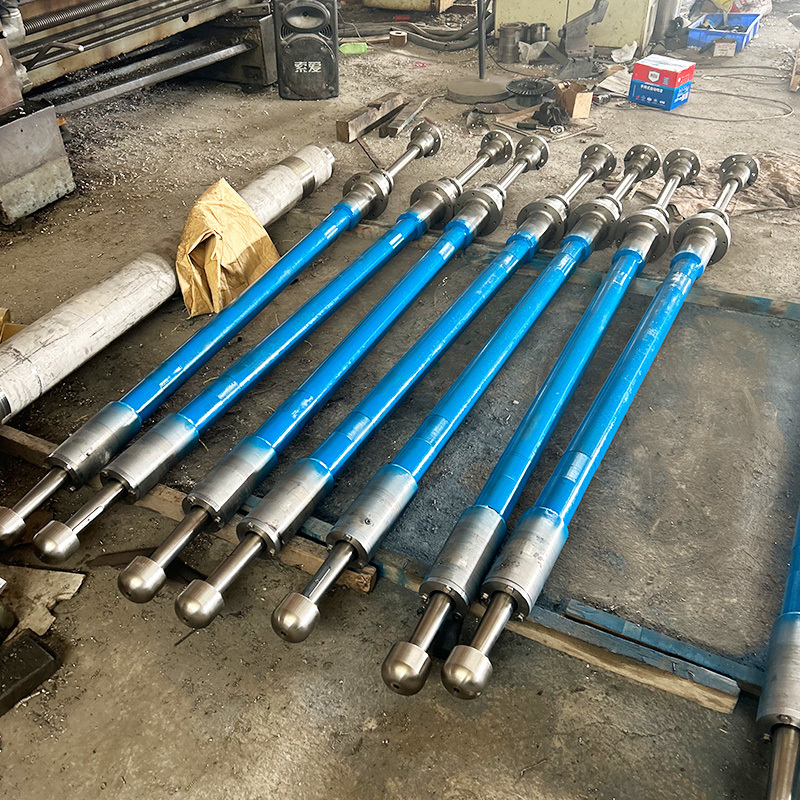
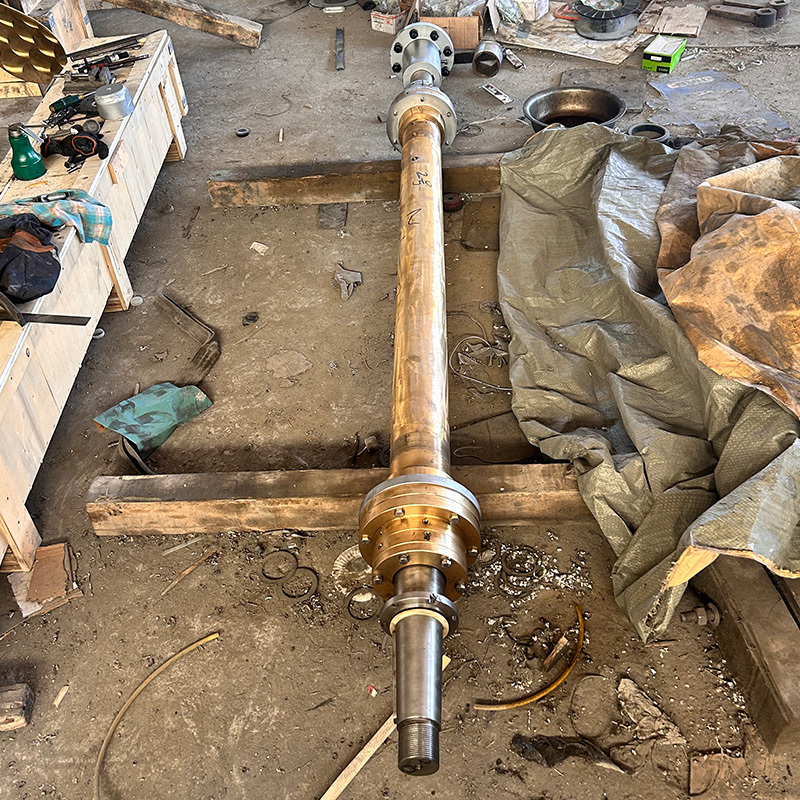
The Anatomy of a Propeller Shaft
Understanding the structure of a propeller shaft can provide insight into its functionality:
- **Shaft tube:** The main body of the shaft, typically made from high-strength steel or aluminum, designed for durability and resistance to wear.
- **Couplings:** These connect the shaft to the engine and propeller, allowing for flexibility and movement while maintaining a secure fit.
- **Bearings:** Positioned along the shaft, bearings reduce friction and support the shaft's rotation, enhancing efficiency and extending lifespan.
- **Seals:** These are crucial for preventing water intrusion and protecting the bearings and internal components from damage.
How Propeller Shafts Work
When the engine operates, it generates rotational energy, which travels through the coupling to the propeller shaft. As the shaft rotates, it turns the propeller blades, creating thrust and propelling the vessel through the water. The angle and pitch of the propeller, combined with the shaft's rotation speed, dictate the vessel's speed and maneuverability.
The Importance of Propeller Shafts in Marine Navigation
Efficient marine navigation hinges on several factors, and propeller shafts are central to this process. Here are some critical roles they play:
1. Enhancing Propulsion Efficiency
High-quality propeller shafts are designed to minimize energy loss during power transmission. A well-maintained shaft ensures that more energy from the engine is converted into thrust, making navigation more efficient. **Efficiency** translates to lower fuel consumption, which is vital for operational cost management in marine operations.
2. Improving Vessel Maneuverability
The design and function of propeller shafts directly impact a vessel's maneuverability. By providing precise control over the thrust produced, they enable vessels to navigate through narrow passages, perform swift turns, and dock with ease. This is especially important for commercial shipping and recreational boating alike.
3. Ensuring Safety at Sea
A reliably functioning propeller shaft is crucial for safe marine navigation. Any failure in the shaft can lead to catastrophic events, including loss of propulsion, which could result in collisions or groundings. Regular maintenance and inspection of propeller shafts help mitigate these risks and enhance overall maritime safety.
Factors Impacting Propeller Shaft Performance
To maximize the efficiency and safety of marine navigation, several factors must be considered regarding propeller shafts:
1. Material Selection
The material used in manufacturing propeller shafts is critical. **Stainless steel**, aluminum, and composite materials each have unique properties affecting strength, weight, and resistance to corrosion. Optimal material choice ensures durability and longevity under harsh marine conditions.
2. Alignment and Installation
Proper alignment during installation is essential for minimizing stress on the shaft and its connections. Misalignment can lead to vibrations, increased wear, and even catastrophic failure. Hence, professional installation and regular alignment checks are necessary for maintaining performance.
3. Regular Maintenance Practices
Routine inspections and maintenance practices can significantly extend the lifespan of propeller shafts. Key maintenance tasks include:
- **Lubrication of Bearings:** Ensures smooth rotation and reduces friction.
- **Inspection for Wear and Corrosion:** Early detection of wear allows for timely repairs or replacements.
- **Sealing Checks:** Ensures that seals are intact to prevent water intrusion.
Common Issues with Propeller Shafts and Their Solutions
While propeller shafts are designed for durability, they are not immune to issues. Here are some common problems faced and their potential solutions:
1. Vibration Problems
Excessive vibration can arise from misalignment or imbalance. To resolve this, a thorough inspection should be conducted, and adjustments made to restore balance and alignment.
2. Corrosion
Corrosion can significantly weaken a propeller shaft. Regular inspection and the application of protective coatings can help mitigate this issue. In severe cases, replacement may be necessary.
3. Wear and Tear
Over time, components such as bearings can wear out. Regular maintenance and replacement of worn parts ensure the shaft remains functional and efficient.
Choosing the Right Propeller Shaft for Your Vessel
Selecting the appropriate propeller shaft is crucial for optimal marine navigation. Factors to consider include:
1. Vessel Type
Different vessels require different shaft specifications. For instance, high-performance racing boats may need lightweight shafts, while commercial tankers may require more robust options.
2. Operating Conditions
Consider the environment in which the vessel will operate. For instance, saltwater environments necessitate materials that resist corrosion.
3. Performance Requirements
Evaluate the vessel's intended use to determine performance requirements. This includes speed, load capacity, and maneuverability, which will influence the shaft design and structure.
Future Trends in Propeller Shaft Technology
Innovation in marine technology is continually reshaping the marine industry, including propeller shafts. Here are some trends to watch:
1. Advanced Materials
The use of composite materials and advanced alloys is on the rise, offering enhanced strength-to-weight ratios and improved corrosion resistance.
2. Smart Technology Integration
The integration of sensors and IoT technology allows for real-time monitoring of propeller shaft conditions, enabling predictive maintenance and reducing downtime.
3. Enhanced Design Techniques
Modern computational design techniques improve the aerodynamic and hydrodynamic efficiency of propeller shafts, further enhancing vessel performance and fuel efficiency.
Conclusion
The significance of **propeller shafts** in marine navigation cannot be overstated. They are pivotal in ensuring efficient propulsion, enhancing maneuverability, and maintaining safety at sea. By understanding their function, the factors affecting performance, and the importance of regular maintenance, vessel operators can maximize the efficiency of their marine operations. As technology continues to advance, it is essential to stay informed about developments in propeller shaft design and maintenance practices, ensuring vessels remain competitive and safe in an ever-evolving maritime landscape.
FAQs About Propeller Shafts
1. What materials are commonly used for propeller shafts?
The most common materials include stainless steel, aluminum, and composite materials, each offering different benefits in terms of strength and corrosion resistance.
2. How often should propeller shafts be maintained?
Regular maintenance is recommended at least once a year, with additional inspections before and after the boating season.
3. What are the signs of a failing propeller shaft?
Signs include unusual vibrations, noise during operation, and visible wear or damage to the shaft or bearings.
4. Can I replace a propeller shaft myself?
While some experienced individuals may handle replacements, it is advisable to seek professional help to ensure proper alignment and installation.
5. How does the design of a propeller affect the performance of a propeller shaft?
The design, including the pitch and diameter of the propeller, affects thrust and efficiency, which directly influences the performance required from the propeller shaft.
Keywords:
More information


Jin Di
Tel:
Sales E-mail:
MESSAGE
*Note: Please be sure to fill in the information accurately and keep the communication open, we will get in touch with you as soon as possible