
Exploring the Comprehensive Benefits of Water-Lubricated Bearings in Industrial Applications
Release Time:
Apr 05,2025
Exploring the Comprehensive Benefits of Water-Lubricated Bearings in Industrial Applications Table of Contents 1. Introduction to Water-Lubricated Bearings 2. The Mechanics of Water-Lubricated Bearings 3. Key Advantages of Water-Lubricated Bearings 3.1. Environmental Benefits 3.2. Cost-Effectiveness 3.3. Enhanced Operational Efficiency 4. Applications of Water-Lubricated Bearings in Industry 4.1.
Exploring the Comprehensive Benefits of Water-Lubricated Bearings in Industrial Applications
Table of Contents
1. Introduction to Water-Lubricated Bearings
2. The Mechanics of Water-Lubricated Bearings
3. Key Advantages of Water-Lubricated Bearings
3.1. Environmental Benefits
3.2. Cost-Effectiveness
3.3. Enhanced Operational Efficiency
4. Applications of Water-Lubricated Bearings in Industry
4.1. Marine and Offshore Applications
4.2. Water Treatment Plants
4.3. Pulp and Paper Industry
5. Maintenance and Longevity of Water-Lubricated Bearings
6. Challenges and Limitations
7. Future Trends in Water-Lubricated Bearings
8. Frequently Asked Questions (FAQs)
9. Conclusion
1. Introduction to Water-Lubricated Bearings
Water-lubricated bearings have emerged as a revolutionary innovation in the realm of industrial equipment. Unlike traditional bearings that rely on oil or grease for lubrication, these bearings utilize water as their primary lubricant. This shift offers numerous advantages, making them increasingly popular across various sectors.
Engineers and industrial operators are recognizing the benefits of integrating water-lubricated bearings into their systems. By leveraging the unique properties of water, these bearings promise enhanced performance, greater efficiency, and significant environmental advantages.
2. The Mechanics of Water-Lubricated Bearings
Water-lubricated bearings operate on the principle of hydrodynamic lubrication. In this system, a thin film of water forms between the bearing surface and the shaft, allowing for smooth movement with minimal friction. This mechanism reduces wear and tear, prolonging the lifespan of the components involved.
These bearings typically consist of materials that can withstand the corrosive nature of water. Commonly used materials include polymers, ceramics, and specially treated metals. The design and construction of these bearings ensure they can handle various loads while maintaining optimal performance.
3. Key Advantages of Water-Lubricated Bearings
3.1. Environmental Benefits
One of the standout features of water-lubricated bearings is their environmental friendliness. As industries worldwide strive to reduce their carbon footprint, these bearings present a sustainable alternative. Unlike oil-based lubricants, which can cause pollution and environmental hazards, water is a clean, renewable resource.
Moreover, using water as a lubricant eliminates the need for disposal of hazardous oils, reducing waste and ensuring compliance with environmental regulations. This attribute is particularly beneficial for industries that prioritize sustainability and eco-friendliness in their operations.
3.2. Cost-Effectiveness
Incorporating water-lubricated bearings can lead to substantial cost savings for businesses. The initial investment in these bearings may be comparable to traditional options; however, the long-term benefits far outweigh the costs.
Water-lubricated bearings require minimal maintenance, resulting in lower operational costs. They also have a longer lifespan due to reduced wear and tear, which means fewer replacements and less downtime. These factors contribute to an overall reduction in the total cost of ownership for industrial operations.
3.3. Enhanced Operational Efficiency
Water-lubricated bearings are designed to provide superior performance in various operating conditions. Their ability to maintain a consistent lubrication film enhances operational efficiency, reducing the energy required to operate machinery.
Furthermore, these bearings exhibit excellent shock absorption and vibration damping properties. This capability is crucial in heavy-duty applications, where machinery is subjected to varying loads and stresses. By minimizing friction and wear, water-lubricated bearings facilitate smooth and efficient operations.
4. Applications of Water-Lubricated Bearings in Industry
Water-lubricated bearings are versatile components used in various sectors. Here are some notable applications:
4.1. Marine and Offshore Applications
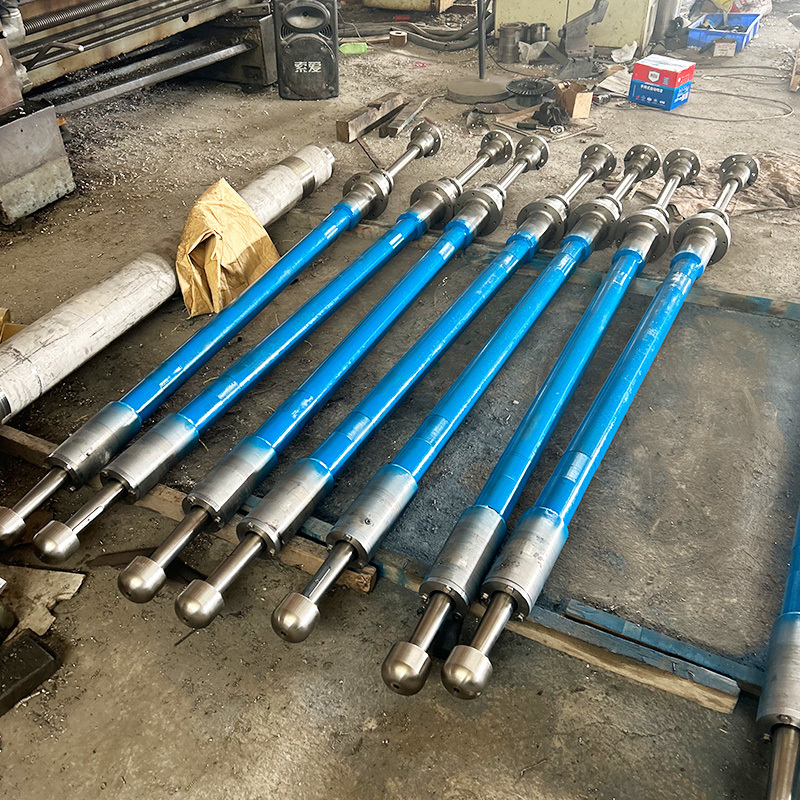
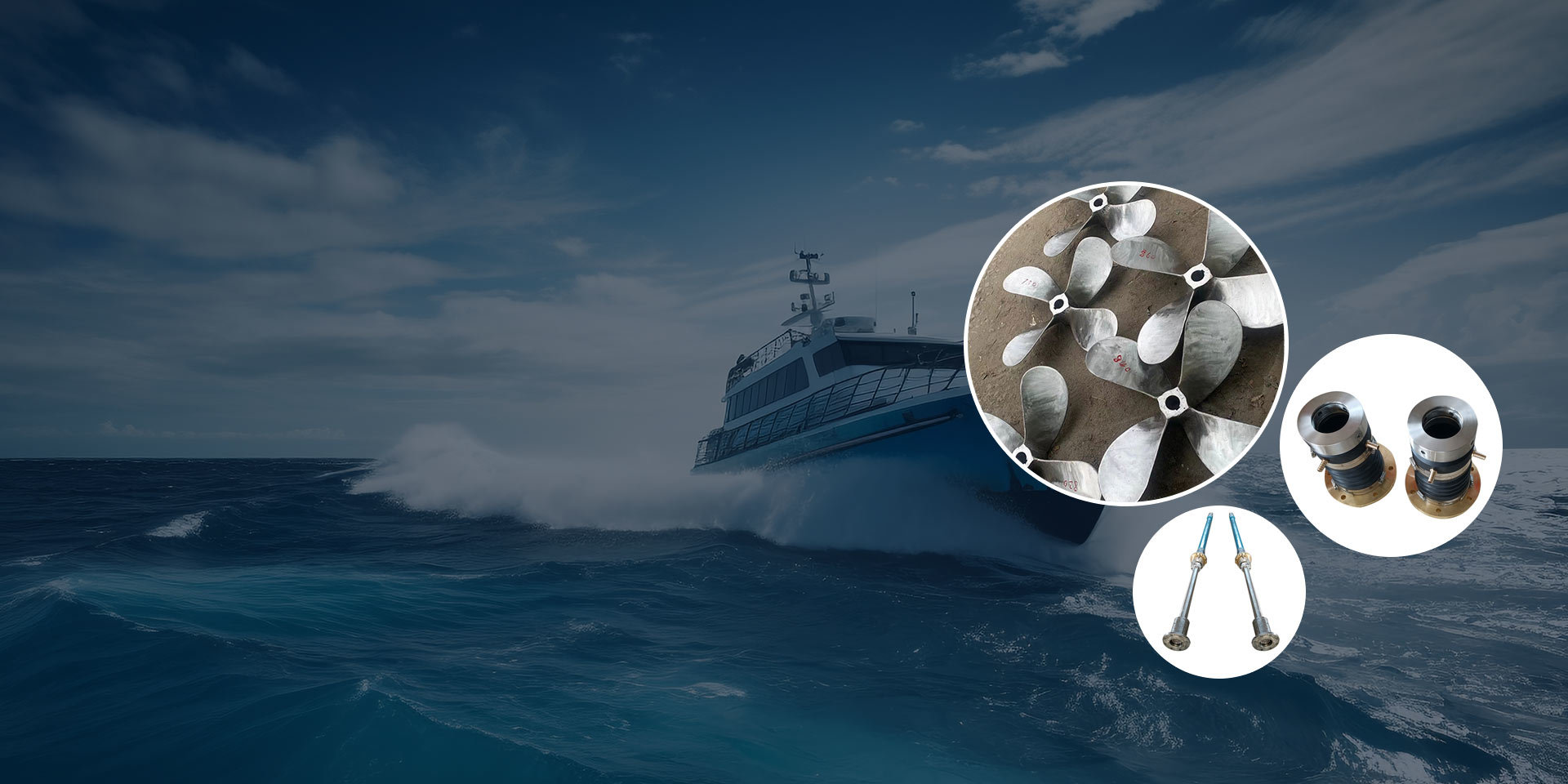
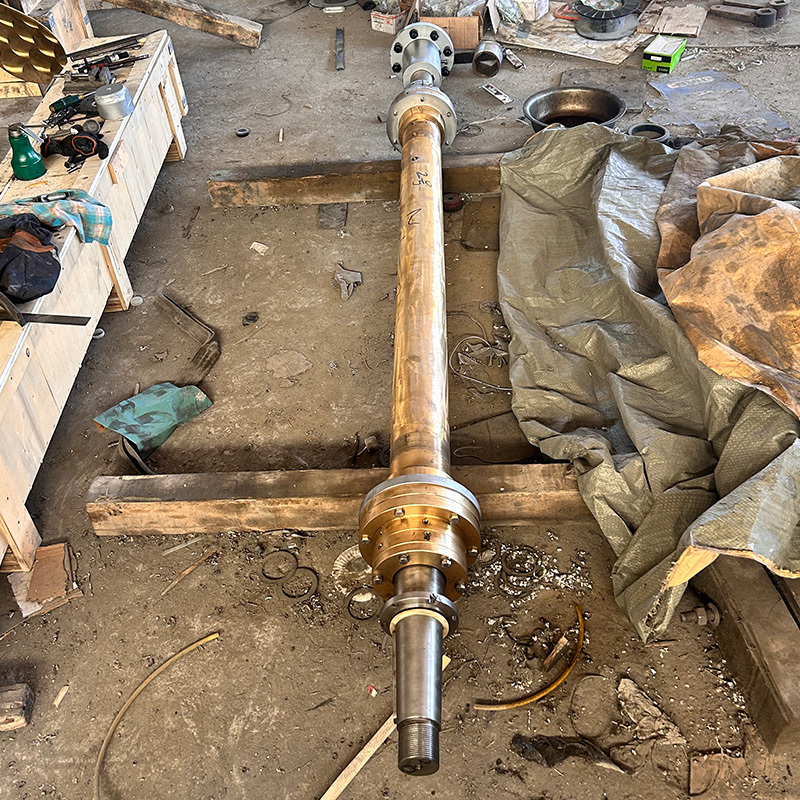
The marine industry has been one of the primary adopters of water-lubricated bearings. These bearings are ideal for ship propeller shafts and other underwater components, where traditional lubricants are often impractical or environmentally harmful. The use of water ensures smooth operation and reduces the risk of contamination in aquatic environments.
4.2. Water Treatment Plants
In water treatment facilities, the use of water-lubricated bearings is particularly advantageous. These facilities often deal with large volumes of water and require components that can withstand continuous exposure to moisture. Water-lubricated bearings provide reliable performance in pumps and other machinery within treatment plants.
4.3. Pulp and Paper Industry
The pulp and paper industry also benefits from the use of water-lubricated bearings. The presence of water in production processes makes these bearings a natural fit. They help reduce friction in machinery, enhancing efficiency and prolonging equipment life.
5. Maintenance and Longevity of Water-Lubricated Bearings
Regular maintenance is essential to ensure the longevity and optimal performance of any bearing, including water-lubricated varieties. While these bearings require less frequent maintenance than traditional options, it is still crucial to monitor their condition regularly.
Operators should check for signs of wear, corrosion, or any changes in performance. Additionally, ensuring that the water used for lubrication is clean and free from contaminants is vital for maintaining the bearings' efficiency.
6. Challenges and Limitations
Despite their many advantages, water-lubricated bearings do come with challenges. One of the primary concerns is their performance in extreme temperatures. Water can freeze or evaporate, which may lead to lubrication failures under certain conditions.
Moreover, the material selection for these bearings is critical. Not all materials are suitable for contact with water, and improper choices can lead to rapid degradation. Careful consideration must be given to the specific application and environmental conditions when selecting water-lubricated bearings.
7. Future Trends in Water-Lubricated Bearings
As industries continue to prioritize sustainability and efficiency, the demand for water-lubricated bearings is expected to grow. Innovations in materials and designs are likely to enhance their performance and expand their applications.
Research and development in advanced composites and coatings may lead to even greater resistance to wear, corrosion, and temperature extremes. As these technologies advance, we can expect water-lubricated bearings to become a standard choice in industrial applications.
8. Frequently Asked Questions (FAQs)
What are water-lubricated bearings?
Water-lubricated bearings are bearings that use water as a lubricant instead of traditional oils or greases.
What are the benefits of using water-lubricated bearings?
The benefits include environmental sustainability, cost-effectiveness, enhanced operational efficiency, and reduced maintenance needs.
In which applications are water-lubricated bearings commonly used?
They are commonly used in marine applications, water treatment plants, and the pulp and paper industry.
Are there any limitations to water-lubricated bearings?
Yes, challenges include performance in extreme temperatures and the need for careful material selection to prevent degradation.
How can I maintain water-lubricated bearings?
Regular monitoring for wear and ensuring the water used for lubrication is clean are crucial for maintenance.
9. Conclusion
Water-lubricated bearings represent a significant advancement in industrial applications, offering numerous benefits that align with the needs of modern industries. Their environmental advantages, cost-effectiveness, and operational efficiency make them a compelling choice for various sectors.
As technology continues to evolve, the future of water-lubricated bearings looks promising, with innovations poised to enhance their performance further. By investing in these bearings, industries can not only improve their operations but also contribute to a more sustainable future. Embracing water-lubricated bearings is not just a smart decision; it is a step towards a greener, more efficient industrial landscape.
Keywords:
More information
Jin Di
Tel:
Sales E-mail:
MESSAGE
*Note: Please be sure to fill in the information accurately and keep the communication open, we will get in touch with you as soon as possible