
Exploring the Advantages and Applications of Water-Lubricated Bearings
Release Time:
Apr 08,2025
Water-lubricated bearings are a unique type of bearing that utilize water as a lubricant instead of traditional oils or greases. This innovative approach offers numerous advantages, particularly in applications where environmental sustainability and operational efficiency are paramount. By understanding the benefits and applications of water-lubricated bearings, industries can make informed choice
Water-lubricated bearings are a unique type of bearing that utilize water as a lubricant instead of traditional oils or greases. This innovative approach offers numerous advantages, particularly in applications where environmental sustainability and operational efficiency are paramount. By understanding the benefits and applications of water-lubricated bearings, industries can make informed choices that align with modern demands for eco-friendliness and performance.
One of the primary advantages of water-lubricated bearings is their ability to operate without the need for petroleum-based lubricants. This not only reduces the environmental impact associated with the disposal of used oils, but it also minimizes the risk of contamination in sensitive applications, such as marine environments or food processing facilities. The use of water as a lubricant ensures that any potential leakage does not pose a significant threat to the ecosystem.
In addition to their environmental benefits, water-lubricated bearings exhibit excellent performance characteristics. They can handle high loads and operate effectively at various temperatures, making them suitable for a wide range of industrial applications. The hydrodynamic lubrication provided by water forms a thin film that separates moving surfaces, reducing friction and wear. This leads to longer service life and lower maintenance costs, as there is less need for frequent replacements or repairs.
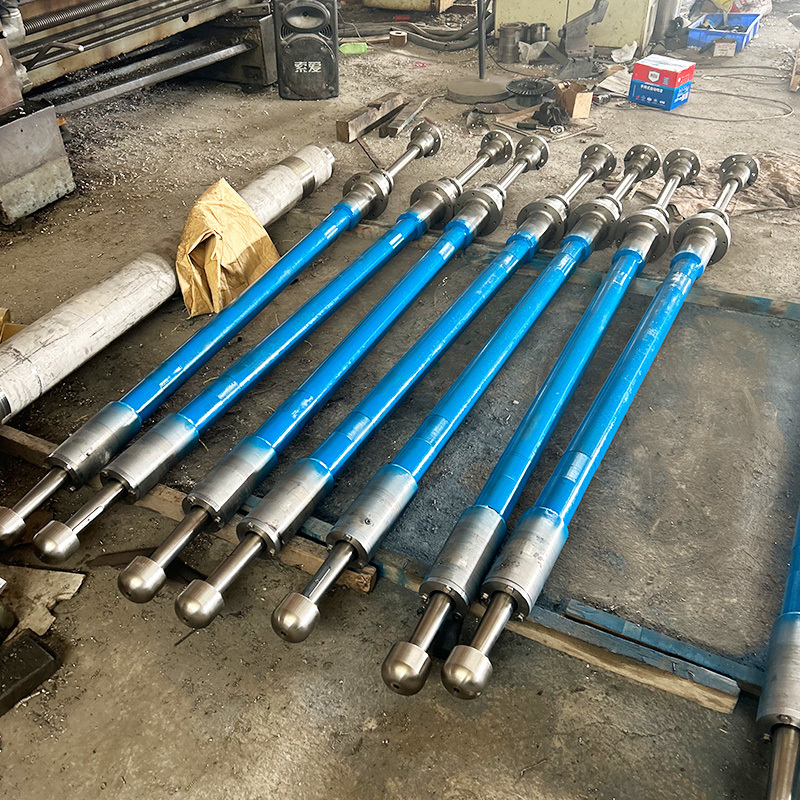
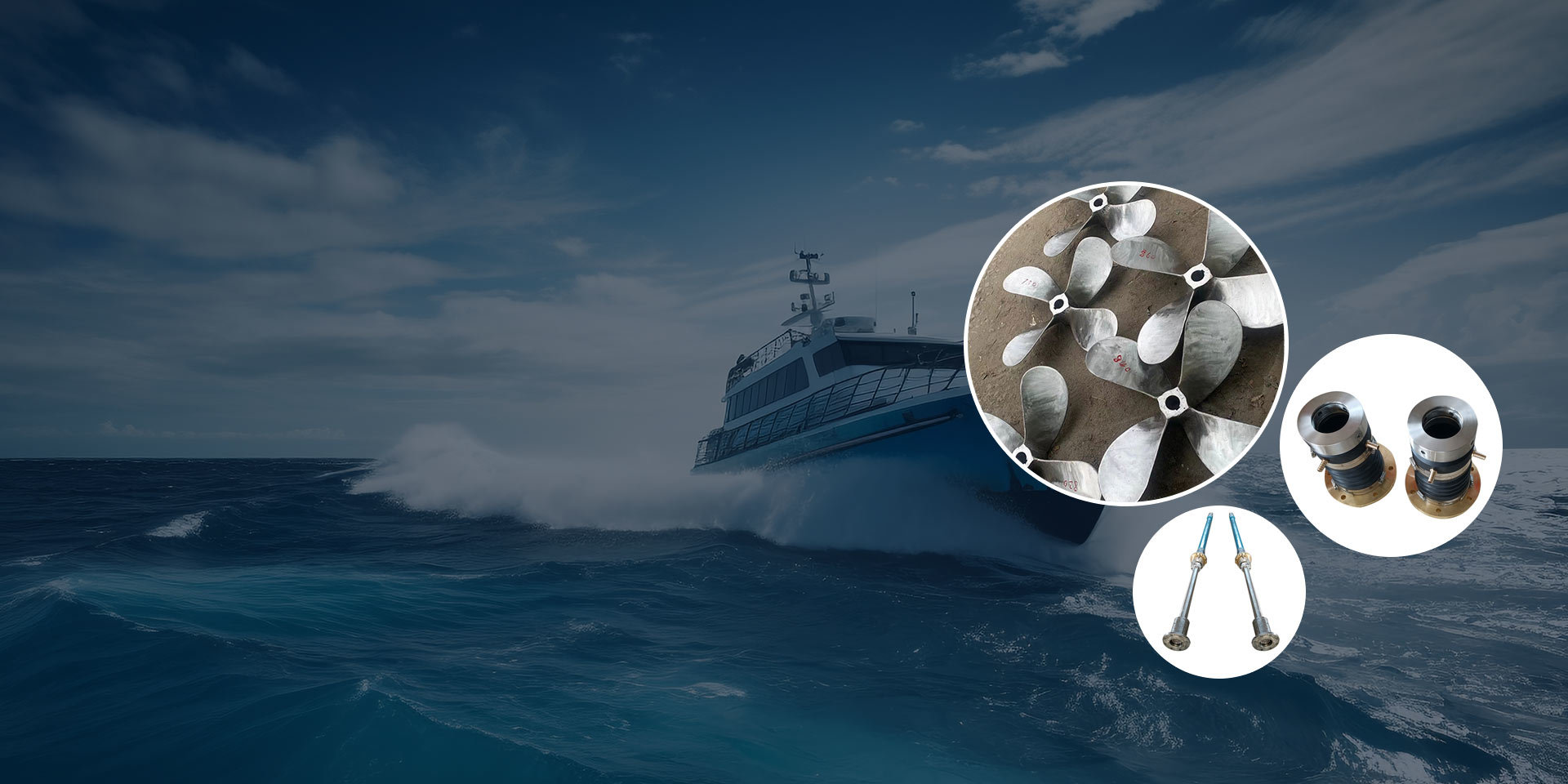
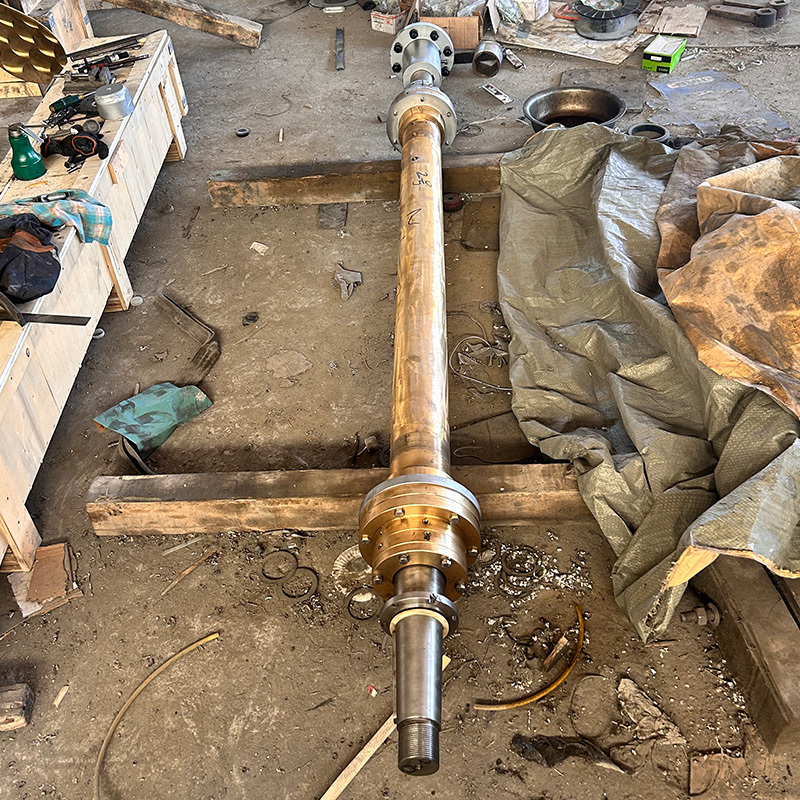
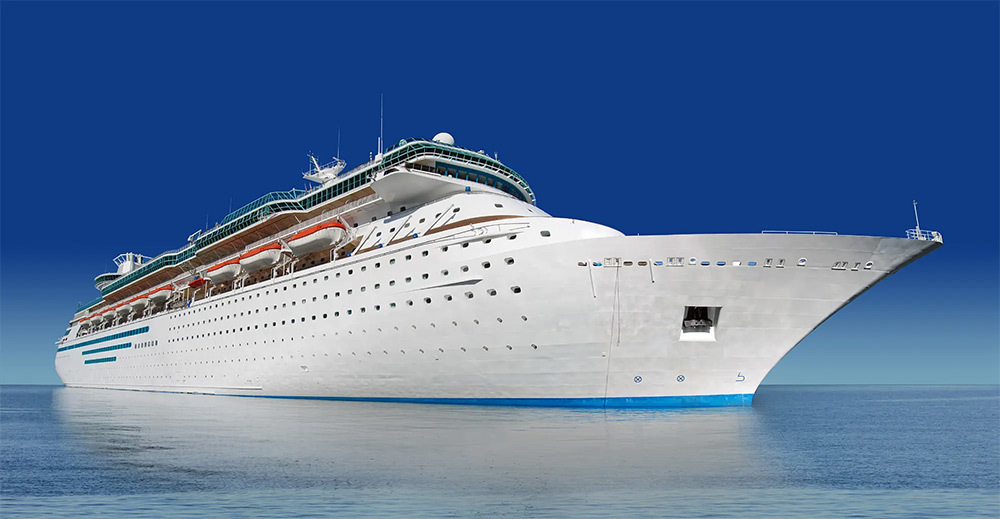
Water-lubricated bearings are increasingly being adopted in sectors such as marine propulsion systems, where they are used in ship propellers and shaft lines. The ability to function in seawater conditions without corrosion or degradation is a significant advantage. Furthermore, these bearings play a crucial role in hydroelectric turbines, where they facilitate smooth operation while minimizing environmental risks.
In addition to marine applications, water-lubricated bearings are also utilized in industrial pumps, HVAC systems, and wastewater treatment facilities. Their versatility makes them an attractive option for various equipment designs, particularly in situations where conventional lubricants may pose challenges. As industries continue to embrace sustainability, the demand for water-lubricated bearings is expected to grow.
In conclusion, water-lubricated bearings represent a significant advancement in bearing technology, offering an eco-friendly alternative to traditional lubricants without compromising performance. Their ability to operate in diverse conditions while minimizing environmental impact makes them an excellent choice for various applications. As industries strive for sustainability and efficiency, understanding the benefits and applications of water-lubricated bearings can empower decision-makers to implement innovative solutions that meet both operational demands and environmental responsibilities.
Keywords:
More information
Jin Di
Tel:
Sales E-mail:
MESSAGE
*Note: Please be sure to fill in the information accurately and keep the communication open, we will get in touch with you as soon as possible