
The Crucial Role of Rudder Bearings in Ensuring Safe Navigation
Release Time:
Apr 11,2025
The Crucial Role of Rudder Bearings in Ensuring Safe Navigation When it comes to maritime travel, safety and precision are paramount. One of the instrumental components that contribute to this safety is the **rudder bearing**. These bearings play a critical role in the operation of a ship's rudder, which is vital for steering and maneuverability. In this article, we will delve into the complexitie
The Crucial Role of Rudder Bearings in Ensuring Safe Navigation
When it comes to maritime travel, safety and precision are paramount. One of the instrumental components that contribute to this safety is the **rudder bearing**. These bearings play a critical role in the operation of a ship's rudder, which is vital for steering and maneuverability. In this article, we will delve into the complexities of rudder bearings, their types, maintenance, and their overall importance in ensuring safe navigation.
Table of Contents
- Understanding Rudder Bearings
- Types of Rudder Bearings
- Importance of Rudder Bearings in Navigation
- How Rudder Bearings Work
- Maintenance of Rudder Bearings
- Common Issues with Rudder Bearings
- Replacement of Rudder Bearings
- Future of Rudder Bearings in the Maritime Industry
- FAQs on Rudder Bearings
Understanding Rudder Bearings
Rudder bearings are mechanical components that allow the rudder to pivot smoothly and efficiently. They provide support and reduce friction between the rudder stock and the hull of the ship. The design of rudder bearings is crucial for maintaining the integrity and longevity of a vessel’s steering system. As they are submerged in water, they must withstand not just the movement of the rudder but also various environmental factors, making their construction and materials vital for performance.
Components of Rudder Bearings
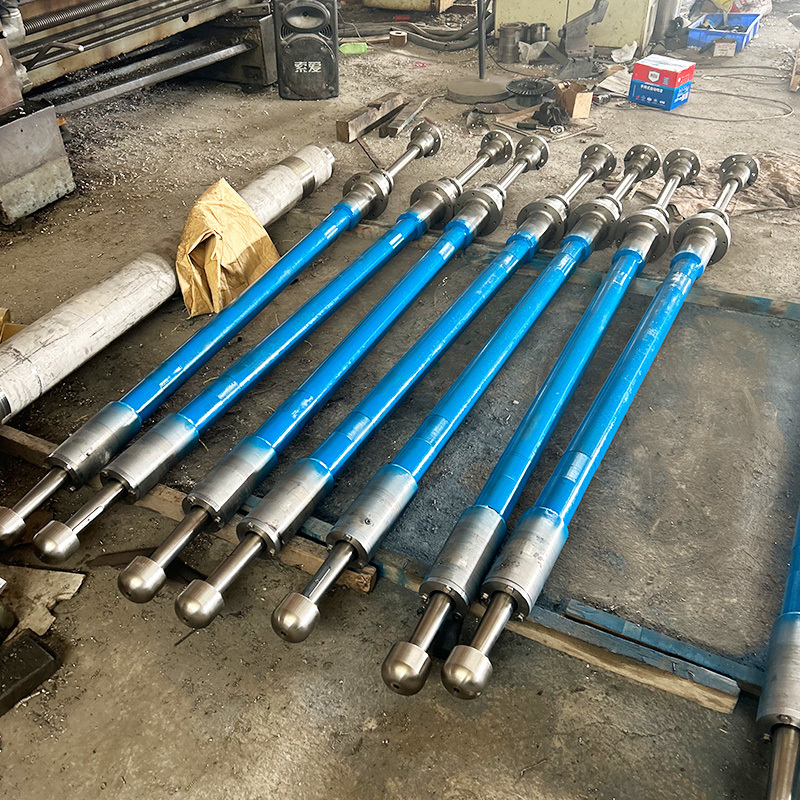
The rudder bearing typically consists of several key components:
- **Bushings:** These are the sleeves that fit over the rudder stock, providing a smooth surface for movement.
- **Housing:** This encases the bushings and connects them to the ship’s hull.
- **Seals:** These prevent water ingress, maintaining the bearing's integrity and ensuring that it operates smoothly.
Types of Rudder Bearings
There are several types of rudder bearings, each designed for specific applications and conditions.
1. Plain Bearings
Plain bearings are the simplest form, typically made from materials like bronze or plastic. They are suitable for low-speed applications.
2. Roller Bearings
These bearings use rollers instead of friction surfaces, allowing for smoother movement and less wear over time. They are often used in larger vessels due to their durability.
3. Self-lubricating Bearings
These bearings are designed with materials that provide lubrication, reducing the need for regular maintenance. They are ideal for harsh marine environments.
Importance of Rudder Bearings in Navigation
Rudder bearings are indispensable for safe navigation. They provide stability and control, enabling a vessel to respond accurately to steering commands. Without proper functioning rudder bearings, the risks of navigating can increase significantly.
Enhancing Maneuverability
The ability of a ship to navigate effectively in tight spaces, such as harbors and narrow channels, heavily depends on the efficiency of its rudder bearings. Smooth operation allows for quick adjustments in direction, which is essential for avoiding obstacles and ensuring safe docking.
Impact on Safety and Compliance
Rudder bearings contribute to overall vessel safety by reducing the chances of steering failures. Additionally, maintaining optimal performance helps vessels meet regulatory compliance standards, which are crucial for operating within international waters.
How Rudder Bearings Work
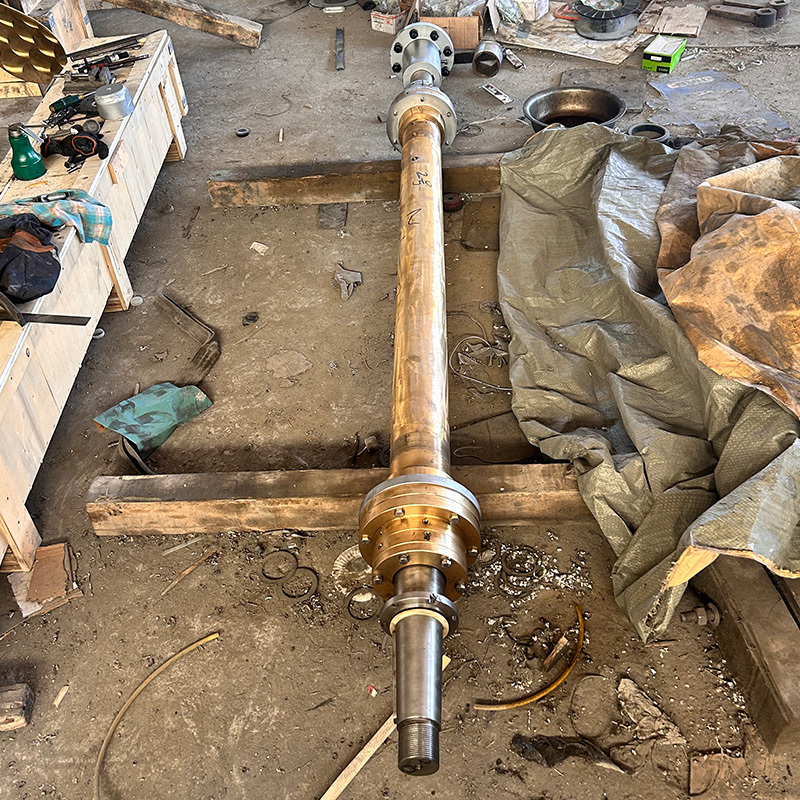
Understanding the mechanics of rudder bearings is essential for appreciating their role in navigation. The rudder is attached to the rudder stock, which is supported by the bearings. When the helm is turned, the rudder stock pivots within the bearings, allowing the rudder to change the direction of the vessel.
Friction Reduction
Rudder bearings function by minimizing friction between the moving parts. This reduction in friction is crucial for allowing smooth and responsive steering, especially during high-speed maneuvers.
Load Distribution
The design of rudder bearings also ensures that the loads experienced by the rudder are evenly distributed, preventing undue stress on any single part of the steering mechanism. This distribution is vital for maintaining the structural integrity of both the rudder and the bearings themselves.
Maintenance of Rudder Bearings
Regular maintenance of rudder bearings is key to ensuring their longevity and performance. Failing to maintain these components can lead to severe consequences, including steering failures and increased repair costs.
Routine Inspections
Conducting routine inspections is essential for identifying wear and tear. Ship operators should check for signs of corrosion, wear on the bushings, and any unusual noise during rudder operation.
Lubrication
For type-specific bearings, proper lubrication is crucial. Self-lubricating bearings may require less frequent maintenance, but regular checks should still be part of the routine to ensure optimal performance.
Common Issues with Rudder Bearings
Rudder bearings can encounter several common issues that impact their performance.
Corrosion
Corrosion is a significant concern, particularly in marine environments. Saltwater can quickly degrade materials, leading to failures in the bearing system.
Misalignment
If the rudder stock is not aligned correctly, it can cause uneven wear on the bearings, leading to premature failure and requiring costly repairs.
Overheating
Inadequate lubrication or excessive operational stress can cause overheating, which may warp the bearings and lead to a failure of the rudder system.
Replacement of Rudder Bearings
When rudder bearings reach the end of their life cycle, replacement is necessary to maintain the vessel’s operational safety.
Indicators for Replacement
Signs that bearings need to be replaced include excessive play in the rudder, noticeable wear on the bushings, or persistent lubrication issues.
Replacement Process
The replacement process involves removing the old bearings, inspecting the rudder stock, and installing new bearings with proper alignment. This task should be performed by experienced professionals to ensure safety and compliance with maritime regulations.
Future of Rudder Bearings in the Maritime Industry
As technology advances, the future of rudder bearings will likely see improvements in materials and designs. Innovations may include the use of advanced composites and smart sensors for real-time monitoring, enhancing performance and safety.
Eco-Friendly Materials
With a growing emphasis on sustainability, the maritime industry is likely to adopt eco-friendly materials for rudder bearings, reducing environmental impact without compromising performance.
Smart Technology Integration
The integration of smart technologies may allow for predictive maintenance and real-time performance tracking, helping ship operators make informed decisions and minimize downtime.
FAQs on Rudder Bearings
1. What materials are commonly used in rudder bearings?
Rudder bearings are typically made of materials such as bronze, plastic, or composite materials, selected for their durability and resistance to corrosion.
2. How often should rudder bearings be inspected?
It is advisable to inspect rudder bearings at least once a year or more frequently for vessels operating in harsh conditions.
3. Can I replace rudder bearings myself?
While some experienced individuals may attempt to replace rudder bearings themselves, it is recommended to hire professionals to ensure proper installation and alignment.
4. What are the signs of rudder bearing failure?
Signs of failure may include excessive play in the rudder, unusual noises, and difficulty in steering.
5. How do I choose the right type of rudder bearing for my vessel?
Selecting the right type of rudder bearing depends on the vessel's size, operating conditions, and specific performance requirements. Consulting with a marine engineer can provide tailored advice.
Conclusion
Rudder bearings are a vital component in the navigation and maneuverability of maritime vessels. Their proper functioning ensures safe travel across the waters, making understanding their role critical for ship operators and maritime enthusiasts alike. By taking a proactive approach to maintenance and replacement, we can enhance the longevity and reliability of these essential components, ensuring safer navigation for all who venture onto the seas.
Keywords:
More information


Jin Di
Tel:
Sales E-mail:
MESSAGE
*Note: Please be sure to fill in the information accurately and keep the communication open, we will get in touch with you as soon as possible