
Understanding Rudder Bearings: Essential Components for Efficient Marine Navigation
Release Time:
Apr 12,2025
Rudder bearings are vital components within a vessel's steering system, ensuring smooth and efficient navigation. These bearings support the rudder, allowing it to pivot and steer the ship effectively. Understanding the intricacies of rudder bearings can significantly enhance the performance and longevity of a vessel, making it essential knowledge for those in the maritime transportation industry.
Rudder bearings are vital components within a vessel's steering system, ensuring smooth and efficient navigation. These bearings support the rudder, allowing it to pivot and steer the ship effectively. Understanding the intricacies of rudder bearings can significantly enhance the performance and longevity of a vessel, making it essential knowledge for those in the maritime transportation industry.
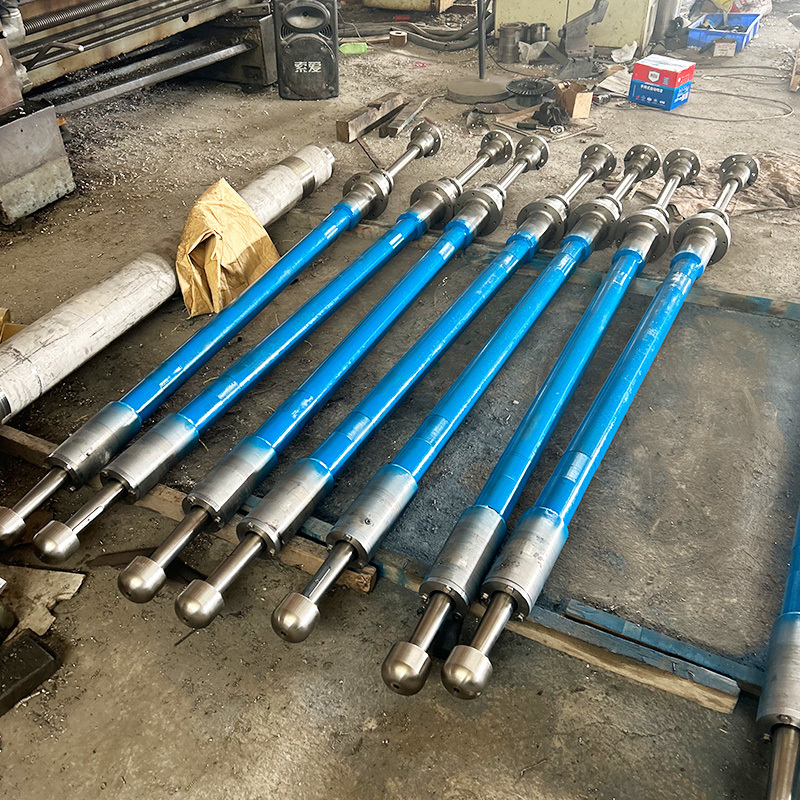
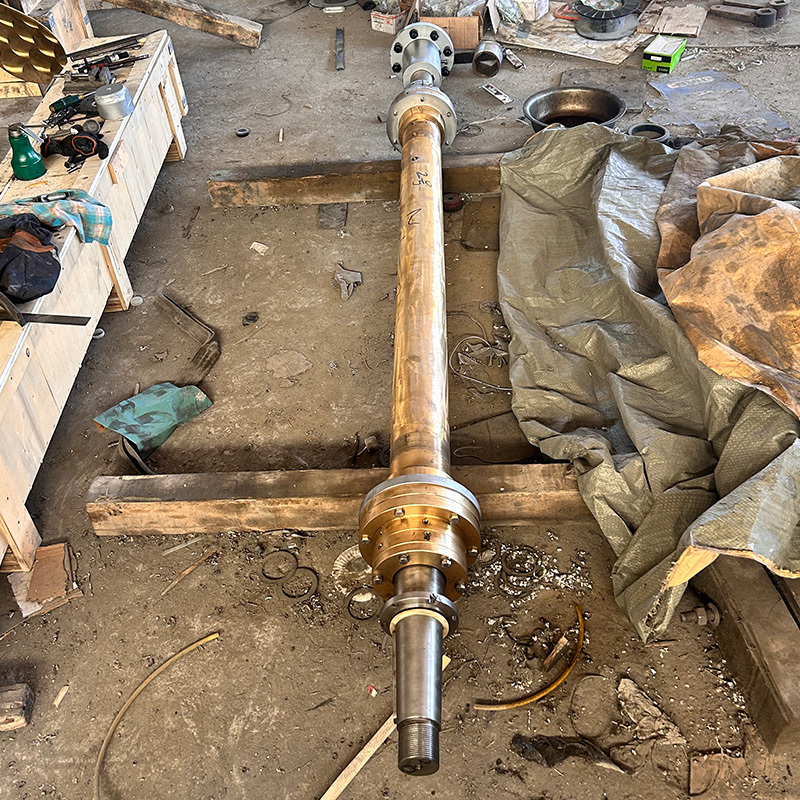
Primarily, rudder bearings are designed to reduce friction between the rudder and the hull. By serving as a supportive interface, they allow the rudder to move freely while providing stability. The bearings can be made from various materials, including bronze, plastic, or composite materials, each offering distinct advantages in terms of durability, resistance to corrosion, and maintenance requirements.
In terms of functionality, the rudder bearing’s design must accommodate the dynamic forces exerted on the rudder during operation. These forces can vary significantly depending on the size of the vessel, its speed, and environmental conditions such as currents and wind. Therefore, selecting the appropriate type and size of rudder bearing is critical for ensuring reliable and effective steering.
Regular maintenance of rudder bearings is paramount to prevent wear and tear that can lead to performance issues. Professionals should routinely check for signs of damage, corrosion, or excessive play within the bearing. Early detection of potential problems can save considerable costs associated with repairs or replacements down the line. Proper lubrication is also essential to minimize friction and prolong the life of the bearings, ensuring optimal functionality.
Moreover, advancements in technology have led to the development of specialized rudder bearings that offer enhanced performance. Innovations such as self-lubricating bearings or bearings with advanced sealing systems can significantly reduce maintenance requirements and improve operational efficiency.
When considering rudder bearings, it's also essential to take into account the overall design of the vessel. The integration of rudder bearings with other steering components, such as hydraulic systems or electronic controls, can affect their performance. A holistic approach to vessel design can lead to improvements in maneuverability and fuel efficiency.
In conclusion, rudder bearings are more than just mechanical components; they are integral to the safe and efficient operation of marine vessels. Understanding their role, functionality, and maintenance practices is essential for professionals in the maritime industry. By prioritizing the selection and care of rudder bearings, vessel operators can enhance their performance and ensure smooth navigation in various water conditions.
Keywords:
More information


Jin Di
Tel:
Sales E-mail:
MESSAGE
*Note: Please be sure to fill in the information accurately and keep the communication open, we will get in touch with you as soon as possible