
The Essential Role of Rudder Blades in Maritime Navigation
Release Time:
Apr 20,2025
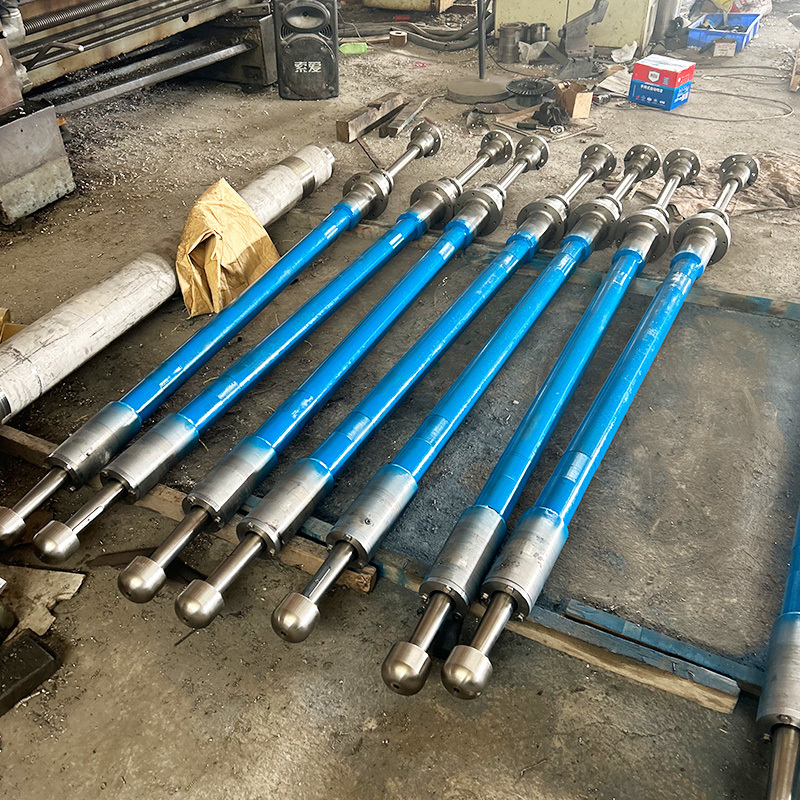
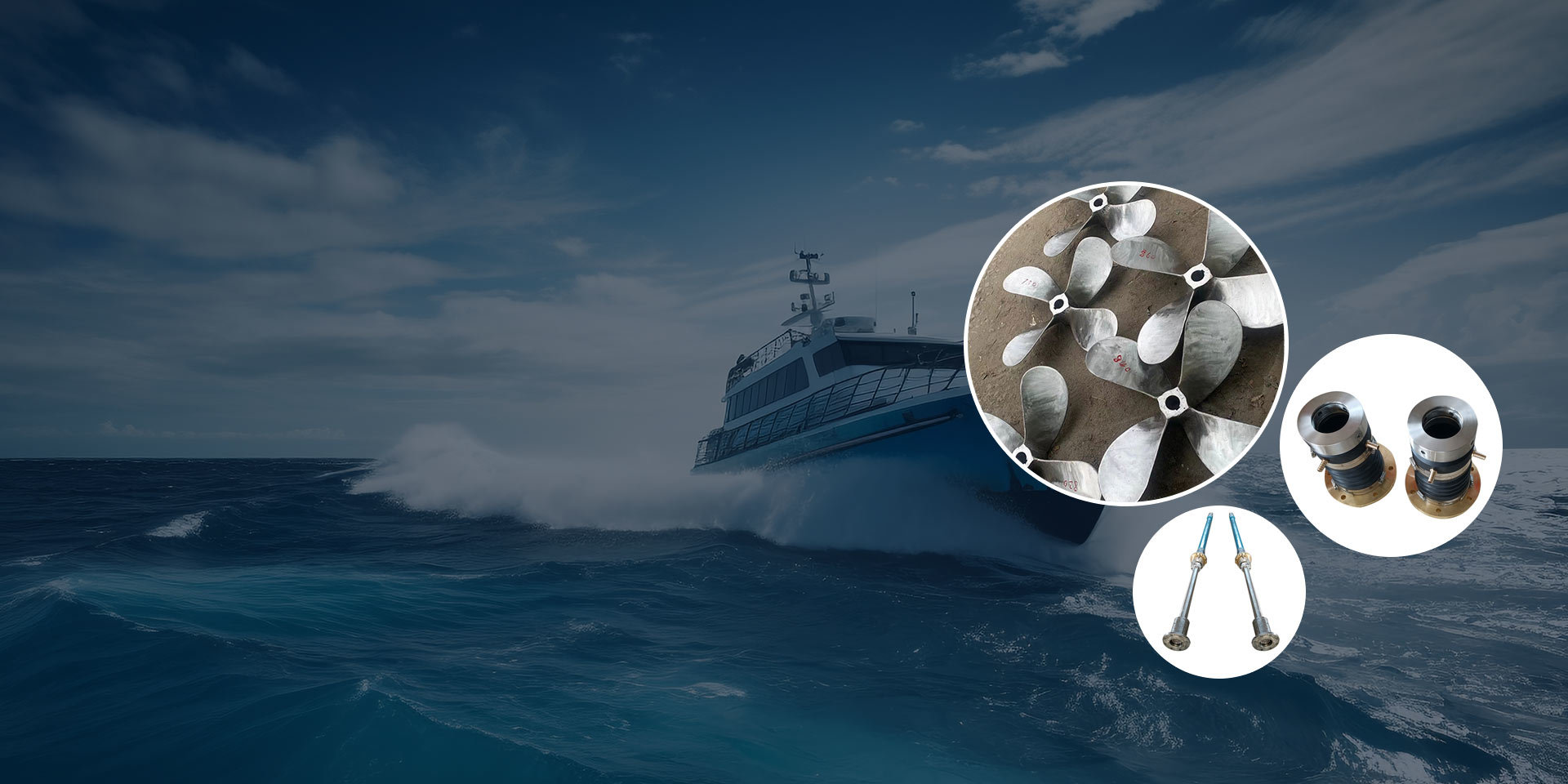
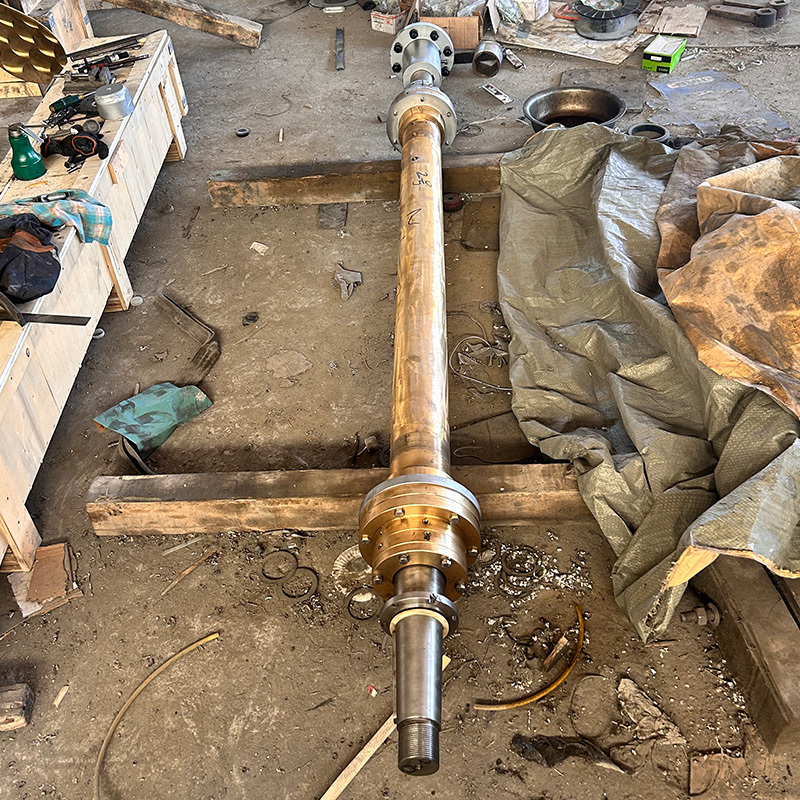
Rudder blades are fundamental components of a vessel's steering system, playing a vital role in maritime navigation. Positioned at the stern of a ship, these blades are designed to redirect water flow, allowing for precise control over the vessel's course. As the watercraft moves forward, the rudder blade pivots in response to the ship's steering mechanism, creating a force that turns the vessel.
Rudder blades are fundamental components of a vessel's steering system, playing a vital role in maritime navigation. Positioned at the stern of a ship, these blades are designed to redirect water flow, allowing for precise control over the vessel's course. As the watercraft moves forward, the rudder blade pivots in response to the ship's steering mechanism, creating a force that turns the vessel.
The effectiveness of a rudder blade is influenced by several factors, including its shape, size, and the overall design of the vessel. Generally, a larger rudder blade can provide greater maneuverability, especially in larger vessels or those operating in confined waters. However, it is essential to strike a balance, as an oversized rudder can create excessive drag, potentially slowing down the ship's speed.
Material selection also plays a crucial role in the performance of rudder blades. Traditionally constructed from steel or bronze, modern advancements have introduced composite materials that offer reduced weight without compromising strength. These innovations enhance the durability and corrosion resistance of rudder blades, making them suitable for various marine environments, including saltwater conditions.
In addition to enhancing steering capabilities, rudder blades contribute to the overall stability of a vessel. By ensuring effective control over directional movement, they reduce the risk of capsizing and improve the safety of onboard operations. This is particularly important in adverse weather conditions, where precise navigation can mean the difference between safe passage and potential disaster.
Maintenance of rudder blades is essential for optimal performance. Regular inspections can help identify wear and tear, particularly at the pivot points and along the blade's edges, where damage can lead to reduced efficiency. Addressing these issues promptly ensures that the rudder remains responsive and effective in steering the vessel.
Moreover, understanding the hydrodynamics surrounding rudder blades can provide valuable insights into enhancing vessel design. Engineers and naval architects often study the flow patterns around the blades to optimize their performance, leading to improved fuel efficiency and reduced operational costs.
In conclusion, rudder blades are indispensable components in the realm of maritime transportation. Their design and functionality directly impact a vessel's maneuverability, safety, and operational efficiency. By appreciating the significance of rudder blades, maritime professionals can make informed decisions that enhance the overall performance of their watercraft, ultimately contributing to safer and more efficient navigation on the seas.
Keywords:
More information


Jin Di
Tel:
Sales E-mail:
MESSAGE
*Note: Please be sure to fill in the information accurately and keep the communication open, we will get in touch with you as soon as possible