
What You Need to Know About Propeller Shaft Maintenance: A Comprehensive Guide
Release Time:
Apr 25,2025
What You Need to Know About Propeller Shaft Maintenance Table of Contents Introduction to Propeller Shaft Maintenance The Importance of Regular Maintenance Understanding Propeller Shaft Components Essential Maintenance Tips for Propeller Shafts Common Issues and How to Address Them Necessary Tools for Propeller Shaft Maintenance When to Seek Professional Assistance
What You Need to Know About Propeller Shaft Maintenance
Table of Contents
- Introduction to Propeller Shaft Maintenance
- The Importance of Regular Maintenance
- Understanding Propeller Shaft Components
- Essential Maintenance Tips for Propeller Shafts
- Common Issues and How to Address Them
- Necessary Tools for Propeller Shaft Maintenance
- When to Seek Professional Assistance
- Conclusion
- Frequently Asked Questions
Introduction to Propeller Shaft Maintenance
In the maritime industry, **propeller shafts** are crucial components that enable vessels to navigate efficiently. Proper maintenance of these shafts is essential to ensure not only the **smooth operation** of the vessel but also the safety of the crew and cargo. This guide delves into everything you need to know about **propeller shaft maintenance**, including the importance of regular upkeep, essential tips, and common issues that may arise.
The Importance of Regular Maintenance
Maintaining a **propeller shaft** extends its lifespan, enhances fuel efficiency, and reduces the likelihood of mechanical failures. Regular maintenance helps in:
- **Preventing corrosion**: Saltwater can lead to corrosion if not properly addressed.
- **Reducing vibration**: Imbalances can cause increased wear and tear on the shaft and other connected components.
- **Enhancing performance**: A well-maintained propeller shaft translates to improved vessel speed and maneuverability.
- **Ensuring safety**: Regular checks reduce the risk of catastrophic failures, which can be dangerous at sea.
Understanding these aspects highlights the necessity of a **proactive maintenance approach** to ensure longevity and optimal performance.
Understanding Propeller Shaft Components
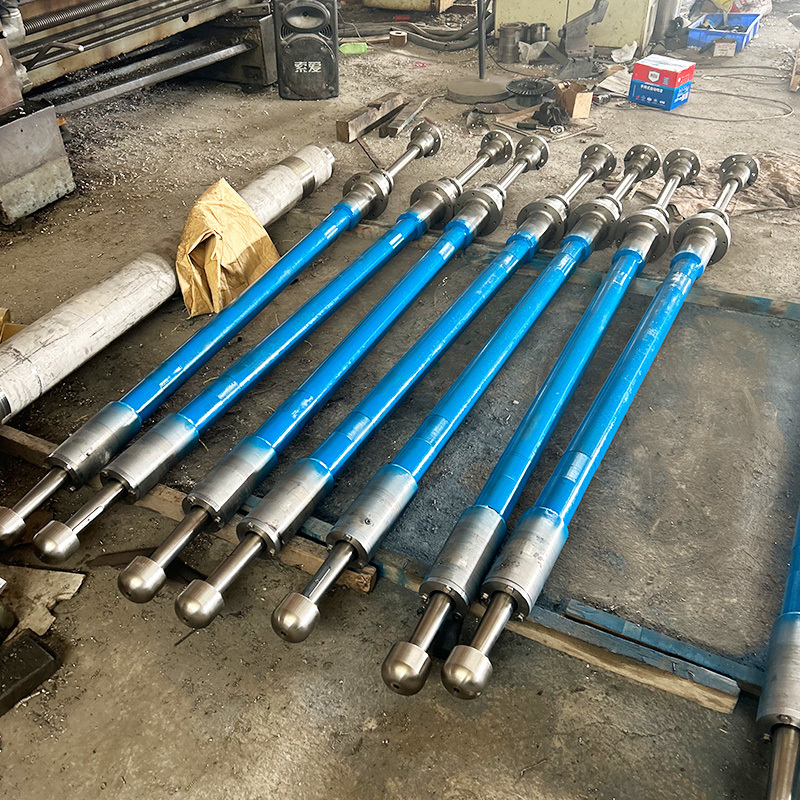
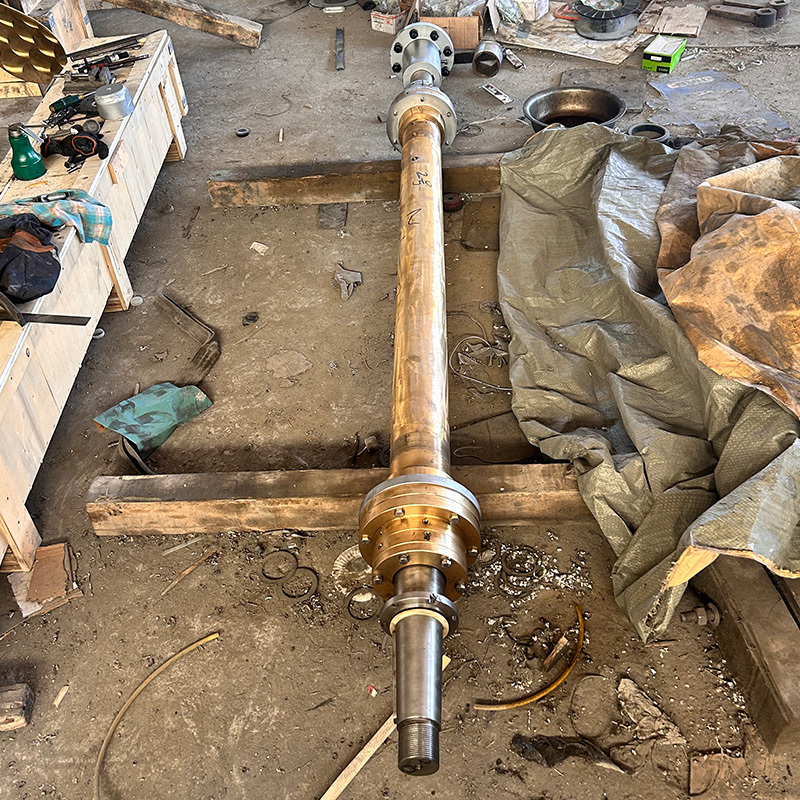
To effectively maintain a propeller shaft, it is essential to understand its components. The primary parts include:
- **Shaft**: The main body that transmits power from the engine to the propeller.
- **Coupling**: Connects the shaft to the engine and ensures power transfer.
- **Bearing**: Supports the shaft and reduces friction during rotation.
- **Propeller**: Converts rotational energy into thrust.
- **Seals**: Prevent leaks and protect against water ingress.
Familiarity with these components allows for targeted maintenance efforts, addressing specific areas that require attention.
Essential Maintenance Tips for Propeller Shafts
Regular maintenance tasks should be incorporated into a vessel's routine. Here are some essential tips:
1. Conduct Routine Inspections
Regular visual inspections of the propeller shaft and its components can identify issues before they escalate. Look for signs of wear, corrosion, or misalignment.
2. Clean the Shafts Regularly
Debris and marine growth can accumulate on the shaft, adversely affecting its function. Use a suitable cleaning solution to remove any build-up, ensuring a clean surface.
3. Monitor Alignment
Misalignment can cause unnecessary vibration and wear. Utilizing alignment tools and techniques ensures that the shaft is correctly positioned.
4. Lubricate Bearings and Seals
Proper lubrication reduces friction and wear on bearings and seals. Use the manufacturer-recommended lubricant and replace seals as necessary to prevent leaks.
5. Check Fasteners
Ensure that all bolts and fasteners are secure. Vibration can cause them to loosen over time, leading to potential failure.
Common Issues and How to Address Them
Understanding common issues that may arise with propeller shafts helps in effective troubleshooting. Some prevalent problems include:
1. Corrosion
**Corrosion** is a significant issue, especially in saltwater environments. Regular cleaning and the application of protective coatings can mitigate this risk.
2. Vibration
Excessive vibration can indicate misalignment or imbalance. Use a dial indicator or laser alignment tool to assess and correct alignment issues.
3. Overheating
Overheating may result from inadequate lubrication or bearing failure. Regular lubrication checks and bearing inspections can prevent this problem.
4. Bearing Failure
Signs of bearing failure include unusual noises and excessive play. Regular monitoring and timely lubrication can significantly reduce the risk of bearing issues.
Necessary Tools for Propeller Shaft Maintenance
Maintaining a propeller shaft requires specific tools to ensure comprehensive care. Essential tools include:
- Wrenches and sockets for securing fasteners.
- Lubrication guns for applying grease effectively.
- Aligner tools to check the alignment of the shaft.
- Cleaning brushes and marine-grade cleaning solutions.
- Dial indicators for measuring shaft runout.
Having the right tools on hand ensures that maintenance tasks can be performed efficiently and effectively.
When to Seek Professional Assistance
While many maintenance tasks can be performed by vessel operators, certain situations may necessitate professional help. Consider seeking professional assistance if:
- You encounter persistent vibration issues.
- You notice significant corrosion or wear that requires specialized treatment.
- You lack the equipment or expertise for advanced alignment procedures.
- You are unsure about proper lubrication techniques or materials.
Professional technicians have the experience and tools to address complex problems, ensuring your propeller shaft remains in optimal condition.
Conclusion
Proper **propeller shaft maintenance** is vital for ensuring the safe and efficient operation of maritime vessels. By understanding the components, implementing routine inspections, and addressing common issues, vessel operators can prolong the lifespan of their propeller shafts and enhance overall performance. Regular maintenance not only ensures safety but also contributes to fuel efficiency and operational reliability. Whether performing routine checks or seeking professional assistance, staying proactive with maintenance practices safeguards your investment in maritime equipment.
Frequently Asked Questions
1. How often should I inspect my propeller shaft?
Regular inspections should occur at least once a month, with more frequent checks recommended during heavy usage periods.
2. What are the symptoms of a failing propeller shaft?
Symptoms include excessive vibration, unusual noises, and visible wear or damage to components.
3. Can I perform propeller shaft maintenance myself?
Many routine maintenance tasks can be performed by vessel operators; however, complex issues may require professional assistance.
4. How can I prevent corrosion on my propeller shaft?
Regular cleaning and applying protective coatings can significantly reduce the risk of corrosion.
5. What type of lubricant is best for propeller shaft bearings?
Always refer to the manufacturer's recommendations for the specific type of lubricant suitable for your propeller shaft's bearings.
Keywords:
More information


Jin Di
Tel:
Sales E-mail:
MESSAGE
*Note: Please be sure to fill in the information accurately and keep the communication open, we will get in touch with you as soon as possible