
The Advantages of Upgrading to Stainless Steel Propellers: Enhancing Performance and Durability
Release Time:
May 15,2025
The Advantages of Upgrading to Stainless Steel Propellers In the world of marine transportation, the choice of propeller can significantly affect a vessel's performance and longevity. Upgrading to stainless steel propellers has become a popular choice among boat enthusiasts and professional mariners alike. This article explores the numerous advantages of making this upgrade, addressing both the
The Advantages of Upgrading to Stainless Steel Propellers
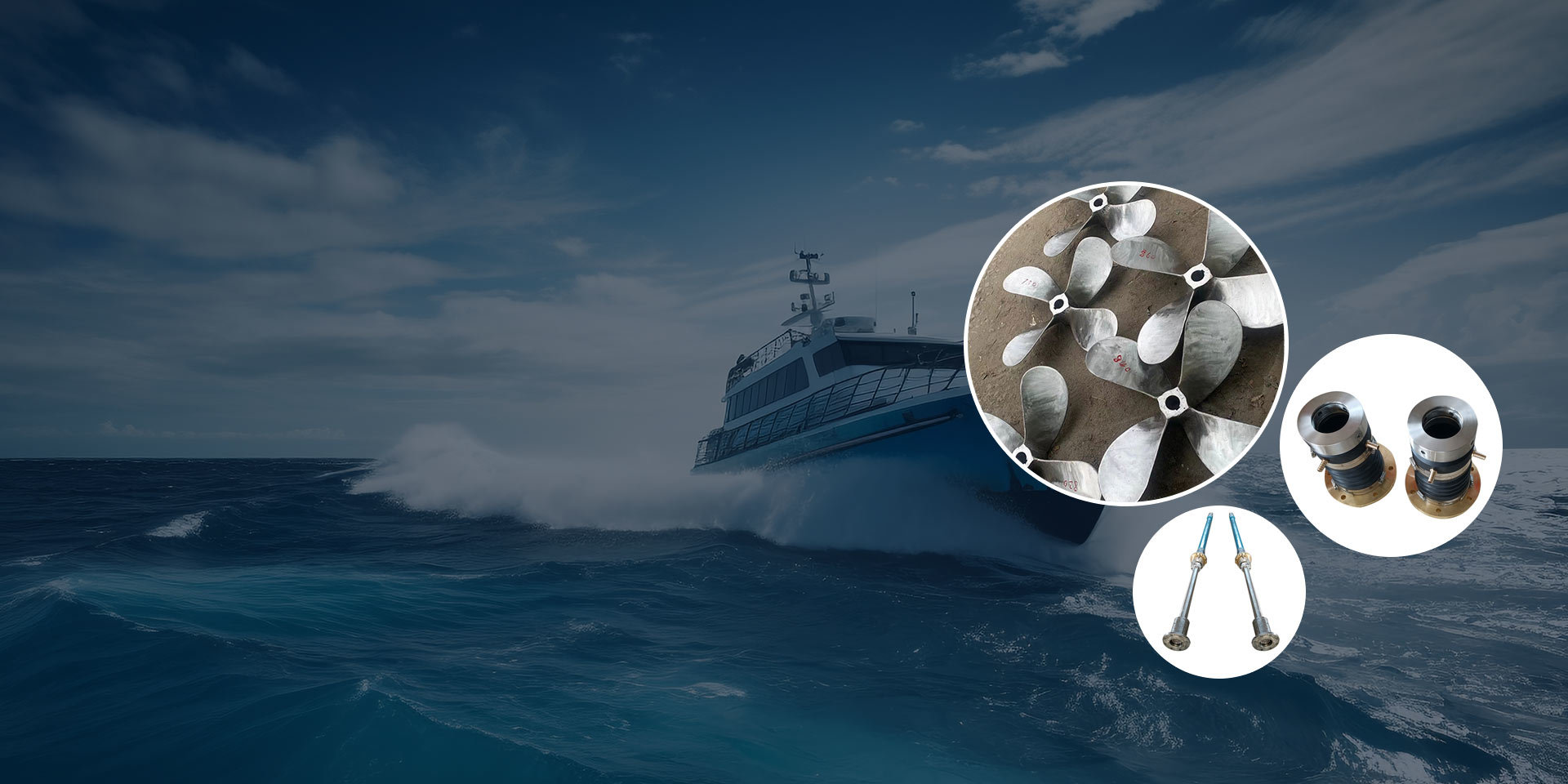
In the world of marine transportation, the choice of propeller can significantly affect a vessel's performance and longevity. Upgrading to stainless steel propellers has become a popular choice among boat enthusiasts and professional mariners alike. This article explores the numerous advantages of making this upgrade, addressing both the technical benefits and the overall impact on your boating experience. Whether you are a casual boater or a commercial operator, understanding these benefits is essential for optimizing your vessel's efficiency and durability.
Table of Contents
- What Are Stainless Steel Propellers?
- Key Benefits of Stainless Steel Propellers
- Enhanced Performance and Efficiency
- Durability and Lifespan: A Wise Investment
- Corrosion Resistance: The Ultimate Protection
- Weight and Design Advantages
- Common Myths About Stainless Steel Propellers
- Frequently Asked Questions
- Conclusion
What Are Stainless Steel Propellers?
Stainless steel propellers are crafted from a high-grade alloy that provides a range of benefits over traditional aluminum and plastic propellers. The choice of material is crucial for any vessel's propulsion system, as it directly influences performance, durability, and maintenance. Stainless steel propellers are designed for various applications, including recreational boats, commercial vessels, and high-performance watercraft.
Key Benefits of Stainless Steel Propellers
Upgrading to stainless steel propellers offers several key advantages that enhance both performance and durability. The benefits can be categorized into several areas, which we will explore in detail below.
Enhanced Performance and Efficiency
One of the primary reasons boaters upgrade to stainless steel propellers is the significant improvement in performance. Stainless steel propellers are engineered to provide better thrust and maneuverability than their aluminum counterparts. This enhancement is due to the material's rigidity and design flexibility, which allows for a more efficient blade shape.
With stainless steel propellers, vessels experience:
- Improved acceleration: Higher blade efficiency translates to faster speeds and quicker acceleration, allowing for a better overall boating experience.
- Better fuel efficiency: The enhanced design of stainless steel propellers can lead to reduced fuel consumption, saving money over time.
- Optimal handling: Stainless steel propellers provide superior grip in the water, enhancing handling and responsiveness during maneuvers.
Durability and Lifespan: A Wise Investment
Durability is a significant consideration when choosing a propeller. Stainless steel propellers are far more resilient than aluminum or plastic options. They can withstand tougher marine environments, including rough waters and debris-filled conditions.
Investing in stainless steel propellers means:
- Extended lifespan: With proper care, stainless steel propellers can last for many years, reducing the need for frequent replacements.
- Less wear and tear: The robust construction minimizes the likelihood of dings, dents, or other damage, ensuring consistent performance.
- Higher resale value: A vessel equipped with stainless steel propellers often has a higher resale value due to the perceived quality and performance enhancements.
Corrosion Resistance: The Ultimate Protection
Corrosion is a significant concern for any vessel operating in saltwater. Stainless steel propellers offer superior resistance to corrosion compared to aluminum propellers. This resistance leads to lower maintenance costs and helps ensure that the propeller maintains its performance over time.
The corrosion-resistant properties of stainless steel include:
- Resistance to saltwater: Stainless steel alloys are specifically formulated to resist the damaging effects of saltwater, extending the propeller's life.
- Less maintenance: The need for regular painting or protective coatings is minimized, simplifying vessel upkeep.
- Consistent performance: Corrosion can affect performance; with stainless steel, the risk is significantly reduced, ensuring optimal operation throughout the propeller's lifespan.
Weight and Design Advantages
While stainless steel propellers tend to be heavier than aluminum alternatives, this weight can be advantageous in terms of stability and performance. Additionally, the design versatility of stainless steel allows for the creation of more intricate blade shapes, optimizing the propeller's hydrodynamic efficiency.
Key design advantages include:
- Customizable shapes: Manufacturers can produce a variety of blade designs tailored to specific vessel needs, enhancing performance.
- Enhanced grip: The added weight can contribute to better grip in the water, especially during high-speed maneuvers.
- Improved balance: A well-balanced propeller reduces vibrations, contributing to a smoother ride and less wear on the engine.
Common Myths About Stainless Steel Propellers
Despite the numerous benefits, there are several myths surrounding stainless steel propellers that may deter some boaters from making the switch. We aim to debunk these myths and provide clarity on this upgrade.
- Myth 1: Stainless steel propellers are too expensive. While the initial investment is higher, the long-term savings in durability and maintenance often offset the cost.
- Myth 2: They are too heavy for smaller vessels. The weight can actually improve performance and stability, countering any concerns.
- Myth 3: Stainless steel propellers are prone to damage. In fact, they are more resistant to damage than aluminum propellers, making them a more reliable option.
Frequently Asked Questions
1. Are stainless steel propellers worth the investment?
Absolutely! The long-term benefits, including enhanced performance, durability, and reduced maintenance costs, make stainless steel propellers a wise investment for any vessel owner.
2. How do I maintain my stainless steel propeller?
Regular cleaning and inspections are essential. Ensure to remove any marine growth and inspect for signs of wear or damage. Periodic polishing can also help maintain its appearance and performance.
3. Can I use stainless steel propellers on any boat?
While stainless steel propellers can be used on many types of vessels, it's essential to consult with a marine professional to ensure compatibility with your specific boat and engine type.
4. Do stainless steel propellers improve fuel efficiency?
Yes, due to their design and material properties, stainless steel propellers can lead to better fuel efficiency, resulting in cost savings over time.
5. What size stainless steel propeller do I need?
The right size depends on your boat's specifications, including engine size and intended use. Consulting manufacturer guidelines or a marine expert will help you choose the correct size.
Conclusion
Upgrading to stainless steel propellers is a decision that brings a multitude of advantages, from enhanced performance and durability to improved fuel efficiency and corrosion resistance. The investment may require a higher initial cost, but the long-term benefits far outweigh this concern. Whether you are a recreational boater or involved in commercial operations, stainless steel propellers can significantly elevate your experience on the water. Embrace the advantages and make an informed choice that ensures your vessel's optimal performance for years to come.
Keywords:
More information
Jin Di
Tel:
Sales E-mail:
MESSAGE
*Note: Please be sure to fill in the information accurately and keep the communication open, we will get in touch with you as soon as possible