
Why Propeller Shaft Alignment is Crucial for Your Boat's Efficiency
Release Time:
May 19,2025
Why Propeller Shaft Alignment is Crucial for Your Boat's Efficiency Table of Contents Introduction to Propeller Shaft Alignment Understanding the Propeller Shaft The Importance of Propeller Shaft Alignment Consequences of Misalignment Signs Your Propeller Shaft is Misaligned Methods of Propeller Shaft Alignment Best Practices for Maintaining Alignment
Why Propeller Shaft Alignment is Crucial for Your Boat's Efficiency
Table of Contents
- Introduction to Propeller Shaft Alignment
- Understanding the Propeller Shaft
- The Importance of Propeller Shaft Alignment
- Consequences of Misalignment
- Signs Your Propeller Shaft is Misaligned
- Methods of Propeller Shaft Alignment
- Best Practices for Maintaining Alignment
- Frequently Asked Questions
- Conclusion
Introduction to Propeller Shaft Alignment
In the world of boating, efficiency is key. Whether you are a recreational sailor or a commercial vessel operator, achieving optimal performance is essential. One of the pivotal aspects of maintaining your boat’s efficiency lies in **propeller shaft alignment**. This intricate process ensures that the shaft connecting the engine to the propeller is perfectly aligned, which directly influences fuel consumption, overall performance, and the longevity of critical components.
Understanding the Propeller Shaft
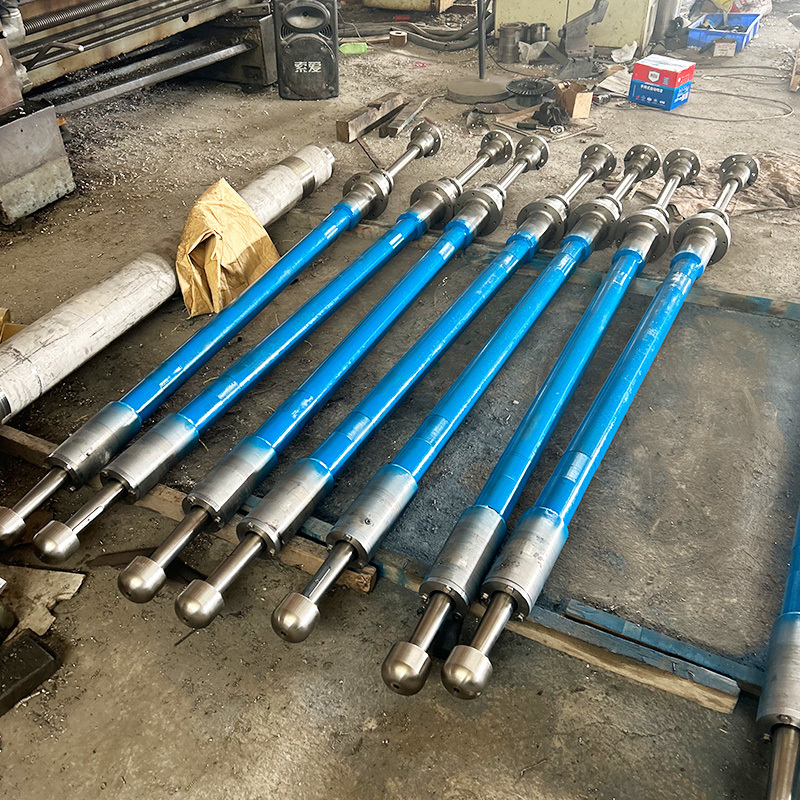
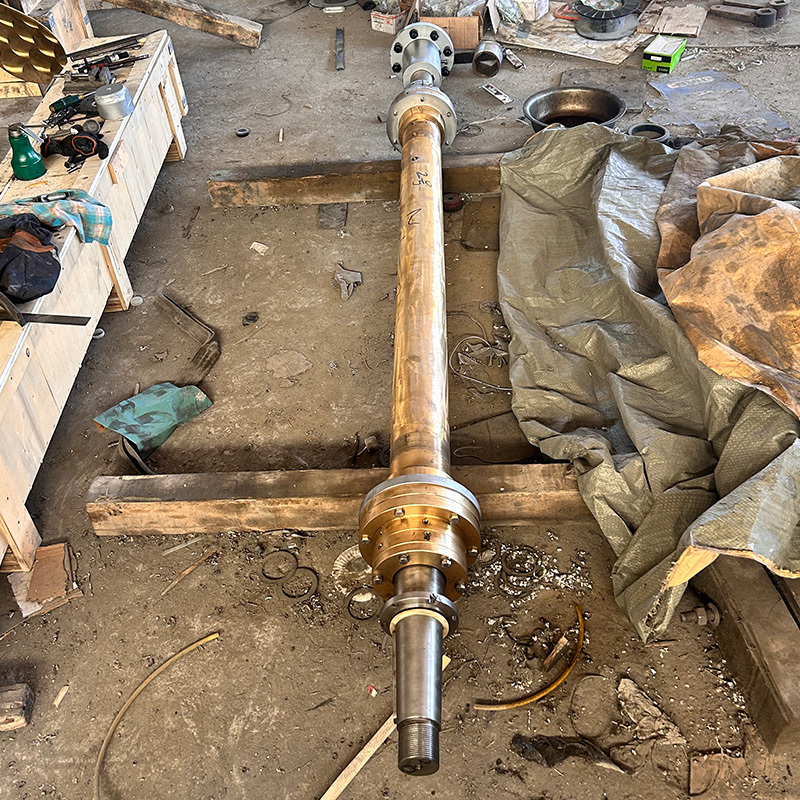
The propeller shaft is a crucial component of any marine vessel. It transfers power generated by the engine to the propeller, enabling your boat to move through the water. The propeller shaft consists of several parts, including the shaft itself, couplings, and bearings. Each component must function seamlessly to ensure smooth operation. When any part of the alignment process is disrupted, it can lead to inefficiencies that may affect not just performance but also safety.
The Importance of Propeller Shaft Alignment
Proper alignment of the propeller shaft is vital for several reasons:
1. Enhanced Fuel Efficiency
When the propeller shaft is correctly aligned, the engine runs more efficiently. This means that less energy is wasted, leading to reduced fuel consumption. A well-aligned shaft minimizes resistance and drag, allowing the boat to glide more smoothly through the water, ultimately saving you money at the pump.
2. Reduced Wear and Tear
Misalignment can lead to excessive vibration, which causes wear and tear on the engine, bearings, and other critical components. By ensuring proper alignment, you can extend the lifespan of your vessel’s mechanical parts, reducing maintenance costs and increasing reliability.
3. Improved Handling and Performance
A boat with a properly aligned propeller shaft responds better to steering and maneuvering. This translates to smoother navigation, better control, and an overall improved boating experience. Whether you are racing or cruising, optimal performance is essential.
4. Enhanced Safety
Misalignment can lead to catastrophic failures. In extreme cases, it can result in the complete loss of propulsion, leaving you vulnerable in open waters. By prioritizing proper alignment, you not only enhance performance but also bolster safety for you and your passengers.
Consequences of Misalignment
Neglecting the alignment of your propeller shaft can lead to significant issues:
1. Increased Fuel Costs
As mentioned, misalignment can lead to increased fuel consumption. This not only impacts your wallet but also contributes to higher emissions and a larger environmental footprint.
2. Mechanical Failures
The vibrations caused by misalignment can lead to premature failure of various components, including the engine and gearbox. Repairing or replacing these parts can be costly and time-consuming.
3. Reduced Performance
A misaligned propeller shaft can significantly reduce your boat's speed and overall performance. This can be particularly frustrating for competitive sailors or those relying on their vessels for commercial purposes.
4. Safety Hazards
Beyond the risk of mechanical failures, misalignment can also create safety hazards while navigating, especially in adverse weather conditions where control of the vessel is paramount.
Signs Your Propeller Shaft is Misaligned
Recognizing the early signs of misalignment can save you from more severe problems down the line. Here are several indicators to watch for:
1. Excessive Vibration
If you notice unusual vibrations while operating your boat, it’s a clear sign that something is amiss. This could indicate that your propeller shaft is misaligned.
2. Increased Noise Levels
Unusual noises, such as grinding or knocking sounds, often accompany misalignment. Pay attention to any new sounds that arise during operation.
3. Changes in Speed or Handling
If you find that your vessel is not responding as it typically would, or if it feels sluggish, misalignment may be the culprit.
4. Visible Damage to Components
Regular inspections can help you detect visible signs of wear on the propeller shaft, couplings, or other related parts. Look for cracks, bends, or other deformities.
Methods of Propeller Shaft Alignment
Achieving the proper alignment can be done using various methods. Here are some effective techniques:
1. Laser Alignment
Laser alignment is one of the most accurate methods available today. It utilizes laser beams to measure the alignment of the propeller shaft and makes necessary adjustments.
2. Dial Indicator Method
This traditional method involves using a dial indicator to measure the shaft's runout at various points along its length. While effective, it requires a skilled technician for best results.
3. Straight Edge Method
Using a straight edge can help determine if the shaft is level. It’s a more manual approach but can be effective for basic checks.
Best Practices for Maintaining Alignment
To ensure that your propeller shaft remains aligned over time, consider the following best practices:
1. Regular Inspections
Schedule routine inspections of your propeller shaft and its components. Catching potential issues early can save you from costly repairs later.
2. Professional Alignment Services
Whenever possible, seek professional alignment services. Experienced technicians have the tools and expertise to ensure proper alignment.
3. Avoid Overloading
Be mindful of your boat’s weight limit. Overloading can lead to stress on the propeller shaft and increase the risk of misalignment.
4. Maintain Engine Health
Regular maintenance of your engine can also help maintain the alignment of the propeller shaft. A well-functioning engine is less likely to contribute to alignment issues.
Frequently Asked Questions
1. How often should I check my propeller shaft alignment?
It’s recommended to inspect your propeller shaft alignment at least once a season or after significant repairs.
2. Can I align the shaft myself?
While it’s possible to perform alignment checks on your own, professional assistance is recommended for precise adjustments.
3. What tools do I need for alignment?
Common tools include dial indicators, laser alignment equipment, and straight edges. Professional services often use advanced tools for accuracy.
4. What are the costs associated with alignment services?
Costs can vary depending on the method used and the complexity of the job. It’s best to get quotes from several service providers.
5. Can misalignment affect my boat's resale value?
Yes, potential buyers may be concerned about a boat’s maintenance history, including issues related to propeller shaft alignment.
Conclusion
In summary, **propeller shaft alignment** is a critical factor in ensuring your boat operates efficiently and safely. By understanding the importance of alignment, recognizing the signs of misalignment, and adhering to best practices, you can significantly enhance your boating experience. Whether you are cruising for leisure or operating a commercial vessel, prioritizing proper alignment will not only save you money but also ensure a smoother, safer journey on the water. Taking the time to maintain your propeller shaft alignment is an investment in your boat’s performance and longevity.
Keywords:
More information


Jin Di
Tel:
Sales E-mail:
MESSAGE
*Note: Please be sure to fill in the information accurately and keep the communication open, we will get in touch with you as soon as possible