
How Water-Lubricated Bearings Revolutionize Sustainability in Industrial Applications
Release Time:
May 23,2025
How Water-Lubricated Bearings Revolutionize Sustainability in Industrial Applications Table of Contents 1. Introduction to Water-Lubricated Bearings 2. The Importance of Sustainability in Industry 3. Overview of Water-Lubricated Bearing Technology 3.1 Composition and Design 3.2 Mechanism of Action 4. Key Benefits of Water-Lubricated Bearings 4.1 Environmental Impact Reduction 4.2 Enhanced Operatio
How Water-Lubricated Bearings Revolutionize Sustainability in Industrial Applications
Table of Contents
1. Introduction to Water-Lubricated Bearings
2. The Importance of Sustainability in Industry
3. Overview of Water-Lubricated Bearing Technology
3.1 Composition and Design
3.2 Mechanism of Action
4. Key Benefits of Water-Lubricated Bearings
4.1 Environmental Impact Reduction
4.2 Enhanced Operational Efficiency
4.3 Cost-Effectiveness
5. Applications of Water-Lubricated Bearings in Various Industries
5.1 Marine Industry
5.2 Renewable Energy Sector
5.3 Food and Beverage Manufacturing
6. Challenges and Considerations
6.1 Performance Limitations
6.2 Maintenance Requirements
7. Future Trends in Water-Lubricated Bearing Technology
8. Conclusion
9. Frequently Asked Questions (FAQs)
1. Introduction to Water-Lubricated Bearings
Water-lubricated bearings are a groundbreaking innovation in the landscape of industrial machinery. These bearings utilize water as a lubricant instead of traditional oils or greases, marking a significant shift towards environmentally friendly practices. Their application spans various industries, offering a sustainable alternative that not only ensures performance but also aligns with the growing demand for green solutions.
2. The Importance of Sustainability in Industry
As the global community becomes increasingly aware of the environmental challenges we face, industries are under pressure to adopt sustainable practices. Sustainability in industry is no longer just a trend; it has become a necessity. Companies that prioritize eco-friendly solutions are not only contributing to the planet's well-being but also enjoying competitive advantages through cost savings and enhanced brand reputation.
3. Overview of Water-Lubricated Bearing Technology
Water-lubricated bearings differ fundamentally from traditional bearings. They rely on a water-based lubrication system, reducing reliance on petroleum-based products. This section will explore their composition, design, and how they function.
3.1 Composition and Design
Water-lubricated bearings typically consist of a sleeve made from materials such as rubber or polymers, which are designed to withstand the corrosive effects of water. The design allows for optimal fluid dynamics, ensuring the bearing operates seamlessly within the machinery.
3.2 Mechanism of Action
These bearings operate on the principle of hydrodynamic lubrication, where a film of water forms between the moving surfaces. This film not only reduces friction but also dissipates heat, prolonging the life of the components involved.
4. Key Benefits of Water-Lubricated Bearings
The transition to water-lubricated bearings offers numerous advantages for industries looking to enhance sustainability while maintaining efficiency.
4.1 Environmental Impact Reduction
One of the most significant benefits of water-lubricated bearings is their minimal environmental footprint. By eliminating the need for oil-based lubricants, industries can significantly reduce the risk of spills and contamination. This transition contributes to cleaner waterways and a healthier ecosystem.
4.2 Enhanced Operational Efficiency
Water-lubricated bearings not only reduce friction but also excel in high-load applications. Their ability to operate efficiently in various temperatures and conditions makes them suitable for demanding industrial environments.
4.3 Cost-Effectiveness
Although the initial investment in water-lubricated bearings may be higher than traditional options, the long-term savings are substantial. Reduced maintenance costs and longer lifespan translate into lower operational expenses over time.
5. Applications of Water-Lubricated Bearings in Various Industries
The versatility of water-lubricated bearings makes them applicable across numerous sectors.
5.1 Marine Industry
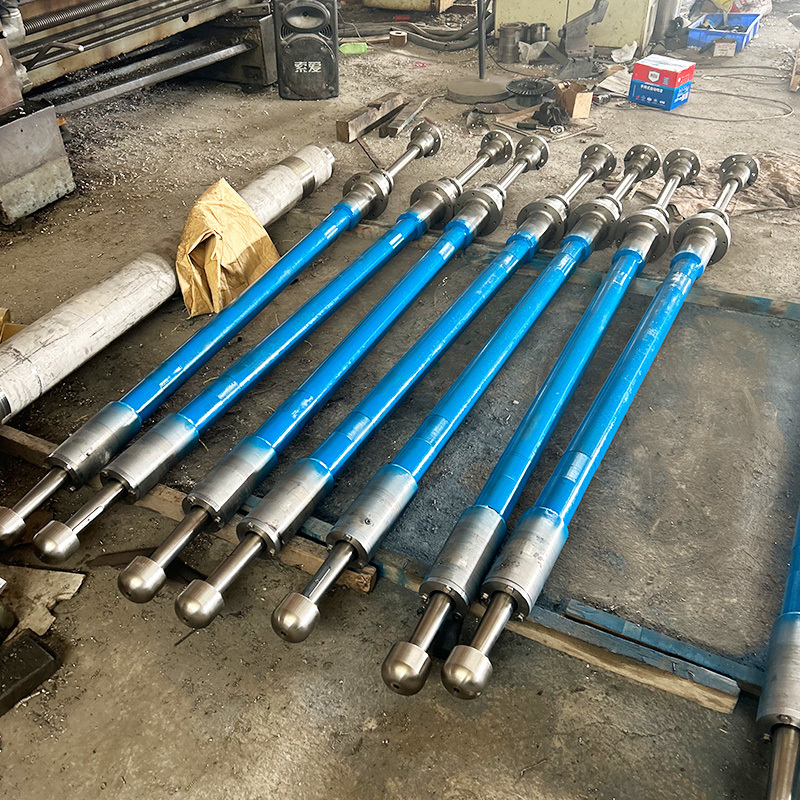
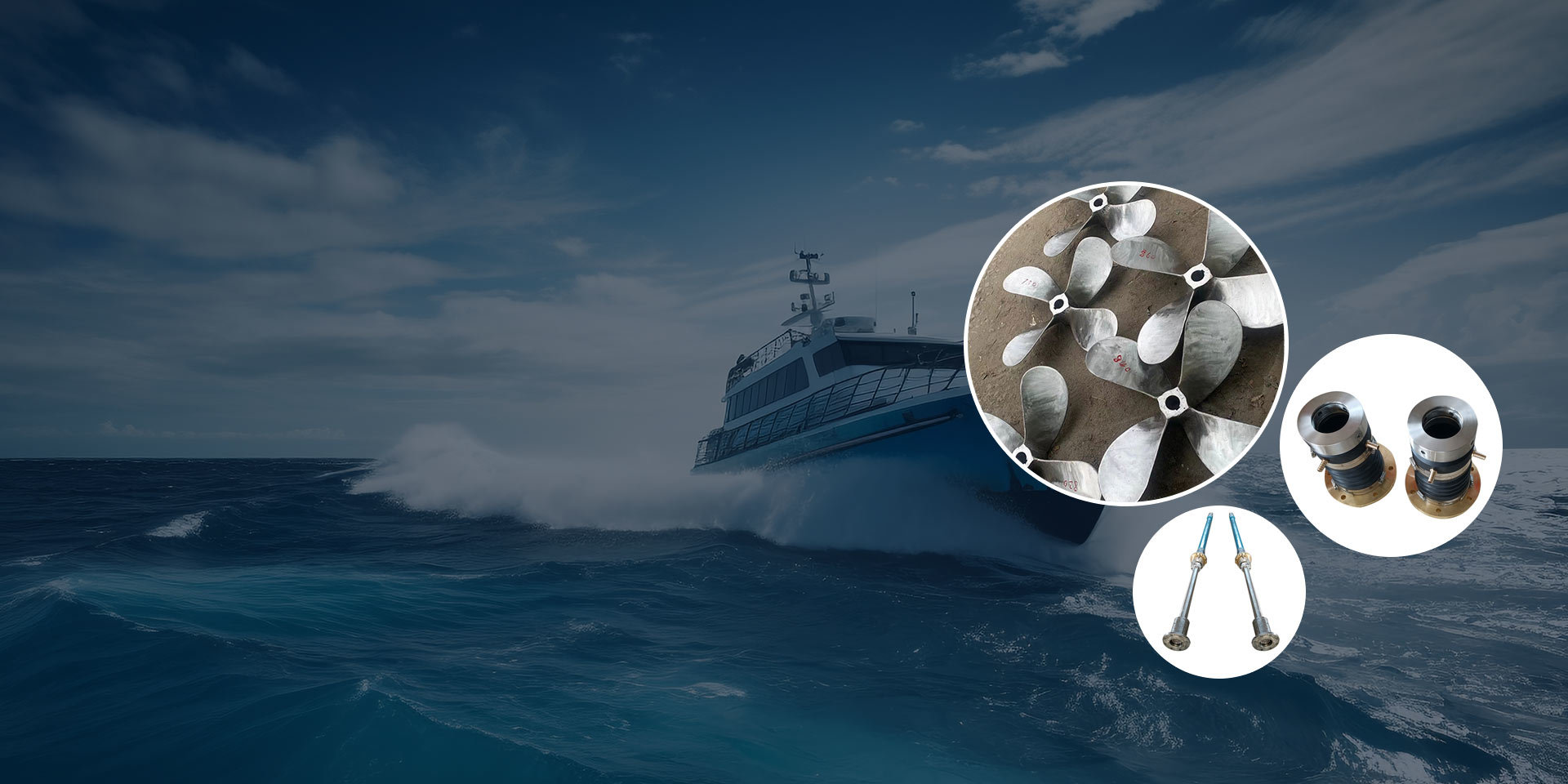
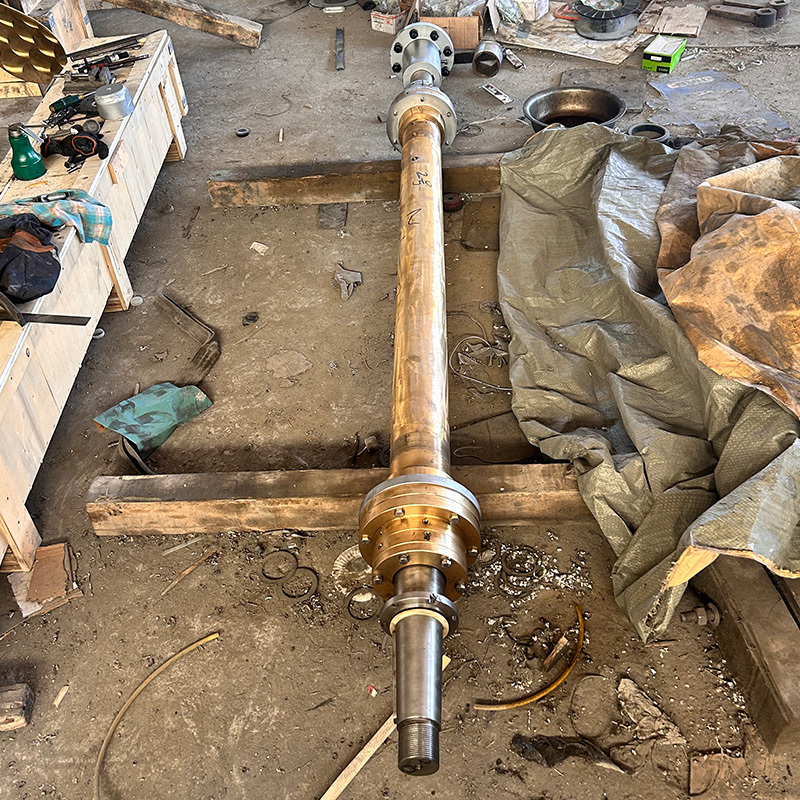
In the marine industry, these bearings are particularly advantageous due to their ability to operate effectively in seawater. They are widely used in ship propellers, pumps, and other critical components where traditional lubricants may fail.
5.2 Renewable Energy Sector
Water-lubricated bearings play a vital role in renewable energy, especially in wind turbines. Their ability to withstand harsh environments while maintaining performance is essential for the longevity and reliability of these energy sources.
5.3 Food and Beverage Manufacturing
In facilities where hygiene is paramount, such as food and beverage manufacturing, water-lubricated bearings offer a clean and safe alternative. They eliminate the risk of contamination associated with oil-based lubricants, ensuring compliance with health regulations.
6. Challenges and Considerations
While water-lubricated bearings present numerous benefits, there are challenges to consider.
6.1 Performance Limitations
Water-lubricated bearings may not perform optimally under extreme conditions or heavy loads compared to their oil-lubricated counterparts. Understanding the application's requirements is crucial for ensuring the right choice of bearing.
6.2 Maintenance Requirements
Although they are generally low-maintenance, water-lubricated bearings still require regular inspections to ensure optimal function. Users must be vigilant about checking for signs of wear and ensuring the lubrication system is functioning correctly.
7. Future Trends in Water-Lubricated Bearing Technology
As technology advances, we can expect significant improvements in water-lubricated bearings. Research is ongoing to enhance their materials and designs, making them even more efficient and suitable for demanding industrial applications.
8. Conclusion
Water-lubricated bearings represent a pivotal development in the push for sustainability within the industrial sector. Their ability to reduce environmental impact while improving efficiency and cost-effectiveness makes them an attractive option for companies looking to embrace innovative, eco-friendly practices. As industries evolve, the adoption of water-lubricated bearings will likely become a standard, paving the way for a more sustainable future.
9. Frequently Asked Questions (FAQs)
What are water-lubricated bearings?
Water-lubricated bearings utilize water as a lubricant instead of traditional oil or grease, promoting a more sustainable option for various industrial applications.
How do water-lubricated bearings work?
They operate by forming a hydrodynamic film of water between moving surfaces, which reduces friction and wear while dissipating heat.
What are the major advantages of using water-lubricated bearings?
Key advantages include reduced environmental impact, enhanced operational efficiency, and long-term cost savings.
In which industries are water-lubricated bearings commonly used?
They are widely used in the marine industry, renewable energy sector, and food and beverage manufacturing, among others.
Are there any limitations to water-lubricated bearings?
Yes, they may have performance limitations under extreme conditions, and regular maintenance is necessary to ensure optimal function.
Keywords:
More information
Jin Di
Tel:
Sales E-mail:
MESSAGE
*Note: Please be sure to fill in the information accurately and keep the communication open, we will get in touch with you as soon as possible