
Understanding Water-Lubricated Bearings: A Sustainable Solution for Industrial Applications
Release Time:
Aug 20,2025
Water-lubricated bearings are a unique and innovative solution in the realm of industrial equipment and components, particularly in applications where traditional lubricants may pose risks to the environment. Unlike conventional bearings that rely on oil or grease, water-lubricated bearings utilize water as a lubricant, providing a range of benefits that make them a compelling choice for various i
One of the most significant advantages of water-lubricated bearings is their environmental impact. Since they operate with water, there is a reduced risk of contaminating soil and water sources with harmful lubricants. This characteristic makes them especially suitable for applications in marine environments, wastewater treatment plants, and any facility where environmental stewardship is a priority.
In terms of performance, water-lubricated bearings can offer excellent load-carrying capabilities and can withstand extreme operating conditions. Their design allows for a continuous supply of water to the bearing surface, ensuring a consistent lubrication film that minimizes friction and wear. This can lead to an extended service life of the bearing, reducing the need for frequent replacements and maintenance.
Another key benefit of water-lubricated bearings is their ability to operate efficiently in a wide range of temperatures. They can handle both cold and hot environments, making them versatile for various applications. In addition, they tend to have lower thermal expansion rates compared to traditional bearings, which can enhance their reliability and performance.
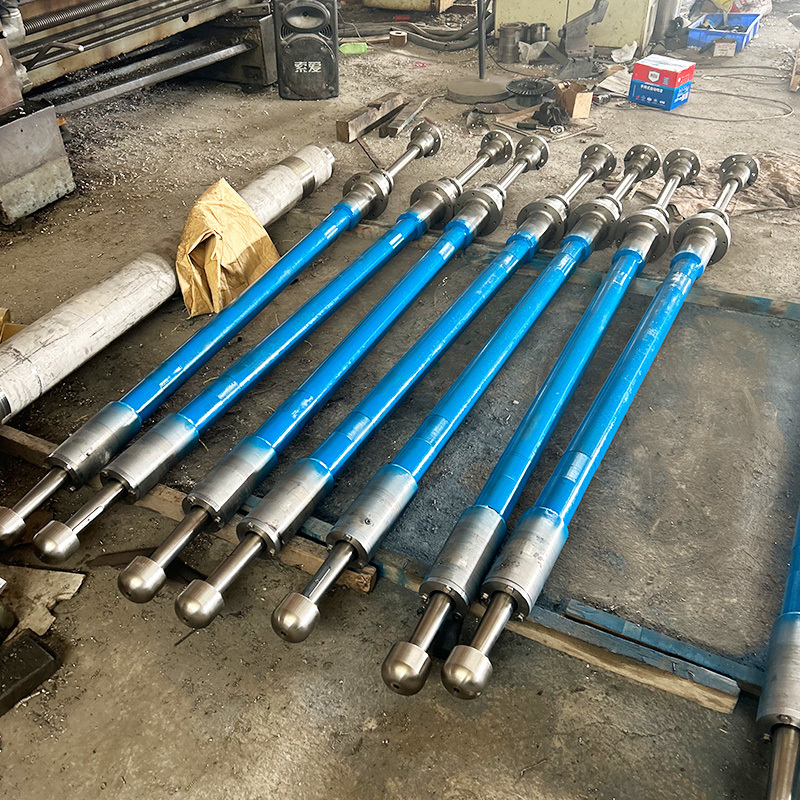
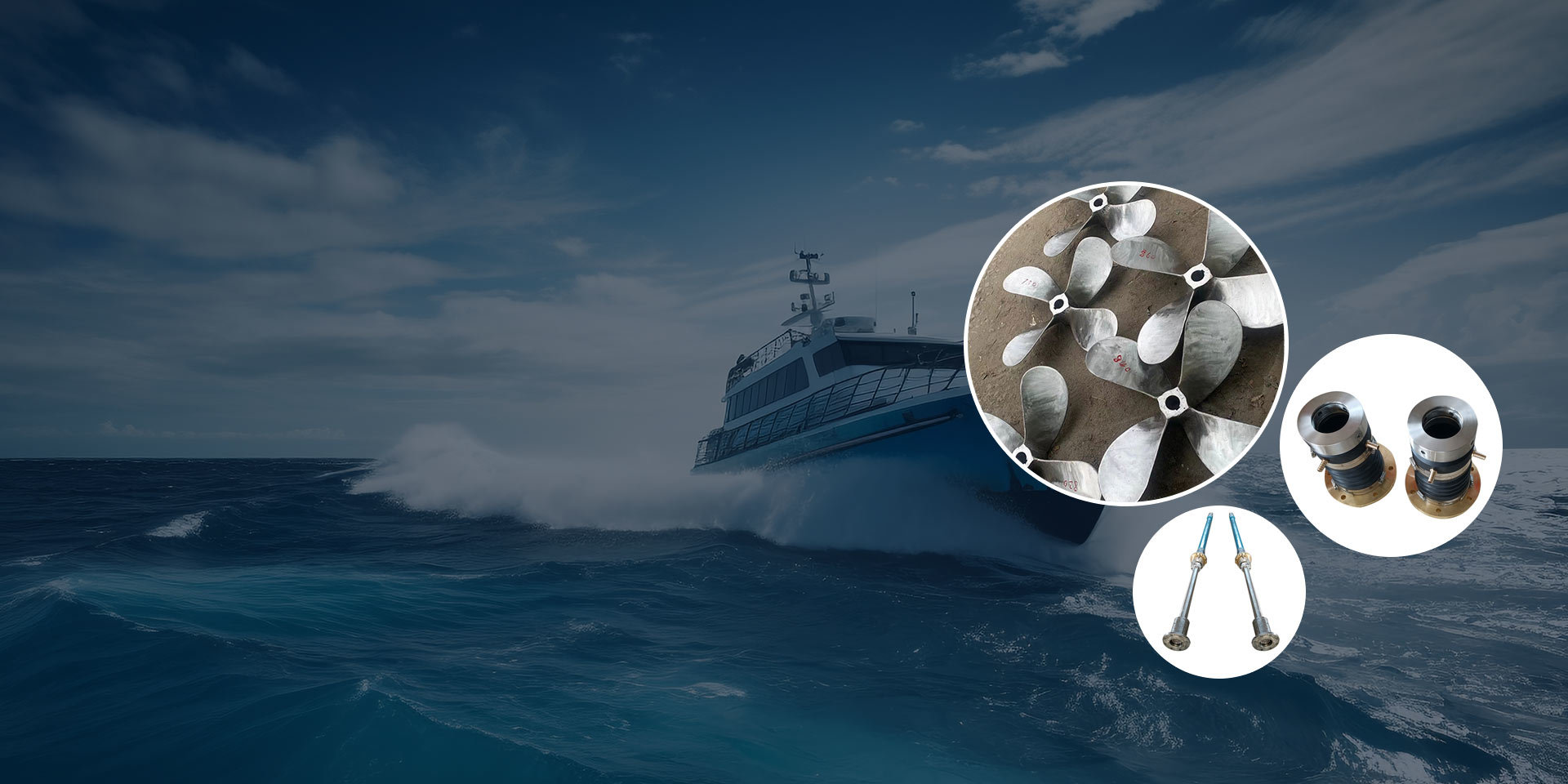
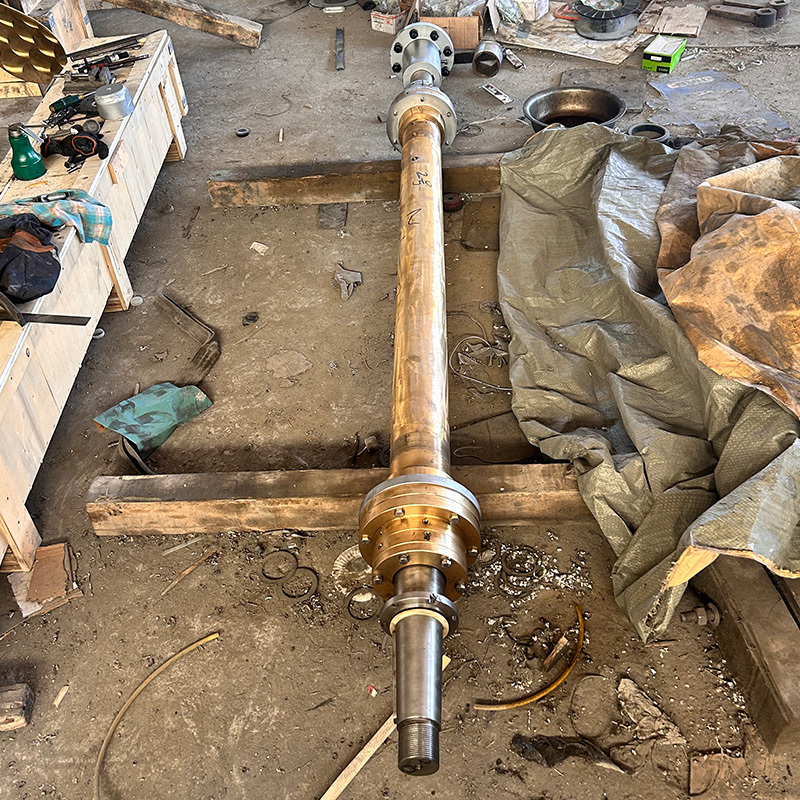
One common application of water-lubricated bearings is in pumps, where they can effectively support rotating shafts while being immersed in water. They are also widely used in ship propeller shafts, where their corrosion resistance and ability to handle high loads are crucial. Furthermore, these bearings are increasingly being utilized in the food and beverage industry, where cleanliness and environmental considerations are paramount.
It is important to note that while water-lubricated bearings have many advantages, they may not be suitable for every application. Factors such as load requirements, speed, and operating conditions should be carefully evaluated when considering this type of bearing. Consulting with industry experts can help determine the best options for specific needs.
In conclusion, water-lubricated bearings represent a sustainable and effective choice for various industrial applications. Their environmental benefits, excellent performance characteristics, and versatility make them an attractive option for companies looking to enhance their operational efficiency while minimizing their ecological footprint.
Keywords:
More information
Jin Di
Tel:
Sales E-mail:
MESSAGE
*Note: Please be sure to fill in the information accurately and keep the communication open, we will get in touch with you as soon as possible