
Exploring the Advantages of Water-Lubricated Seals in Marine Applications: A Comprehensive Guide
Release Time:
Aug 27,2025
Exploring the Advantages of Water-Lubricated Seals in Marine Applications Table of Contents 1. Introduction to Water-Lubricated Seals 2. What Are Water-Lubricated Seals? 3. Advantages of Water-Lubricated Seals 3.1 Environmental Benefits 3.2 Cost-Effectiveness and Maintenance 3.3 Performance and Reliability 4. Applications of Wa
Exploring the Advantages of Water-Lubricated Seals in Marine Applications
Table of Contents
- 1. Introduction to Water-Lubricated Seals
- 2. What Are Water-Lubricated Seals?
- 3. Advantages of Water-Lubricated Seals
- 4. Applications of Water-Lubricated Seals in the Marine Industry
- 5. Installation and Maintenance of Water-Lubricated Seals
- 6. Comparison with Other Sealing Options
- 7. The Future of Water-Lubricated Seals in Marine Applications
- 8. Frequently Asked Questions
- 9. Conclusion
1. Introduction to Water-Lubricated Seals
In the maritime industry, the imperative for reliability and efficiency drives innovation. Among the latest advancements are **water-lubricated seals**, which have emerged as a viable alternative to traditional sealing technologies. These seals utilize water as a lubricant, effectively reducing friction and wear in marine applications. As we delve deeper into the world of water-lubricated seals, we will uncover the multitude of benefits they offer, from improved environmental sustainability to enhanced operational performance.
2. What Are Water-Lubricated Seals?
Water-lubricated seals are specialized sealing solutions designed to operate in environments where water is readily available. Unlike conventional seals that rely on oil-based lubricants, these seals utilize water to create a lubrication layer between the moving parts. This innovation not only eliminates the need for hazardous oils but also provides a sustainable approach to sealing technologies in marine applications.
2.1 Composition and Design
The typical construction of a water-lubricated seal includes various materials such as elastomers or thermoplastics. These materials are engineered to withstand the corrosive effects of seawater while providing excellent wear resistance. The design of these seals facilitates a hydrodynamic lubrication regime, which reduces friction and enhances the longevity of the equipment.
3. Advantages of Water-Lubricated Seals
The adoption of water-lubricated seals in marine applications comes with several advantages that significantly improve operational efficiency and sustainability.
3.1 Environmental Benefits
One of the standout features of water-lubricated seals is their positive impact on the environment. By eliminating the need for oil-based lubricants, these seals help prevent oil spills and reduce pollution in marine environments. The use of water as a lubricant aligns with current global efforts to promote eco-friendly practices within the maritime industry. Additionally, the biodegradable nature of the materials used in these seals further enhances their environmental profile.
3.2 Cost-Effectiveness and Maintenance
Water-lubricated seals are not only environmentally friendly but also offer significant cost savings. The absence of oil reduces the expenses associated with procurement, storage, and disposal of lubricants. Moreover, the seals require minimal maintenance, which translates to lower operational costs. Regular inspection and monitoring are typically sufficient to ensure that they function optimally, eliminating the need for frequent replacements or repairs.
3.3 Performance and Reliability
When it comes to performance, water-lubricated seals deliver impressive results. They operate effectively across a range of temperatures and pressures, making them suitable for various marine applications. The hydrodynamic lubrication provided by water helps to reduce thermal buildup, ensuring that the seals maintain their integrity over time. This reliability is crucial for marine operations, where equipment failure can lead to significant downtime and costs.
4. Applications of Water-Lubricated Seals in the Marine Industry
Water-lubricated seals find applications across diverse areas in the marine industry. Some of the most notable uses include:
4.1 Propeller Shaft Seals
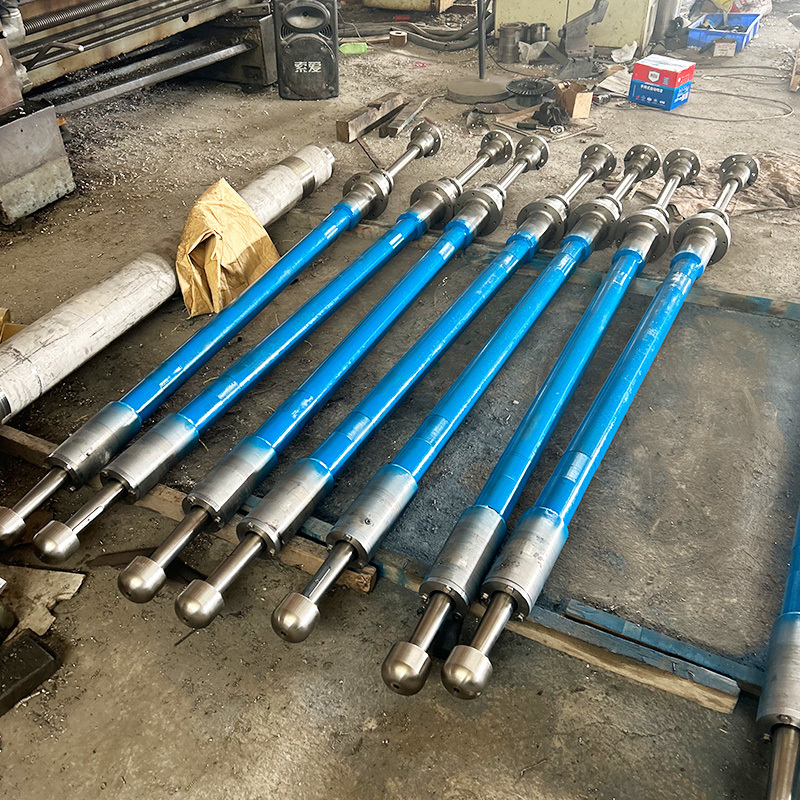
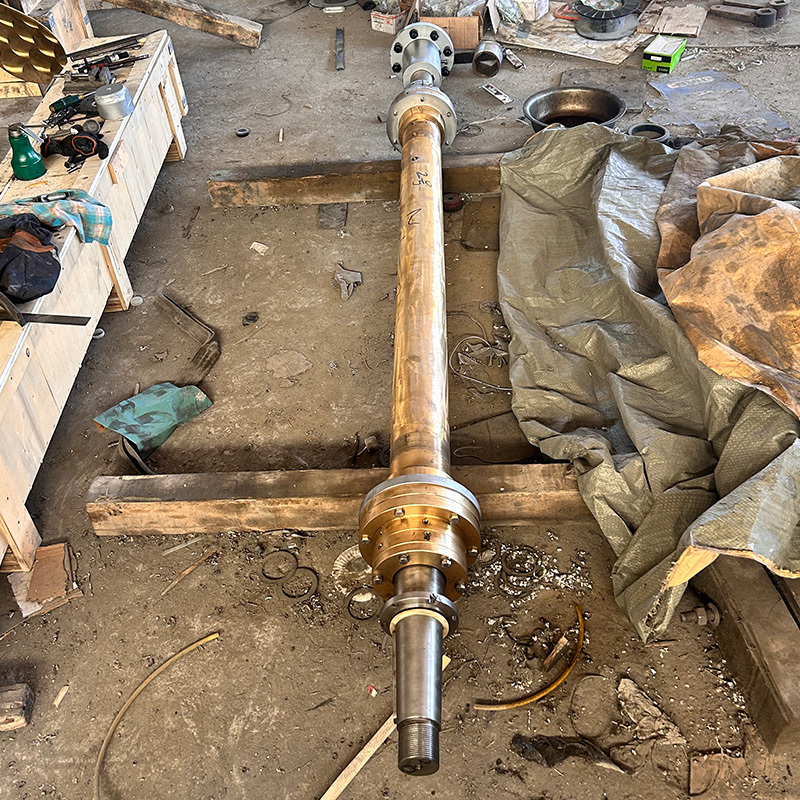
These seals are crucial for preventing water ingress into the vessel while ensuring smooth operation of the propeller shaft. Their use of water lubrication minimizes wear and tear, extending the lifespan of the shaft and related components.
4.2 Pump Seals
In various pumping applications, these seals help maintain hydraulic efficiency while preventing leaks. This feature is particularly important in ballast and bilge pumps, where water management is critical to vessel stability.
4.3 Thruster Seals
Water-lubricated seals are also utilized in thrusters, where they help facilitate maneuverability and control while reducing the risk of leakage and environmental contamination.
5. Installation and Maintenance of Water-Lubricated Seals
To maximize the benefits of water-lubricated seals, proper installation is essential. Here are key considerations for effective installation and maintenance:
5.1 Installation Guidelines
- Ensure compatibility of the seal with the specific marine application.
- Follow manufacturer guidelines for installation to avoid misalignment.
- Use appropriate tools and techniques to secure the seals without damaging them.
5.2 Maintenance Practices
- Regularly inspect seals for signs of wear or damage.
- Ensure that the water supply for lubrication is adequate and free from contaminants.
- Monitor operating conditions to prevent excessive thermal buildup.
6. Comparison with Other Sealing Options
When evaluating sealing technologies, it's important to compare water-lubricated seals with other options, such as oil-lubricated seals and mechanical seals.
6.1 Oil-Lubricated Seals
While oil-lubricated seals provide effective sealing solutions, they come with environmental concerns and higher maintenance costs. In contrast, water-lubricated seals offer a cleaner alternative that aligns with modern eco-conscious standards.
6.2 Mechanical Seals
Mechanical seals can provide excellent sealing performance; however, they may require complex installation and maintenance procedures. Water-lubricated seals simplify this process, making them a more accessible choice for marine applications.
7. The Future of Water-Lubricated Seals in Marine Applications
As the maritime industry continues to evolve, the demand for sustainable and efficient technologies is on the rise. Water-lubricated seals are positioned to play a significant role in this transformation. Innovations in materials and design will likely enhance their performance further, making them an even more attractive option for a range of marine applications.
8. Frequently Asked Questions
8.1 What are the main benefits of using water-lubricated seals?
The main benefits include reduced environmental impact, lower maintenance costs, and enhanced reliability and performance in marine applications.
8.2 How do water-lubricated seals compare to traditional seals?
Water-lubricated seals are generally more environmentally friendly, cost-effective, and easier to maintain than traditional oil-lubricated seals.
8.3 Are water-lubricated seals suitable for all marine applications?
While water-lubricated seals offer numerous advantages, their suitability depends on specific application requirements, including pressure and temperature conditions.
8.4 What maintenance practices are recommended for water-lubricated seals?
Regular inspections for wear, ensuring adequate water supply, and monitoring operating conditions are essential for maintaining water-lubricated seals.
8.5 Where can I find high-quality water-lubricated seals for my marine applications?
High-quality water-lubricated seals can be sourced from specialized marine equipment suppliers and manufacturers who focus on sustainable sealing solutions.
9. Conclusion
Water-lubricated seals are revolutionizing the marine industry, offering a sustainable and efficient sealing solution that meets the demands of modern maritime applications. Their numerous advantages, including environmental benefits, cost-effectiveness, and reliability, position them as a superior choice over traditional sealing options. As we look to the future, the continued development and adoption of water-lubricated seals will undoubtedly play a critical role in promoting innovation within the maritime sector, paving the way for a more sustainable and efficient industry.
Keywords:
More information
Jin Di
Tel:
Sales E-mail:
MESSAGE
*Note: Please be sure to fill in the information accurately and keep the communication open, we will get in touch with you as soon as possible