
How to Inspect Your Propeller Shaft for Optimal Performance
Release Time:
Oct 22,2025
How to Inspect Your Propeller Shaft for Optimal Performance Understanding the Role of the Propeller Shaft The **propeller shaft** plays a pivotal role in the performance of any marine vessel. It transmits power from the engine to the propeller, enabling the boat to move efficiently through water. Understanding its function helps in realizing why regular inspections are crucial. Why Regular Inspe
How to Inspect Your Propeller Shaft for Optimal Performance
Understanding the Role of the Propeller Shaft
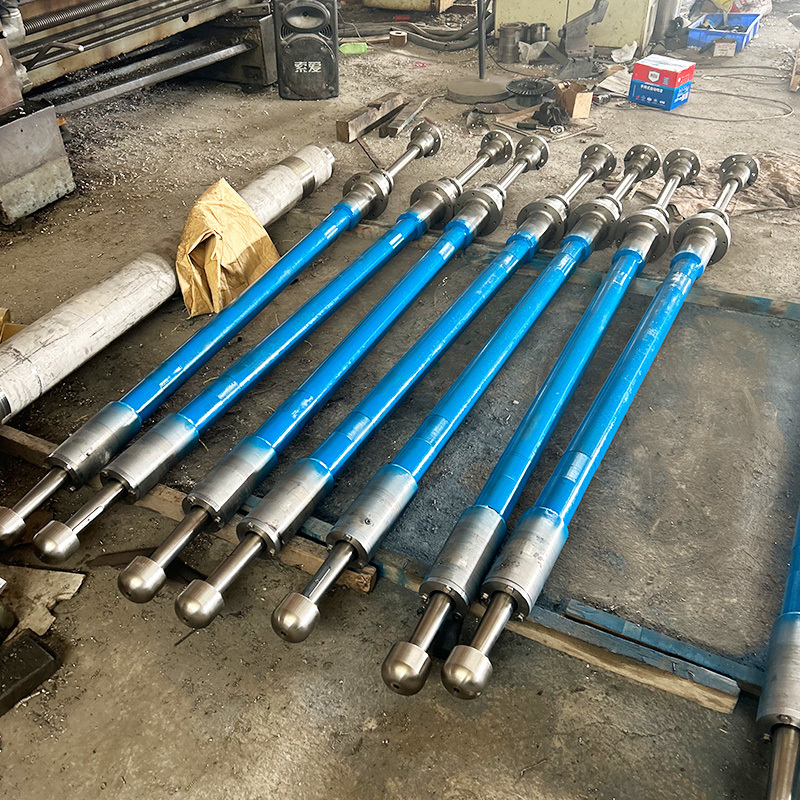
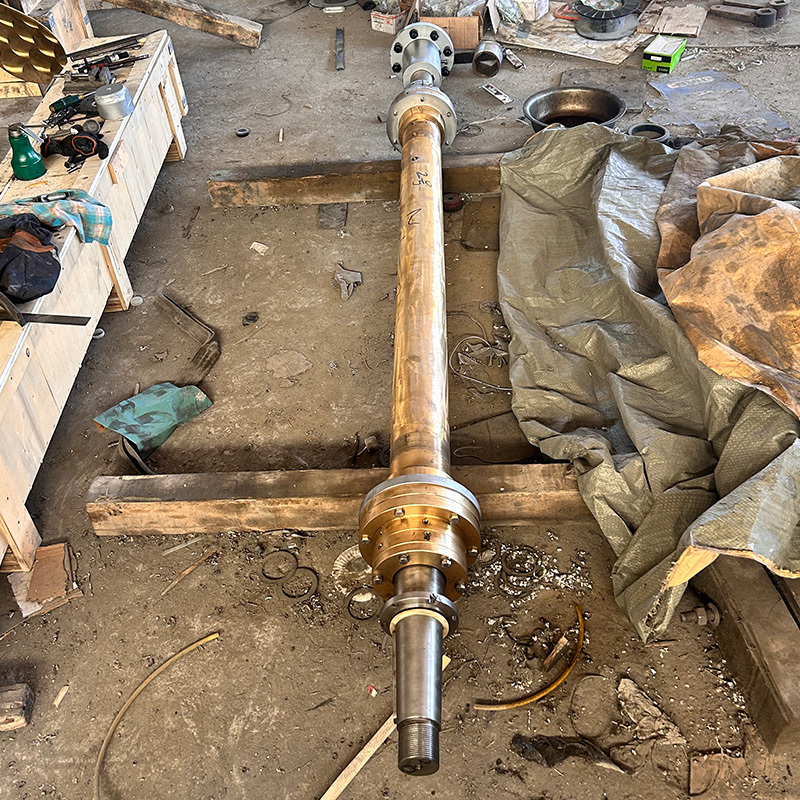
The **propeller shaft** plays a pivotal role in the performance of any marine vessel. It transmits power from the engine to the propeller, enabling the boat to move efficiently through water. Understanding its function helps in realizing why regular inspections are crucial.
Why Regular Inspections Matter
Regular inspections of the propeller shaft can prevent costly repairs and ensure the vessel operates at peak performance. Neglecting this critical component can lead to inefficiencies, potential failures, and increased fuel consumption.
Signs of Potential Issues with Your Propeller Shaft
Before diving into the inspection process, it is essential to know the common signs indicating that your propeller shaft may be due for an inspection:
1. Unusual Vibrations
If you notice excessive vibrations while operating your vessel, it could be a sign of misalignment or wear on the propeller shaft.
2. Increased Noise Levels
A loud or abnormal noise emanating from the stern can indicate that the propeller shaft is out of balance or damaged.
3. Changes in Performance
If your vessel is not achieving the expected speed or fuel efficiency, it may be time to inspect the propeller shaft for damage or misalignment.
Essential Tools for Inspecting Your Propeller Shaft
To conduct a thorough inspection, you’ll need a few essential tools:
- Visual Inspection Mirror
- Caliper or Micrometer
- Torque Wrench
- Vibration Analyzer
- Oil Analysis Kit
Step-by-Step Guide to Inspecting Your Propeller Shaft
Step 1: Prepare for the Inspection
Before beginning the inspection, ensure the vessel is secured and positioned safely. You should also wear appropriate safety gear to protect yourself during the process.
Step 2: Conduct a Visual Inspection
Start with a **visual inspection** of the propeller shaft. Look for any obvious signs of wear, cracks, or corrosion. Use the visual inspection mirror to check hard-to-see areas.
Step 3: Check for Misalignment
Misalignment can lead to excessive wear and vibration. Use a caliper or micrometer to measure the alignment between the propeller and the engine. If discrepancies are found, adjustments may be necessary.
Step 4: Assess the Condition of the Bearings
The bearings support the propeller shaft. Inspect them for wear or damage. If the bearings feel loose or see signs of rust or corrosion, they may need replacement.
Step 5: Analyze Vibration Levels
Using a vibration analyzer, assess the vibration levels during operation. Compare these levels to manufacturer specifications. High vibration levels may indicate issues that require further diagnosis.
Step 6: Monitor the Lubrication
Check the lubrication levels in the shaft assembly. Insufficient lubrication can lead to overheating and premature failure. If the oil appears contaminated, perform a complete oil change.
Advanced Inspection Techniques
In addition to the basic inspection methods, there are advanced techniques that can provide deeper insights into the condition of your propeller shaft.
1. Ultrasonic Testing
Ultrasonic testing can detect internal flaws in the shaft that are not visible through visual inspection. This method helps identify issues such as cracks or voids within the material.
2. Magnetic Particle Inspection
This non-destructive testing method can reveal surface and near-surface defects. It involves applying magnetic fields and fine iron particles to identify any inconsistencies.
3. Dye Penetrant Testing
Dye penetrant testing is used to identify surface-breaking defects in non-porous materials. A fluorescent dye is applied, and any cracks will show up under UV light.
Common Issues Found During Inspections
Being aware of common issues can help in taking proactive measures.
1. Corrosion
Corrosion can weaken the shaft and lead to failure. Regular inspections can help catch this issue early.
2. Wear on the Shaft
Over time, the propeller shaft can wear down due to friction and pressure. Regular measurements can help monitor wear rates.
3. Damage from Debris
Debris in the water can damage the shaft during operation. Inspect for any nicks or abrasions that may have occurred.
Best Practices for Maintaining Your Propeller Shaft
To ensure optimal performance, consider adopting these maintenance practices:
1. Regular Inspections
Schedule inspections at least once a season or more frequently if your vessel is used extensively.
2. Clean the Shaft Regularly
Keeping the propeller shaft clean from saltwater, debris, and marine growth can prevent corrosion and damage.
3. Ensure Proper Lubrication
Maintain consistent lubrication levels and use the right type of lubricant as recommended by the manufacturer.
Frequently Asked Questions (FAQs)
1. How often should I inspect my propeller shaft?
We recommend inspecting your propeller shaft at least once a season, or more frequently depending on usage.
2. What are the signs of a failing propeller shaft?
Common signs include unusual vibrations, increased noise levels, and changes in vessel performance.
3. Can I inspect the propeller shaft myself?
Yes, basic inspections can be performed by boat owners, but for advanced diagnostics, consider consulting a marine professional.
4. How do I know if my propeller shaft is misaligned?
You can check alignment using calipers or by observing vibrations and unusual wear patterns.
5. What maintenance is required for a propeller shaft?
Regular cleaning, lubrication, and inspection are essential for maintaining a healthy propeller shaft.
Conclusion
Inspecting your propeller shaft is crucial for ensuring optimal performance and extending the lifespan of your marine vessel. By following the steps outlined in this guide and adopting proactive maintenance measures, you can prevent costly repairs and enjoy smooth sailing. Regular inspections, awareness of potential issues, and utilizing advanced techniques when necessary will make all the difference in your vessel's performance and reliability. Embrace these practices to ensure that your propeller shaft remains in peak condition, contributing to an efficient and enjoyable boating experience.
Keywords:
More information


Jin Di
Tel:
Sales E-mail:
MESSAGE
*Note: Please be sure to fill in the information accurately and keep the communication open, we will get in touch with you as soon as possible