
The Advantages and Applications of Copper Propellers in Maritime Industries
Release Time:
Nov 26,2025
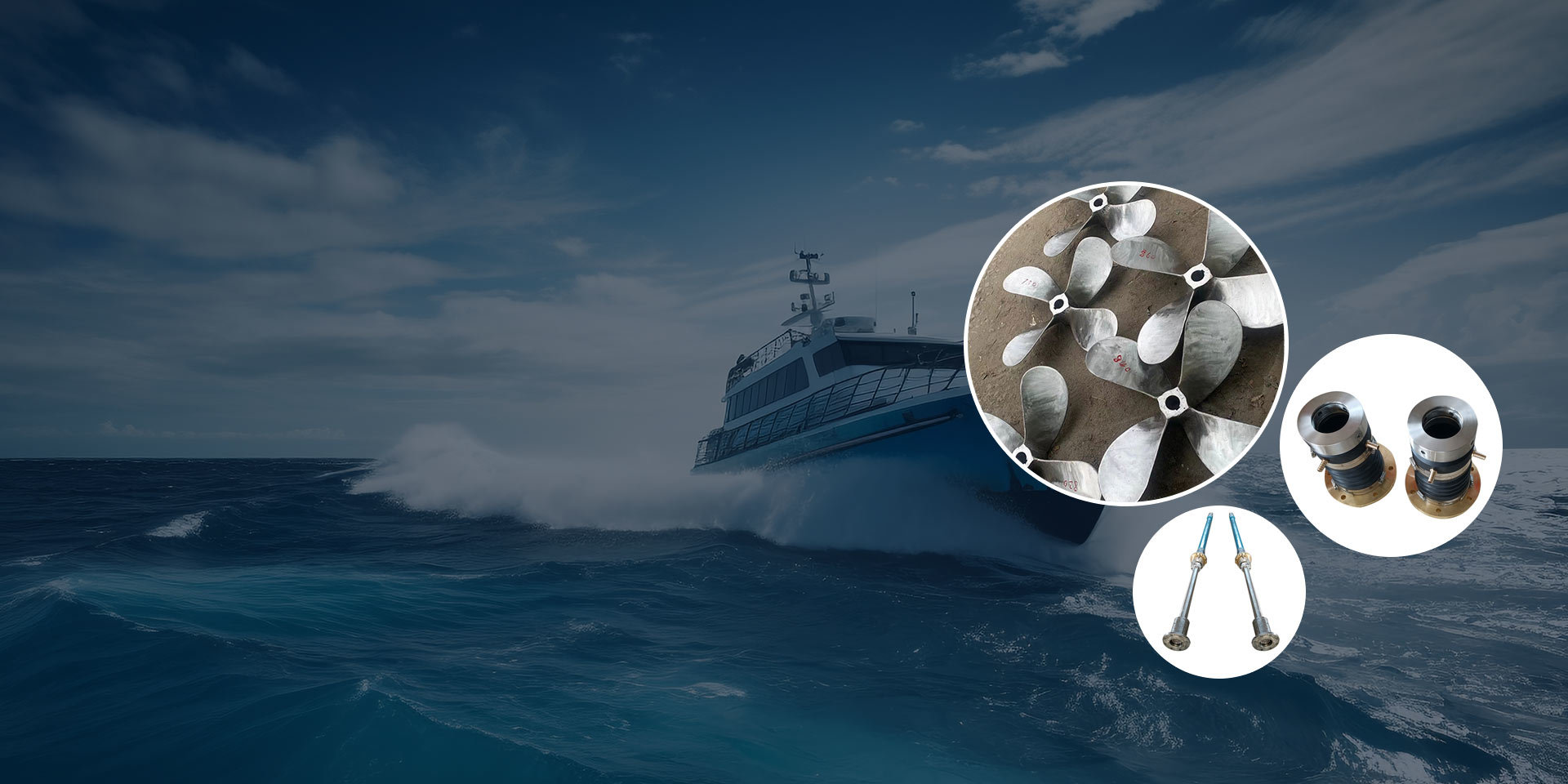
Copper propellers have gained prominence in the marine sector due to their unique attributes and advantages over traditional materials. One of the primary benefits of copper propellers is their impressive resistance to corrosion. In marine environments, saltwater can be highly detrimental to metal components. However, the inherent properties of copper, including its ability to form a protective pa
Copper propellers have gained prominence in the marine sector due to their unique attributes and advantages over traditional materials. One of the primary benefits of copper propellers is their impressive resistance to corrosion. In marine environments, saltwater can be highly detrimental to metal components. However, the inherent properties of copper, including its ability to form a protective patina, ensure that copper propellers maintain their integrity and performance over time. This characteristic significantly reduces the need for frequent replacements or repairs, ultimately saving costs and time for vessel operators.
Another key advantage of copper propellers is their efficiency. The design of these propellers can be optimized to enhance hydrodynamic performance, resulting in improved fuel efficiency. This is particularly important in an era where fuel costs are a significant operational expense for maritime transport. Enhanced efficiency also translates to reduced emissions, aligning with the growing emphasis on environmentally friendly practices in the shipping industry.
Copper propellers are also known for their mechanical strength and durability. They can withstand high-stress conditions and maintain their performance under extreme operational circumstances. This is especially beneficial for vessels that operate under challenging conditions, such as fishing boats or cargo ships navigating through rough waters. The toughness of copper helps ensure that propellers remain functional, maximizing uptime and reliability.
In addition to their performance benefits, copper propellers are often favored for their ease of maintenance. While all propellers require some level of care, copper's natural resistance to biofouling (the accumulation of microorganisms, plants, algae, or small animals on wetted surfaces) reduces the frequency of cleaning or maintenance required. This is a significant advantage, particularly for commercial vessels that may spend an extended period at sea.
Moreover, copper propellers can be designed in a variety of shapes and sizes, making them suitable for different types of vessels, from small recreational boats to large cargo ships. This versatility allows for tailored solutions that meet specific operational requirements, further enhancing their appeal in the maritime industry.
In conclusion, copper propellers offer numerous advantages, including corrosion resistance, efficiency, durability, and low maintenance needs. Their unique properties make them an excellent choice for a wide range of marine applications, providing both economic and environmental benefits. As the maritime industry continues to evolve, the adoption of advanced materials like copper will likely play a critical role in improving vessel performance and sustainability.
Keywords:
More information

Jin Di
Tel:
Sales E-mail:
MESSAGE
*Note: Please be sure to fill in the information accurately and keep the communication open, we will get in touch with you as soon as possible