
Understanding Propeller Shafts: The Backbone of Marine Propulsion
Release Time:
Apr 02,2025
In the world of marine transportation, the propeller shaft serves as a critical component in the propulsion system of a vessel. It acts as a link between the engine and the propeller, transmitting the rotational energy generated by the engine to the propeller, which in turn propels the vessel through water. Understanding the function and importance of propeller shafts can provide valuable insights
In the world of marine transportation, the propeller shaft serves as a critical component in the propulsion system of a vessel. It acts as a link between the engine and the propeller, transmitting the rotational energy generated by the engine to the propeller, which in turn propels the vessel through water. Understanding the function and importance of propeller shafts can provide valuable insights into their role in the efficiency and performance of various watercraft.
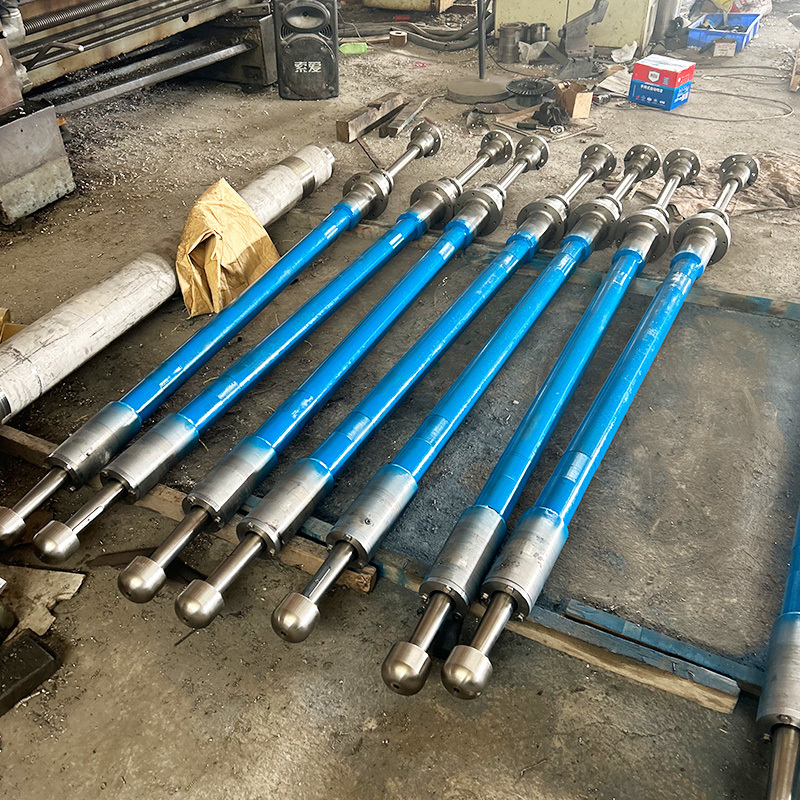
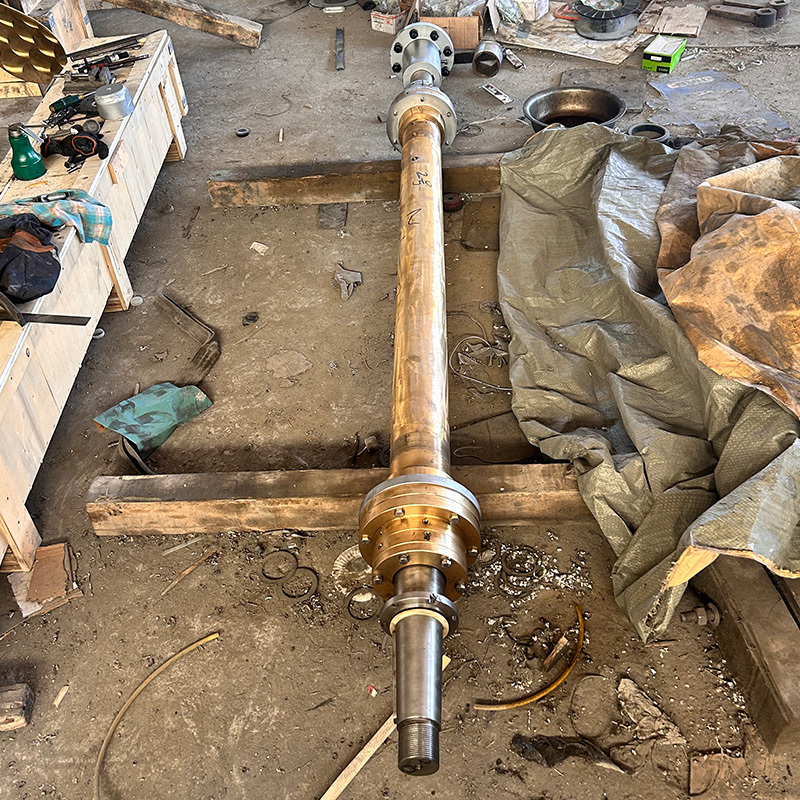
A propeller shaft is typically a long cylindrical rod made of high-strength materials, designed to withstand the immense stresses and torsional forces encountered during operation. The selection of materials is crucial because propeller shafts must endure not only the mechanical strains associated with propulsion but also environmental factors such as corrosion from seawater. Therefore, many modern shafts are constructed from stainless steel or other corrosion-resistant alloys to enhance durability.
One of the key functions of the propeller shaft is to convert the engine's rotational speed into thrust. Engine power is transferred through a gearbox, which adjusts the speed and torque before the energy reaches the propeller through the shaft. This conversion process is fundamental to achieving optimal propulsion efficiency. If the propeller shaft is not functioning correctly, it can lead to performance issues, such as decreased speed and increased fuel consumption.
Another important aspect of propeller shafts is their alignment. Proper alignment is essential to prevent excessive wear and tear on the bearings and seals that support the shaft. Misalignment can cause vibrations, which may lead to further mechanical failures if not addressed promptly. Regular maintenance and checks are vital to ensure that the propeller shaft remains in good working order, allowing for smooth operation and reliable performance.
In addition to performance considerations, safety is also a critical factor with propeller shafts. A failure in the shaft can lead to catastrophic situations, including loss of propulsion or even structural damage to the vessel. Therefore, routine inspections and adherence to maintenance schedules are paramount to ensure the integrity of the propeller shaft and the overall safety of the vessel.
In conclusion, the propeller shaft plays an indispensable role in marine propulsion, acting as the vital link between the engine and the propeller. Understanding its function, the materials used in its construction, and the importance of maintenance can significantly impact the effectiveness and safety of any watercraft. For those involved in marine transportation, a solid grasp of propeller shaft mechanics can lead to better-informed decisions and enhanced vessel performance. By prioritizing the health of this critical component, operators can ensure efficient and safe journeys across the water.
Keywords:
More information


Jin Di
Tel:
Sales E-mail:
MESSAGE
*Note: Please be sure to fill in the information accurately and keep the communication open, we will get in touch with you as soon as possible