
How Stern Tube Designs Enhance Marine Vessel Efficiency
Release Time:
Feb 11,2026
How Stern Tube Designs Enhance Marine Vessel Efficiency Table of Contents 1. Introduction to Stern Tube Designs 2. Importance of Stern Tubes in Marine Engineering 3. Various Designs of Stern Tubes 3.1. Traditional Stern Tube Designs 3.2. Modern Stern Tube Innovations 4. Benefits of Optimized Stern Tube Designs 5. How Stern Tube Designs
How Stern Tube Designs Enhance Marine Vessel Efficiency
Table of Contents
- 1. Introduction to Stern Tube Designs
- 2. Importance of Stern Tubes in Marine Engineering
- 3. Various Designs of Stern Tubes
- 4. Benefits of Optimized Stern Tube Designs
- 5. How Stern Tube Designs Impact Vessel Performance
- 6. Case Studies: Efficiency Gains from Stern Tube Designs
- 7. Maintenance Considerations for Stern Tubes
- 8. The Future of Stern Tube Designs in Marine Engineering
- 9. Frequently Asked Questions
- 10. Conclusion
1. Introduction to Stern Tube Designs
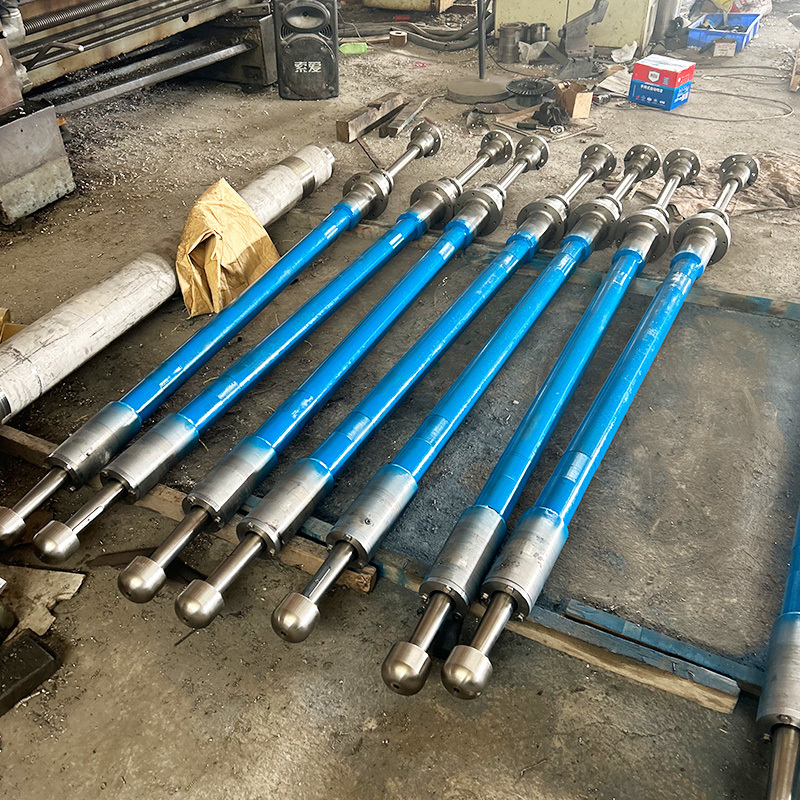
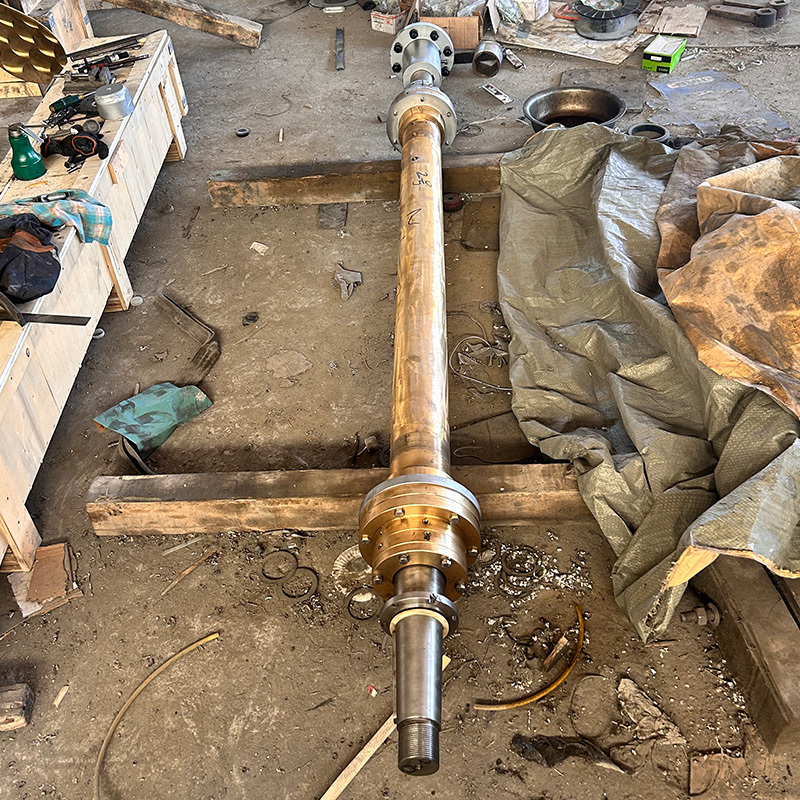
Stern tubes serve as critical components in marine vessels, acting as a conduit for the propeller shaft while also housing various seals and bearings. This article delves into **how stern tube designs enhance marine vessel efficiency**, focusing on their architecture and material choices that contribute to operational efficacy. As vessels operate in diverse marine environments, the engineering of stern tubes has evolved, adopting innovative designs that enhance performance while minimizing maintenance issues.
2. Importance of Stern Tubes in Marine Engineering
Stern tubes play an integral role in the overall functionality of marine vessels. They not only support the propeller shaft but also ensure smooth propulsion, which is fundamental for operational efficiency. Their design directly affects the vessel's fuel consumption, maneuverability, and durability. Understanding the **importance of stern tubes** allows marine engineers to optimize vessel performance and longevity.
3. Various Designs of Stern Tubes
The design of stern tubes can vary significantly based on vessel type and operational requirements. This section explores two main categories of stern tube designs: traditional and modern solutions.
3.1. Traditional Stern Tube Designs
Traditionally, stern tubes have been designed with straightforward architectures that prioritize durability and ease of installation. These designs typically feature a simple cylindrical structure made from robust materials such as cast iron or steel. The benefits of traditional designs include reliable sealing systems, ease of maintenance, and a proven track record in various marine environments.
3.2. Modern Stern Tube Innovations
Modern stern tube designs incorporate advanced materials and engineering techniques to enhance performance. Innovations such as composite materials, self-lubricating bearings, and hydrodynamic shapes have emerged to reduce drag and optimize efficiency. These modern designs also focus on **environmental sustainability**, incorporating features that minimize oil leakage and improve the vessel's overall carbon footprint.
4. Benefits of Optimized Stern Tube Designs
The optimization of stern tube designs yields numerous benefits that contribute to the efficiency and reliability of marine vessels. Key advantages include:
- **Reduced Fuel Consumption**: Streamlined designs minimize drag, allowing vessels to operate more efficiently and consume less fuel.
- **Enhanced Durability**: Advanced materials and engineering reduce wear and tear, extending the lifespan of the stern tube system.
- **Minimized Maintenance Requirements**: Optimized designs reduce the frequency and complexity of maintenance operations, allowing for more extended periods between inspections.
- **Improved Environmental Compliance**: Modern designs often incorporate features that help vessels meet stringent environmental regulations, promoting sustainability.
5. How Stern Tube Designs Impact Vessel Performance
The performance of a marine vessel is heavily influenced by the efficiency of its propulsion system, with stern tube designs playing a pivotal role. Factors such as drag reduction, vibration control, and thermal management all contribute to the overall performance of the vessel.
Hydrodynamic shapes are crucial for minimizing turbulence around the propeller shaft, leading to improved fuel efficiency and smoother operations. Furthermore, effective vibration damping mechanisms integrated into stern tube designs help mitigate the effects of engine vibrations, enhancing crew comfort and preserving equipment integrity.
6. Case Studies: Efficiency Gains from Stern Tube Designs
Real-world applications of advanced stern tube designs highlight the tangible benefits of optimization. For instance, a notable case involved a large container ship that underwent a retrofit of its stern tube system, integrating modern design techniques. Post-retrofit analysis showed a 15% reduction in fuel consumption, attributable to decreased drag and improved propeller efficiency.
In another case, a fishing trawler implemented a cutting-edge stern tube design that included self-lubricating bearings. This upgrade not only reduced maintenance intervals but also improved operational reliability, allowing the vessel to operate longer without the need for dry docking.
7. Maintenance Considerations for Stern Tubes
Regular maintenance is essential for ensuring the longevity and efficiency of stern tube systems. Key considerations include:
- **Regular Inspections**: Frequent inspections help identify wear and damage early, preventing costly repairs.
- **Lubrication Practices**: Proper lubrication of bearings and seals is crucial to minimize friction and wear.
- **Condition Monitoring**: Utilizing condition monitoring technologies can provide real-time insights into the health of the stern tube system, allowing for proactive maintenance strategies.
Innovations in maintenance techniques, such as the use of predictive analytics, can further enhance the reliability of stern tube systems by anticipating potential failures before they occur.
8. The Future of Stern Tube Designs in Marine Engineering
As the maritime industry continues to evolve, so too will stern tube designs. Future trends may include the integration of smart technologies, such as sensors for real-time monitoring of system performance and predictive maintenance alerts. Additionally, as sustainability becomes increasingly important, designs will likely focus on further reducing the environmental impact of vessels.
Research into new materials and designs will also play a critical role in optimizing stern tube efficiency. The emphasis on hybrid and electric propulsion systems may lead to novel stern tube architectures that align with these emerging technologies.
9. Frequently Asked Questions
1. What is a stern tube?
A stern tube is a cylindrical component in marine vessels that houses the propeller shaft, providing support and sealing mechanisms to prevent water ingress.
2. How do stern tubes affect fuel efficiency?
Stern tubes influence fuel efficiency by minimizing drag and optimizing the hydrodynamic flow around the propeller shaft, leading to reduced resistance and fuel consumption.
3. What materials are commonly used in stern tube designs?
Common materials include cast iron, steel, and increasingly, composite materials that offer enhanced durability and resistance to corrosion.
4. Why is maintenance important for stern tubes?
Regular maintenance is crucial to ensure the longevity and optimal performance of stern tubes, preventing costly repairs and ensuring vessel safety.
5. What trends are shaping the future of stern tube designs?
Emerging trends include the integration of smart technologies for monitoring, a focus on sustainability, and the adaptation of designs for hybrid and electric propulsion systems.
10. Conclusion
Stern tube designs play a vital role in enhancing the efficiency of marine vessels. Through various designs and innovations, these components not only support the propulsion system but also contribute significantly to operational performance, fuel efficiency, and environmental compliance. As the maritime industry navigates towards a more sustainable future, continued advancements in stern tube technology will be paramount. By understanding and optimizing these designs, we can ensure that marine vessels operate efficiently and responsibly, setting a course for success in an ever-evolving industry.
Keywords:
More information
Jin Di
Tel:
Sales E-mail:
MESSAGE
*Note: Please be sure to fill in the information accurately and keep the communication open, we will get in touch with you as soon as possible