
Understanding the Importance of Stern Tubes in Marine Transportation
Release Time:
Apr 01,2026
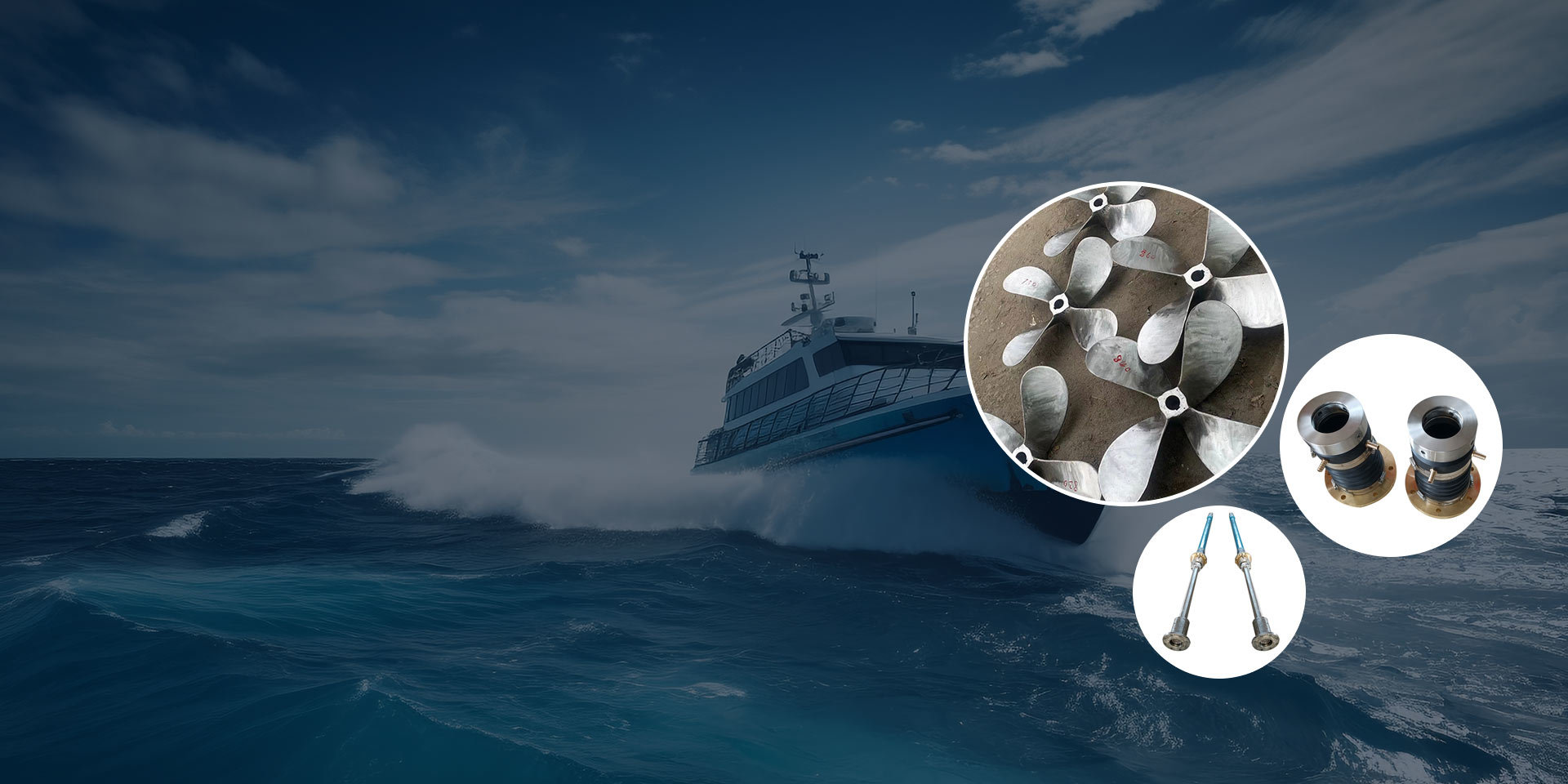
Stern tubes are critical components in marine transportation, serving to support the propeller shaft and create a watertight seal between the vessel's hull and the outside environment. Understanding the function and maintenance of stern tubes is essential for anyone involved in the maritime industry, as they play a crucial role in the overall performance and safety of ships. At its core, a stern t
Stern tubes are critical components in marine transportation, serving to support the propeller shaft and create a watertight seal between the vessel's hull and the outside environment. Understanding the function and maintenance of stern tubes is essential for anyone involved in the maritime industry, as they play a crucial role in the overall performance and safety of ships.
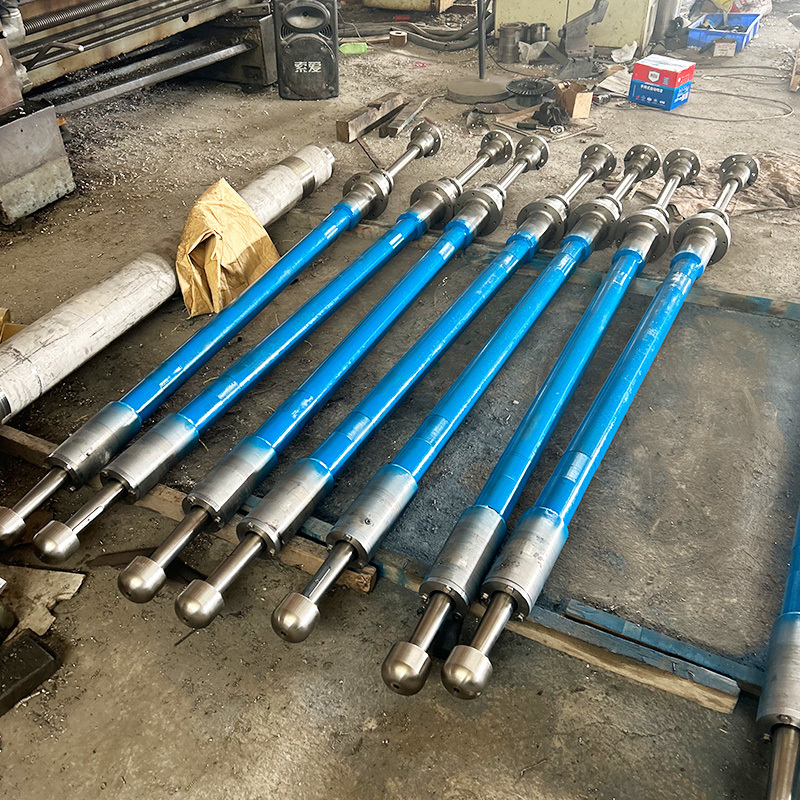
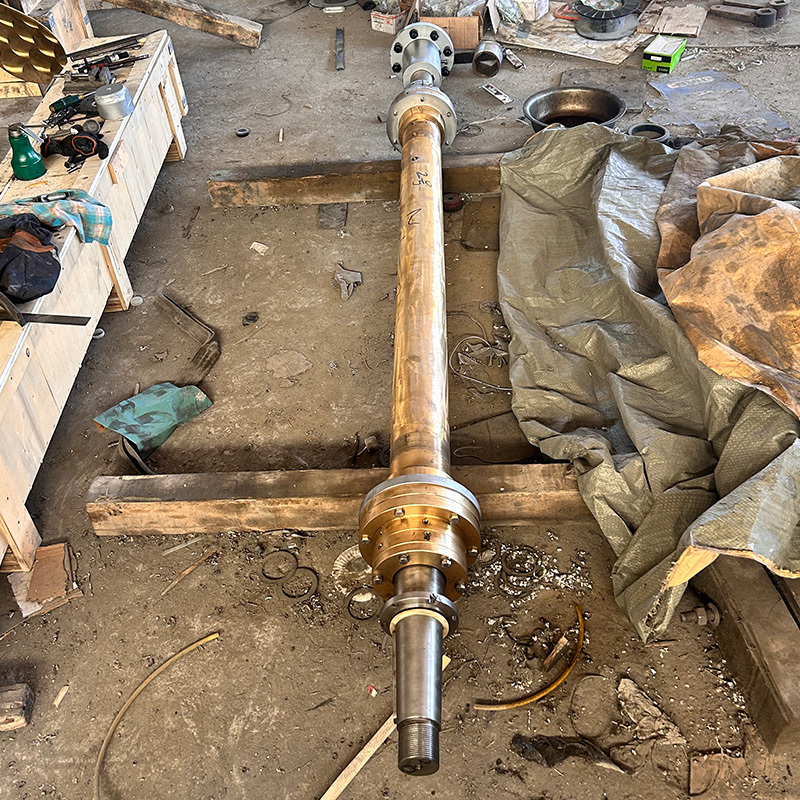
At its core, a stern tube is designed to house the propeller shaft, allowing it to rotate freely while keeping water from entering the vessel. Typically constructed of durable materials, stern tubes are engineered to withstand high-pressure conditions found in marine environments. They often contain bearings and seals that facilitate smooth operation and protect against unwanted water ingress.
The primary function of a stern tube is to ensure that the propeller shaft is supported and secured, allowing for efficient propulsion. As the propeller rotates, it generates thrust that propels the vessel forward. The stern tube’s design helps to minimize friction and wear, extending the life of both the shaft and the propeller.
Maintenance of the stern tube is vital for the longevity of the entire propulsion system. Regular inspections should be conducted to check for signs of wear and tear, corrosion, or seal failure. If any issues are detected, prompt repairs or replacements should be made to prevent catastrophic failures that could lead to costly downtime or even accidents at sea.
Another important aspect of stern tubes is their role in lubrication. Many stern tubes are equipped with a lubrication system that ensures the bearings are properly oiled, reducing friction and heat generation. Proper lubrication is essential for optimal performance and can significantly prolong the lifespan of the stern tube assembly.
In recent years, advancements in materials and designs have led to the development of more efficient stern tube systems. Innovations such as water-lubricated bearings are becoming increasingly popular due to their environmental benefits and reduced maintenance requirements. Marine operators should stay informed about these advancements, as they can lead to improved operational efficiency and reduced costs.
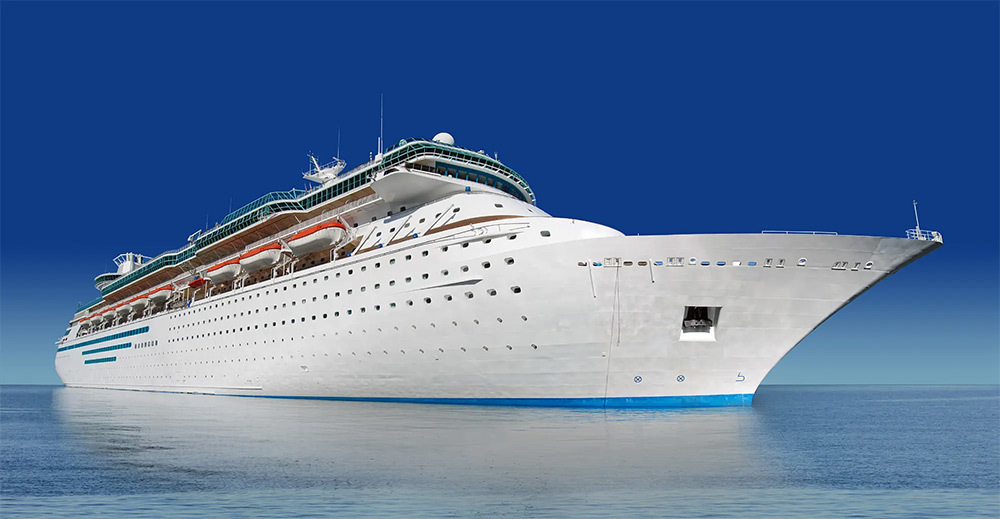
In conclusion, stern tubes are indispensable components in the maritime industry, playing a crucial role in the safe and efficient operation of vessels. Understanding their function, maintenance needs, and the latest innovations can help operators ensure their ships remain seaworthy and competitive. By prioritizing the health of stern tubes, marine transportation professionals can contribute to safer and more efficient maritime operations, ultimately benefiting the entire industry.
Keywords:
More information
Jin Di
Tel:
Sales E-mail:
MESSAGE
*Note: Please be sure to fill in the information accurately and keep the communication open, we will get in touch with you as soon as possible