
The Connection Between Propeller Shafts and Fuel Efficiency in Marine Transportation
Release Time:
May 20,2026
The Connection Between Propeller Shafts and Fuel Efficiency in Marine Transportation Understanding Propeller Shafts: The Unsung Heroes of Marine Engineering Propeller shafts are vital components in marine vessels, serving as the link between the engine and the propeller. This connection is crucial, as it transforms the engine's rotational power into thrust, pushing the vessel through water. The ef
The Connection Between Propeller Shafts and Fuel Efficiency in Marine Transportation
Understanding Propeller Shafts: The Unsung Heroes of Marine Engineering
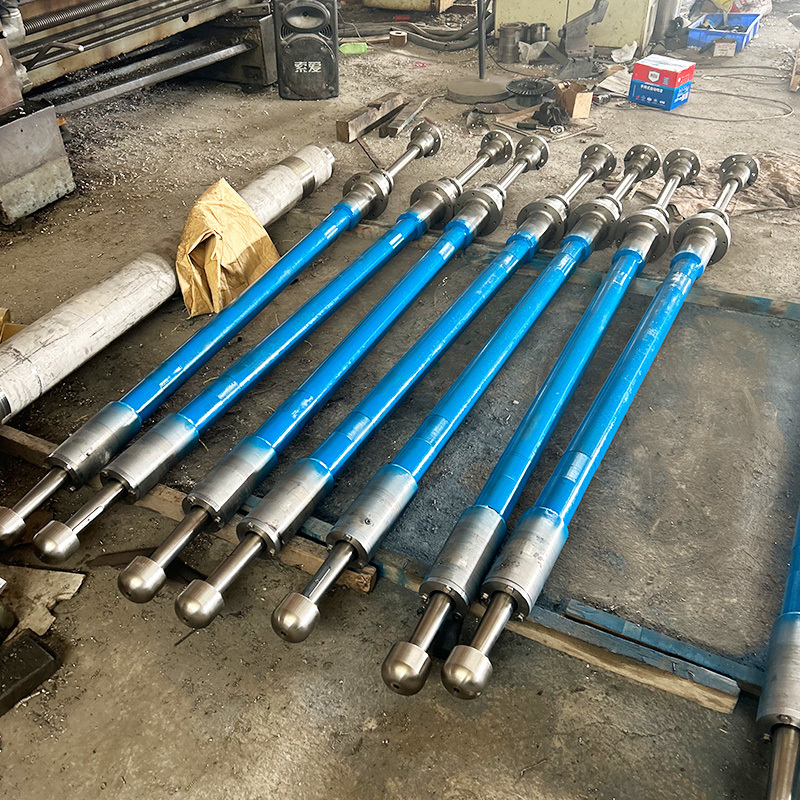
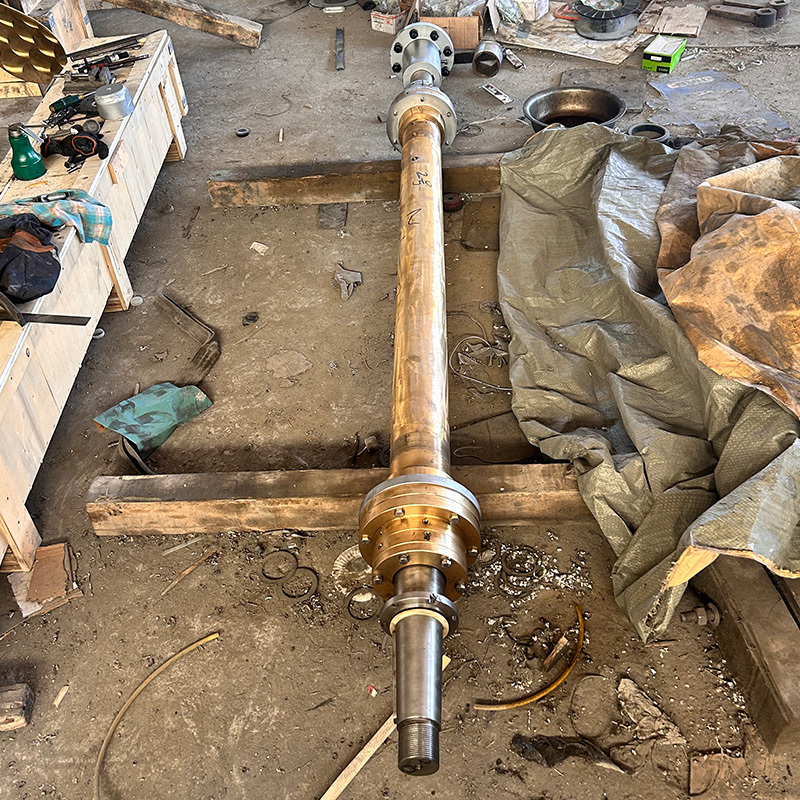
Propeller shafts are vital components in marine vessels, serving as the link between the engine and the propeller. This connection is crucial, as it transforms the engine's rotational power into thrust, pushing the vessel through water. The efficiency of this process directly impacts a ship's fuel consumption and overall operational costs. By focusing on the design and maintenance of propeller shafts, we can significantly enhance fuel efficiency.
The Role of Propeller Shafts in Marine Vessels
In a typical marine propulsion system, the propeller shaft transmits torque from the marine engine to the propeller. A well-designed shaft ensures minimal energy loss during transmission. Key elements include:
1. **Material Composition**: The materials used for propeller shafts, typically stainless steel or other alloys, affect their strength, weight, and resistance to corrosion.
2. **Length and Diameter**: The dimensions of the shaft play a critical role in its performance. A longer or thicker shaft could lead to additional weight, influencing fuel efficiency.
3. **Alignment**: Proper alignment between the engine and the propeller is essential for reducing vibration and ensuring optimal power transfer.
Fuel Efficiency: What Does It Mean for Marine Transportation?
Fuel efficiency in marine transportation refers to the amount of fuel consumed relative to the distance traveled or cargo transported. Enhanced fuel efficiency not only leads to cost savings but also reduces greenhouse gas emissions, making it a vital consideration for modern shipping companies.
Factors Influencing Fuel Efficiency in Marine Vessels
Several elements affect fuel efficiency, including:
1. **Vessel Design**: The hull shape and size impact hydrodynamics and drag, which in turn influence fuel consumption.
2. **Engine Performance**: The engine's design and efficiency directly correlate with how effectively it converts fuel into thrust.
3. **Propeller Design**: The shape, size, and pitch of the propeller significantly impact propulsion efficiency.
4. **Operational Practices**: How a vessel is operated, including speed and route planning, can greatly influence fuel usage.
How Propeller Shafts Impact Fuel Efficiency
The relationship between propeller shafts and fuel efficiency is intricate. A well-optimized propeller shaft can lead to substantial improvements in performance. Here’s how:
1. **Reduced Friction Loss**: A properly designed propeller shaft minimizes friction losses. This ensures that more energy is transmitted from the engine to the propeller, enhancing overall efficiency.
2. **Vibration Reduction**: Misalignment or poor design can cause excessive vibration, leading to energy losses and increased wear on components. A well-maintained shaft ensures smoother operation, reducing energy waste.
3. **Weight Optimization**: Utilizing lighter materials for the shaft can reduce the overall weight of the vessel, contributing to improved fuel efficiency.
Design Considerations for Enhancing Propeller Shaft Efficiency
To maximize fuel efficiency, specific design considerations need to be addressed:
Material Selection
Choosing the right materials is crucial for performance and longevity. High-strength alloys that resist corrosion and fatigue will not only extend the lifespan of the shaft but also enhance its performance under various operational conditions.
Precision Engineering
Precision in manufacturing propeller shafts ensures that they meet strict tolerances. This precision translates into better alignment and reduced wear, which improves efficiency and reduces fuel consumption.
Advanced Coatings
Innovative coatings can be applied to propeller shafts to reduce drag and improve performance. These coatings enhance corrosion resistance and reduce maintenance needs, further contributing to fuel efficiency.
Maintenance Practices for Optimal Propeller Shaft Functionality
Regular maintenance of propeller shafts is essential to ensure their longevity and efficiency. Proper practices include:
Regular Inspections
Scheduled inspections can identify wear and tear before they lead to significant issues. Early detection of misalignments or corrosion allows for timely repairs, maintaining optimal performance.
Lubrication and Sealing
Proper lubrication reduces friction and wear on the shaft bearings, enhancing performance and fuel efficiency. Sealing systems should also be regularly checked to prevent water ingress, which can lead to corrosion.
Alignment Checks
Maintaining correct alignment between the engine and propeller shaft is crucial. Misalignment can lead to vibration and increased fuel consumption. Regular checks and adjustments will ensure that the vessel operates at peak efficiency.
Innovations in Propeller Shaft Technology
The maritime industry continuously seeks innovations to improve fuel efficiency. Emerging technologies include:
Hybrid Propulsion Systems
Hybrid systems that combine traditional engines with electric propulsion can offer significant fuel savings. By optimizing the use of power, vessels can operate more efficiently under different conditions.
Smart Technologies and Analytics
Data-driven approaches allow for real-time monitoring of vessel performance. Analytics can identify inefficiencies and suggest operational adjustments that enhance fuel efficiency.
3D Printing for Custom Components
3D printing allows for the creation of highly optimized and custom-designed propeller shafts, improving performance and reducing waste in manufacturing processes.
Case Studies: Successful Implementations of Efficient Propeller Shafts
Various shipping companies have successfully implemented design improvements and maintenance practices to enhance fuel efficiency through propeller shaft optimization. Notable examples include:
Company A: Reducing Fuel Consumption by 15%
Company A revamped its propeller shaft design using advanced materials and precision engineering, leading to a remarkable 15% reduction in fuel consumption across its fleet.
Company B: Innovations in Maintenance Practices
By adopting a proactive maintenance schedule, Company B was able to reduce downtime and optimize fuel usage, further enhancing their operational efficiency.
Conclusion: The Future of Propeller Shafts and Fuel Efficiency
In marine transportation, the connection between propeller shafts and fuel efficiency is undeniable. By focusing on design, materials, and maintenance, we can significantly enhance performance while reducing operational costs. As the industry continues to evolve, embracing innovative technologies and practices will be crucial in achieving sustainable and efficient marine transportation.
Frequently Asked Questions (FAQs)
1. How do propeller shafts affect fuel efficiency?
Propeller shafts directly impact fuel efficiency by ensuring that the engine's power is transmitted efficiently to the propeller. Well-designed and maintained shafts minimize friction and vibration, leading to reduced fuel consumption.
2. What materials are best for propeller shafts?
High-strength alloys such as stainless steel or bronze are commonly used for propeller shafts due to their durability, corrosion resistance, and strength.
3. How often should propeller shafts be inspected?
Regular inspections should occur at least once a year, with additional checks conducted during routine maintenance or if performance issues are suspected.
4. Can technology improve the efficiency of propeller shafts?
Yes, advancements in materials, precision engineering, and smart analytics can significantly enhance the efficiency of propeller shafts, leading to improved fuel efficiency.
5. What maintenance practices are critical for propeller shafts?
Key maintenance practices include regular inspections, proper lubrication, alignment checks, and ensuring that sealing systems are intact to prevent corrosion.
This comprehensive exploration of the connection between propeller shafts and fuel efficiency is designed to provide valuable insights and actionable strategies for optimizing marine transportation operations. By prioritizing propeller shaft efficiency, companies can not only save on fuel costs but also contribute to a more sustainable maritime industry.
Keywords:
More information



Jin Di
Tel:
Sales E-mail:
MESSAGE
*Note: Please be sure to fill in the information accurately and keep the communication open, we will get in touch with you as soon as possible