
Understanding Stern Tubes: Essential Insights for Maritime Professionals
Release Time:
May 27,2026
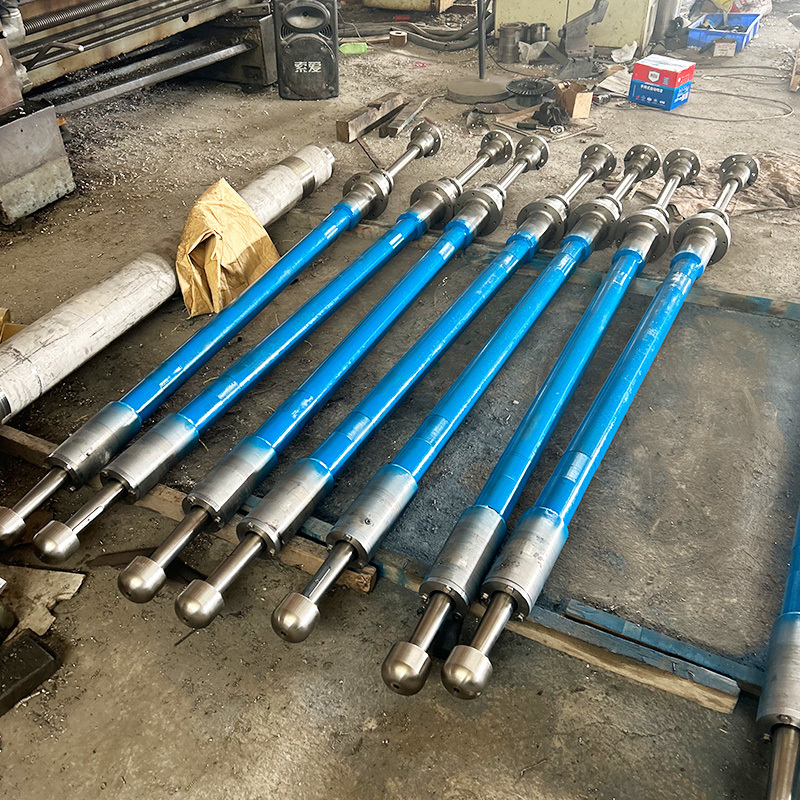
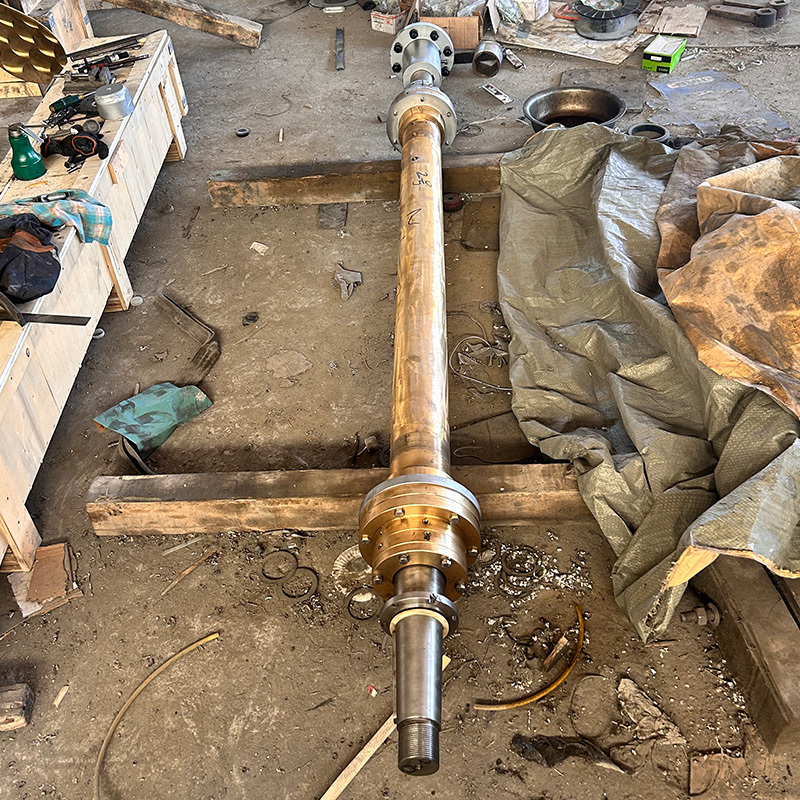
Stern tubes are integral components of a vessel's propulsion system, serving as a housing structure that connects the ship's hull to the propeller shaft. They facilitate the smooth rotation of the propeller while ensuring the watertight integrity of the vessel. Understanding the intricacies of stern tubes is essential for maritime professionals involved in the design, operation, and maintenance of
Stern tubes are integral components of a vessel's propulsion system, serving as a housing structure that connects the ship's hull to the propeller shaft. They facilitate the smooth rotation of the propeller while ensuring the watertight integrity of the vessel. Understanding the intricacies of stern tubes is essential for maritime professionals involved in the design, operation, and maintenance of ships.
Typically, a stern tube consists of several key components, including the stern tube itself, bearings, seals, and sometimes a lubrication system. The primary function of the stern tube is to support the propeller shaft, allowing it to rotate freely while preventing water from entering the ship's interior. This critical function is achieved through the use of bearings that reduce friction and ensure efficient power transfer from the engine to the propeller.
One of the most common types of bearings used in stern tubes is the rubber or composite bearing, which offers advantages in terms of noise reduction and durability. These materials are resistant to corrosion and can withstand the harsh marine environment, contributing to the longevity of the stern tube assembly. Additionally, some vessels utilize water-lubricated stern tube bearings, which eliminate the need for oil, further enhancing environmental safety.
Regular maintenance of the stern tube is crucial for the overall performance of the vessel. This includes routine inspections to check for wear and tear, ensuring that seals are intact, and verifying that the lubrication system is functioning correctly. Neglecting stern tube maintenance can lead to serious issues such as shaft misalignment, excessive vibration, and even water ingress, which can jeopardize the vessel's safety.
In recent years, advancements in technology have led to the development of more sophisticated stern tube systems. Innovations such as monitoring systems that provide real-time data on the performance of the stern tube and its components are becoming increasingly prevalent. These systems can alert operators to potential issues before they escalate, allowing for proactive maintenance and minimizing downtime.
In summary, stern tubes are vital components that play a crucial role in the safe and efficient operation of maritime vessels. A comprehensive understanding of their structure, function, and maintenance is essential for professionals in the maritime industry. By prioritizing the care and upkeep of stern tubes, operators can ensure the reliability and safety of their vessels, ultimately contributing to the success of maritime operations.
Keywords:
More information

Jin Di
Tel:
Sales E-mail:
MESSAGE
*Note: Please be sure to fill in the information accurately and keep the communication open, we will get in touch with you as soon as possible