
The Critical Role of Stern Tubes in Enhancing Ship Propulsion and Stability
Release Time:
Jul 15,2026
The Critical Role of Stern Tubes in Enhancing Ship Propulsion and Stability Table of Contents 1. Introduction to Stern Tubes 2. Understanding Ship Propulsion 3. The Mechanics of Stern Tubes 4. Importance of Stern Tubes in Ship Design 5. Impact on Stability and Maneuverability 6. Maintenance and Repair of Stern Tubes 7. Future of Stern Tube Technology 8. Frequently
The Critical Role of Stern Tubes in Enhancing Ship Propulsion and Stability
Table of Contents
- 1. Introduction to Stern Tubes
- 2. Understanding Ship Propulsion
- 3. The Mechanics of Stern Tubes
- 4. Importance of Stern Tubes in Ship Design
- 5. Impact on Stability and Maneuverability
- 6. Maintenance and Repair of Stern Tubes
- 7. Future of Stern Tube Technology
- 8. Frequently Asked Questions
- 9. Conclusion
1. Introduction to Stern Tubes
Stern tubes, often referred to as shaft tubes, are pivotal components in marine vessels, acting as conduits for the propulsion shafts that connect the engine to the propeller. These tubes are located at the stern, or rear, of the ship and play an integral role in ensuring the vessel operates effectively in various aquatic environments. Understanding the functionality of stern tubes is crucial for anyone involved in maritime engineering, naval architecture, or ship operations.
2. Understanding Ship Propulsion
To appreciate the role of stern tubes, we must first delve into the basics of ship propulsion. The propulsion system of a ship converts mechanical energy generated by the engine into motion. This process typically involves several components, including the engine, gearbox, propeller, and, of course, the stern tube. The efficiency of this system directly impacts the vessel's speed and fuel consumption, making it vital for maritime efficiency and sustainability.
2.1 Key Components of Ship Propulsion Systems
Ship propulsion systems are multifaceted, involving various components that work harmoniously:
- **Engine:** The heart of the propulsion system, providing the necessary power.
- **Transmission System:** Often includes gears to optimize engine output.
- **Propeller:** The final component that interacts with water to generate thrust.
- **Stern Tube:** Serves as the passage for the propeller shafts while providing support and alignment.
3. The Mechanics of Stern Tubes
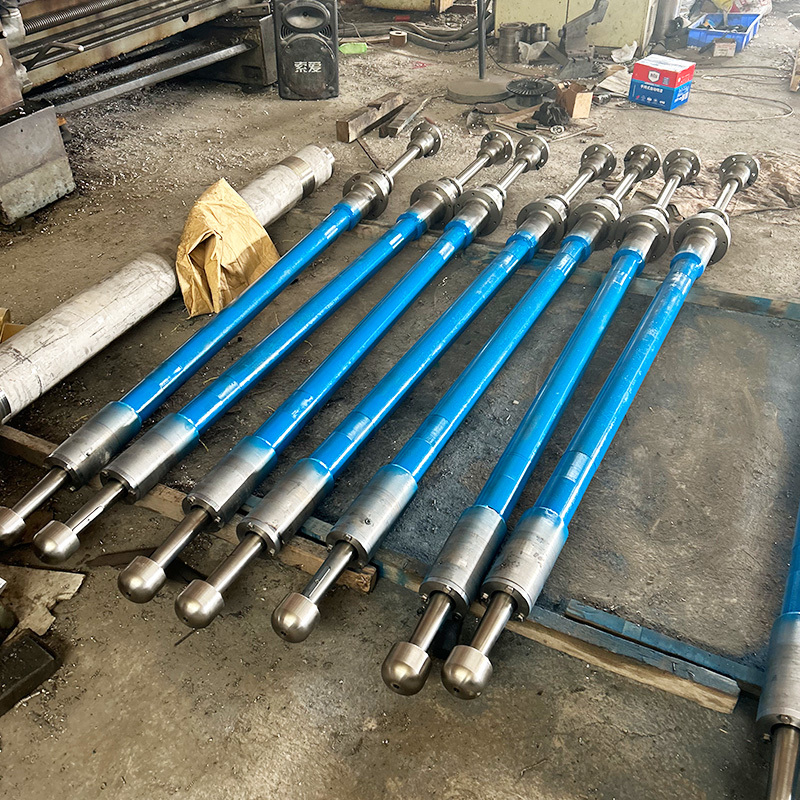
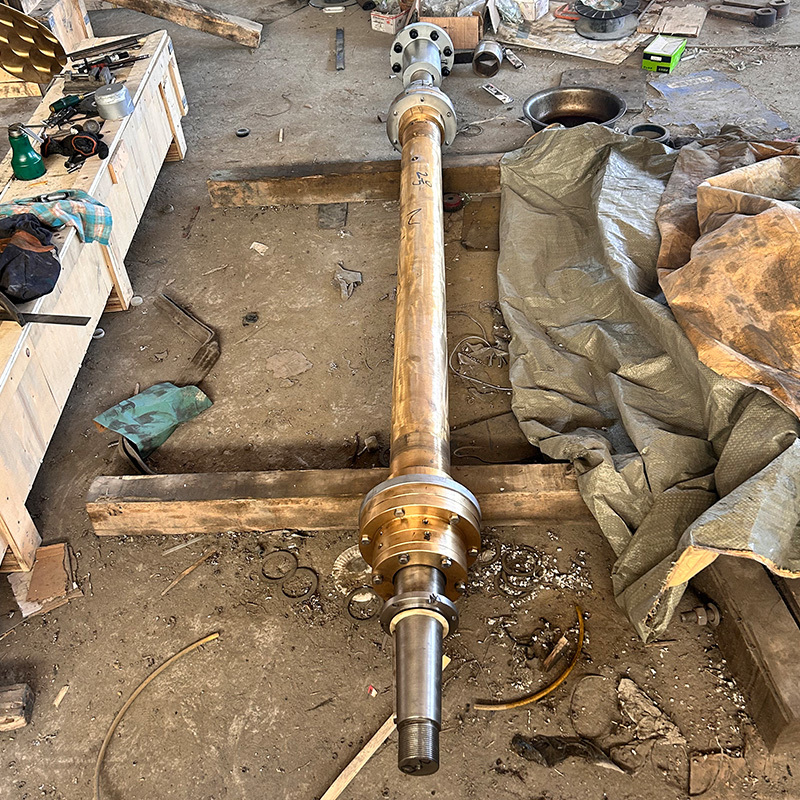
Stern tubes facilitate the rotation of the propeller shaft while also housing seals and bearings that ensure smooth operation. They are usually constructed from durable materials such as steel or fiberglass to withstand the harsh marine environment, including exposure to saltwater, pressure, and mechanical stress.
3.1 Structure of Stern Tubes
The typical structure of a stern tube comprises several components:
- **Outer Tube:** Provides the primary structure and protection.
- **Inner Shaft:** Houses the propeller shaft.
- **Bearings:** Support the shaft and allow for smooth rotation.
- **Seals:** Prevent water from entering the tube and damaging internal components.
3.2 Types of Stern Tubes
There are various designs of stern tubes, including:
- **Flexible Stern Tubes:** Allow for some degree of movement.
- **Rigid Stern Tubes:** Offer more durability but less flexibility.
- **Self-aligning Stern Tubes:** Help maintain alignment under dynamic loads.
4. Importance of Stern Tubes in Ship Design
Properly designed stern tubes are essential for optimal ship performance. They must be calibrated according to the specific needs of the vessel, including its size, weight, and intended use. A well-constructed stern tube can improve energy efficiency, enhance stability, and reduce wear on other components.
4.1 Efficiency and Fuel Consumption
Stern tubes play a significant role in enhancing the overall efficiency of the propulsion system. By minimizing friction and ensuring proper alignment, they reduce the energy needed to drive the vessel forward, leading to lower fuel consumption and a reduced carbon footprint.
4.2 Enhancing Stability
The stability of a ship is paramount for safe operations, especially in rough seas. Stern tubes contribute to stability by ensuring the propeller operates efficiently and effectively, which in turn affects how the vessel responds to waves, currents, and other external forces.
5. Impact on Stability and Maneuverability
Stern tubes significantly influence a vessel's maneuverability. Their design and condition can affect how quickly and accurately a ship can respond to steering commands. A malfunctioning stern tube can lead to an unresponsive or unstable vessel, posing safety risks.
5.1 Maneuverability in Tight Spaces
In scenarios requiring precise maneuvering, such as docking or navigating through narrow channels, the effectiveness of the stern tube becomes even more apparent. A well-functioning stern tube allows for smoother operation of the propeller, enabling tighter turns and better handling.
5.2 Stability in Harsh Conditions
During heavy seas, a vessel's stability is tested. Stern tubes help maintain even thrust distribution, allowing for a more controlled response to waves and reducing the likelihood of capsizing or rolling.
6. Maintenance and Repair of Stern Tubes
Regular maintenance of stern tubes is essential for ensuring their longevity and performance. Neglecting to care for these components can lead to significant operational issues and costly repairs.
6.1 Routine Inspections
Routine inspections should include checking for wear on seals and bearings, ensuring there are no signs of corrosion, and verifying that the shaft is aligned correctly.
6.2 Repair Protocols
In case of damage, repair protocols vary based on the severity of the issue. Minor repairs may involve replacing seals or bearings, while more extensive damage may require a complete replacement of the stern tube.
7. Future of Stern Tube Technology
As maritime technology advances, so too does the design and functionality of stern tubes. New materials and engineering practices are emerging that promise to enhance the effectiveness and longevity of these components.
7.1 Innovations in Materials
The development of advanced composite materials offers the potential for lighter, more durable stern tubes that can withstand greater pressures and resist corrosion more effectively.
7.2 Smart Technologies in Stern Tube Design
Integrating smart technologies, such as sensors that monitor the condition of the stern tube in real-time, can provide valuable data for predictive maintenance, ultimately leading to improved operational efficiency.
8. Frequently Asked Questions
1. What is a stern tube?
A stern tube is a cylindrical component located at the rear of a ship, designed to house the propulsion shaft and provide support and alignment for the propeller.
2. Why are stern tubes important for ship stability?
Stern tubes help ensure that the propeller operates efficiently, contributing to the overall stability and maneuverability of the vessel, especially in challenging sea conditions.
3. How do I maintain a stern tube?
Regular inspections should be conducted to check for wear, corrosion, and alignment issues. Maintenance may involve replacing seals and bearings as necessary.
4. What materials are used in stern tube construction?
Stern tubes are typically constructed from durable materials such as steel or fiberglass, designed to withstand harsh marine conditions.
5. What advancements are being made in stern tube technology?
Innovations include the use of advanced composite materials and smart technologies that allow for real-time monitoring of the stern tube's condition.
9. Conclusion
The role of stern tubes in ship propulsion and stability is undeniably significant. They are essential components that contribute to the efficiency, safety, and maneuverability of maritime vessels. Understanding their mechanics, importance, and maintenance requirements is crucial for anyone involved in the maritime industry. As technology continues to evolve, we can expect even greater advancements in stern tube design, further enhancing their role in modern shipping. The future of maritime navigation depends on the continued innovation of these vital components, ensuring that ships remain safe, efficient, and environmentally friendly.
Keywords:
More information


Jin Di
Tel:
Sales E-mail:
MESSAGE
*Note: Please be sure to fill in the information accurately and keep the communication open, we will get in touch with you as soon as possible