
Understanding the Importance of Propeller Shafts in Marine Transportation
Release Time:
Apr 26,2025
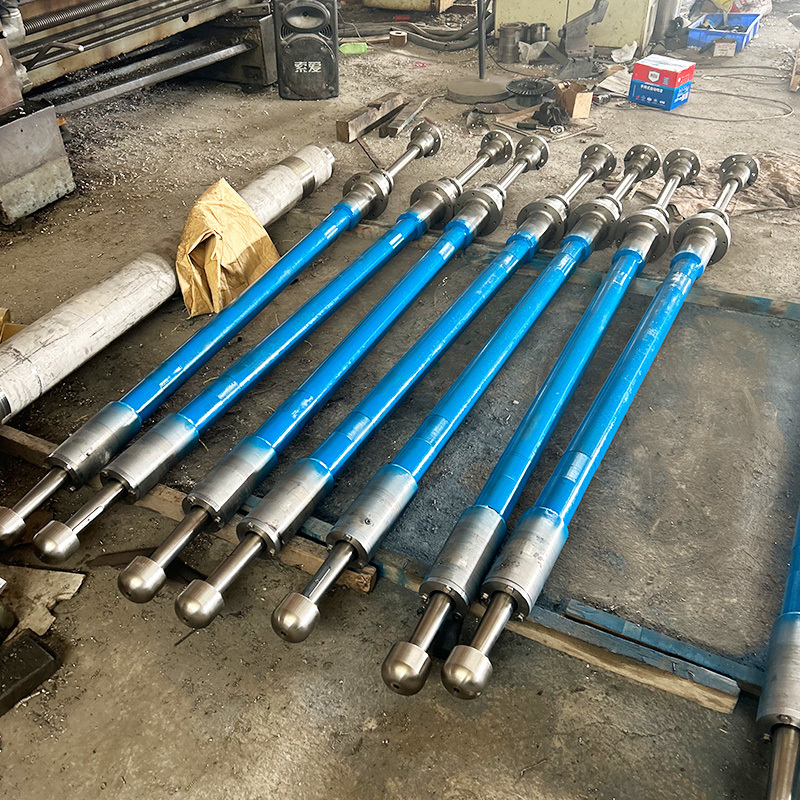
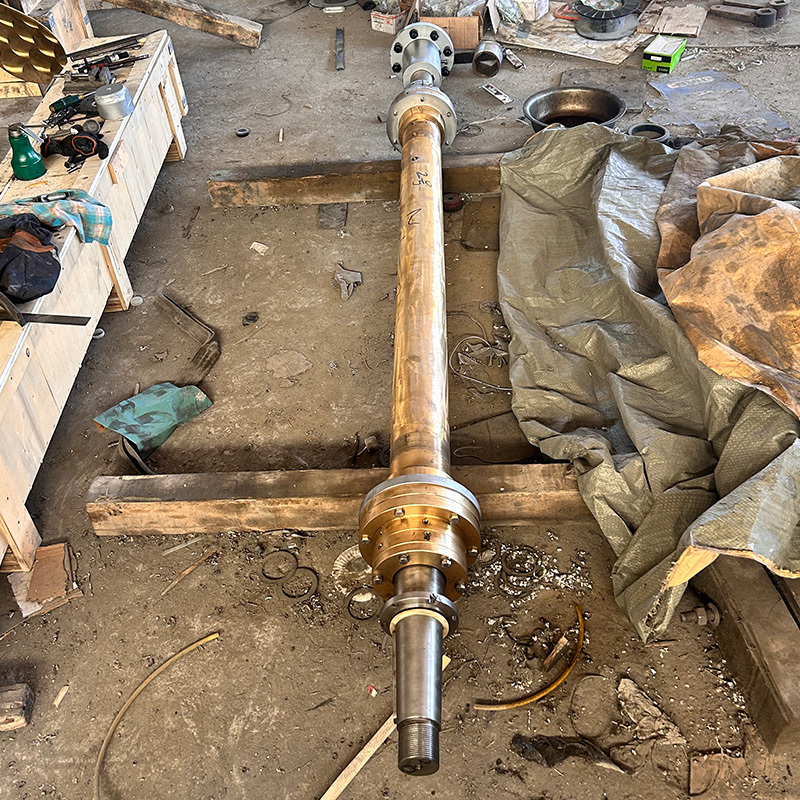
Propeller shafts are integral components of marine propulsion systems, connecting the engine to the propeller and transmitting power to ensure the vessel moves smoothly through water. Understanding the importance of propeller shafts is essential for maintaining the performance and safety of watercraft. The primary function of a propeller shaft is to transfer rotational energy generated by the engi
Propeller shafts are integral components of marine propulsion systems, connecting the engine to the propeller and transmitting power to ensure the vessel moves smoothly through water. Understanding the importance of propeller shafts is essential for maintaining the performance and safety of watercraft.
The primary function of a propeller shaft is to transfer rotational energy generated by the engine to the propeller. This not only enables the vessel to propel forward but also affects maneuverability and overall efficiency. A well-designed propeller shaft can significantly reduce vibrations and increase fuel efficiency, making it a critical element in the vessel’s design and operation.
There are several types of propeller shafts used in marine applications, each with specific characteristics tailored to different operational requirements. Common types include solid shafts, hollow shafts, and composite shafts. Solid shafts are typically made from high-strength steel, providing durability and reliability. Hollow shafts, on the other hand, are lightweight and can reduce overall vessel weight, which is beneficial for speed and fuel consumption. Composite shafts, made from materials like fiberglass or carbon fiber, offer resistance to corrosion and reduced maintenance needs, making them a popular choice for modern vessels.
Maintenance of propeller shafts is vital for ensuring their longevity and optimal performance. Regular inspections should be conducted to check for signs of wear, misalignment, or corrosion. Any irregularities can lead to inefficiencies, increased fuel consumption, or even catastrophic failures. It’s also essential to ensure that the bearings and seals are in good condition to prevent water ingress, which can lead to further damage.
In addition to regular maintenance, the alignment of the propeller shaft is critical. Misalignment can cause excessive vibration, leading to premature wear and tear of the shaft and other connected components. Utilizing precision alignment tools and techniques can help maintain proper alignment, enhancing the overall performance and lifespan of the shaft.
Overall, propeller shafts are a fundamental component in the maritime industry, impacting everything from propulsion efficiency to vessel safety. By understanding their functions, types, and maintenance needs, stakeholders in marine transportation can make informed decisions that enhance their operational effectiveness. In doing so, the reliability and efficiency of watercraft can be significantly improved, ultimately contributing to safer and more sustainable maritime activities.
Keywords:
More information


Jin Di
Tel:
Sales E-mail:
MESSAGE
*Note: Please be sure to fill in the information accurately and keep the communication open, we will get in touch with you as soon as possible