
Understanding the Importance of Propeller Shafts in Marine Transportation
Release Time:
Apr 04,2025
--- In the transportation sector, particularly within marine operations, the propeller shaft is an essential component that ensures the effective transmission of power from the engine to the propeller. This cylindrical rod not only connects the engine to the propeller but also plays a vital role in determining the operational efficiency and overall performance of a vessel. A propeller shaft is typ
---
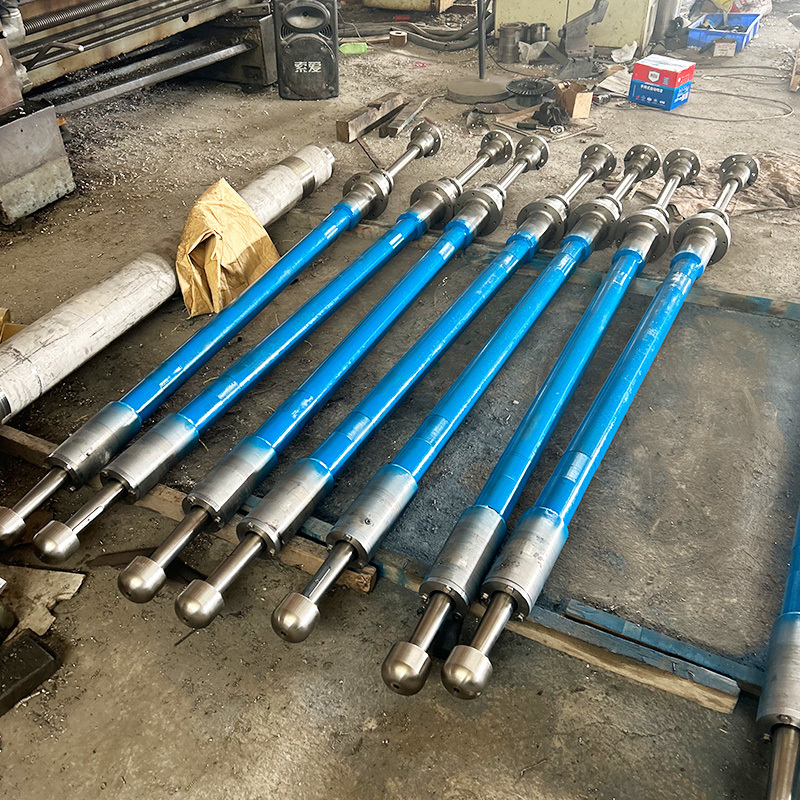
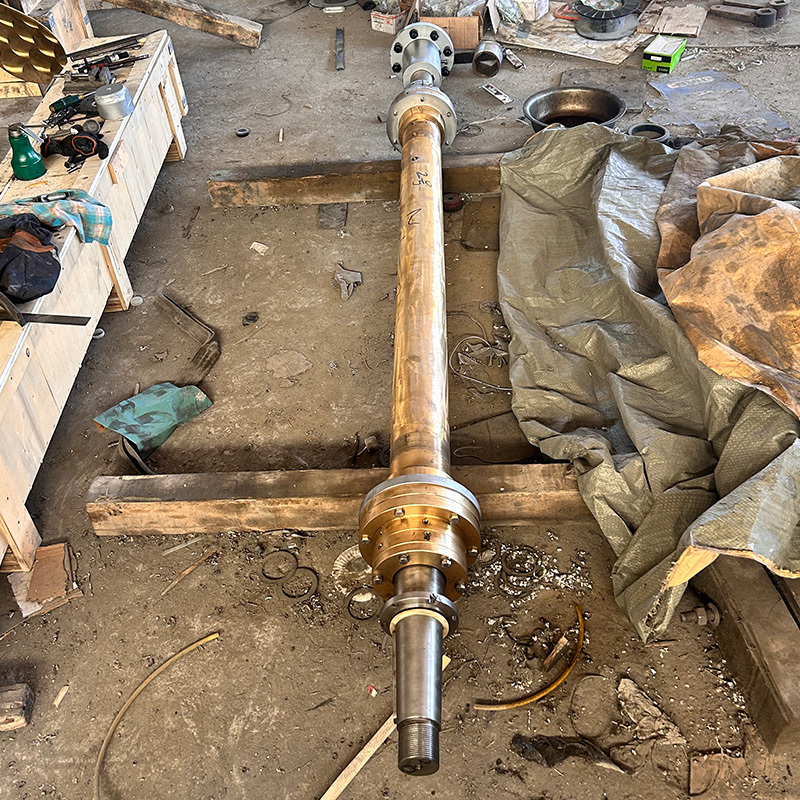
In the transportation sector, particularly within marine operations, the propeller shaft is an essential component that ensures the effective transmission of power from the engine to the propeller. This cylindrical rod not only connects the engine to the propeller but also plays a vital role in determining the operational efficiency and overall performance of a vessel.
A propeller shaft is typically made from robust materials such as steel or aluminum, designed to withstand the harsh conditions of marine environments. Its primary function is to transfer rotational energy generated by the engine to the propeller, which in turn propels the vessel forward. The design and construction of a propeller shaft are critical, as they need to accommodate various stresses, including torque, vibration, and axial loads.
One of the crucial aspects of propeller shafts is their alignment. Proper alignment with the engine and propeller is necessary to prevent vibrations that can lead to mechanical failures, reduced efficiency, and increased wear on various components. Any misalignment can cause undue stress on the shaft and surrounding parts, potentially resulting in costly repairs and downtime.
Additionally, propeller shafts require regular maintenance to ensure optimal performance. This includes checking for signs of wear and tear, corrosion, and ensuring that seals and bearings are in good condition. Implementing a routine maintenance schedule can significantly extend the lifespan of the shaft and enhance the overall performance of the vessel.
Another important consideration in the design of propeller shafts is the choice between flexible and rigid shafts. Flexible shafts can absorb vibrations and misalignments better, making them suitable for larger vessels that experience more dynamic forces at play. Conversely, rigid shafts are often preferred for smaller, high-performance boats due to their simplicity and reduced weight.
In recent years, advancements in technology have also led to the development of composite materials for propeller shafts, offering benefits such as reduced weight, enhanced corrosion resistance, and improved fuel efficiency. These innovations contribute to the growing trend of optimizing marine vessels for better performance and sustainability.
In conclusion, the propeller shaft is a fundamental element in the marine transportation industry, directly influencing a vessel's efficiency and effectiveness. Understanding its importance, maintaining its condition, and considering advancements in design are essential for professionals aiming to enhance operational performance in the maritime sector. As marine technology continues to evolve, staying informed about such critical components will help ensure long-term success in water transportation.
Keywords:
More information


Jin Di
Tel:
Sales E-mail:
MESSAGE
*Note: Please be sure to fill in the information accurately and keep the communication open, we will get in touch with you as soon as possible