
Innovative Rudder Blade Designs That Enhance Maneuverability
Release Time:
Jul 29,2026
Innovative Rudder Blade Designs That Enhance Maneuverability Navigating the ever-evolving landscape of the maritime industry necessitates continual advancements in vessel design and functionality. One of the most critical components influencing a ship's maneuverability is its rudder system. In this article, we will explore **innovative rudder blade designs** that enhance maneuverability, improve o
Innovative Rudder Blade Designs That Enhance Maneuverability
Navigating the ever-evolving landscape of the maritime industry necessitates continual advancements in vessel design and functionality. One of the most critical components influencing a ship's maneuverability is its rudder system. In this article, we will explore **innovative rudder blade designs** that enhance maneuverability, improve operational efficiency, and ensure safety in various marine environments.
Understanding the Importance of Rudder Blade Design
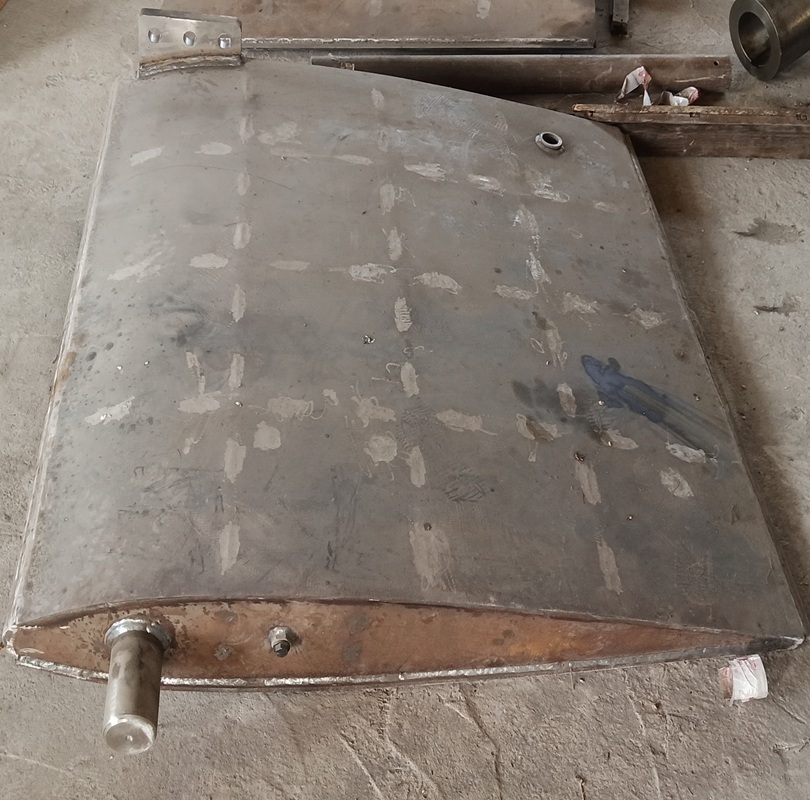
Rudder blades serve as the primary steering mechanism of a vessel, influencing its ability to respond to navigational commands. The **design of a rudder blade** significantly impacts how effectively a ship can turn, maintain speed, and handle adverse conditions.
The Role of Maneuverability in Marine Operations
Maneuverability is essential for various marine operations, including:
- **Port navigation**: Smooth docking and undocking processes.
- **Tactical movements**: Critical for naval vessels in combat scenarios.
- **Emergency responses**: Quick turns and evasive maneuvers can save lives.
Enhancing maneuverability through innovative rudder designs can vastly improve operational capabilities.
Key Innovations in Rudder Blade Design
Recent advancements in materials, technology, and engineering have led to the development of several innovative rudder blade designs. Below, we highlight some of the most impactful innovations.
1. Adaptive Rudder Systems
Adaptive rudder systems utilize sensors and algorithms to adjust the rudder's position dynamically. This technology allows for real-time responses to changing conditions, enhancing a vessel’s maneuverability. By optimizing rudder angles based on speed and environmental factors, these systems minimize resistance and maximize control.
Benefits of Adaptive Rudder Systems
- **Increased responsiveness**: Ships can react more swiftly to navigational commands.
- **Fuel efficiency**: Enhanced control reduces fuel consumption during maneuvers.
- **Safety improvement**: Rapid adjustments decrease the risk of collisions.
2. Biologically Inspired Designs
Biomimicry has emerged as a fascinating approach in engineering, influencing rudder blade shapes to mimic natural organisms. Designs inspired by fish fins or bird wings provide better maneuverability through optimized hydrodynamics.
How Biologically Inspired Designs Work
- **Streamlined shapes**: Mimicking the morphology of marine species reduces drag.
- **Articulating structures**: Flexible components can change shape to improve performance in various conditions.
3. Composite Materials for Durability and Performance
The use of advanced composite materials has revolutionized rudder blade design. These materials offer a combination of lightweight properties and high strength, enhancing maneuverability while ensuring durability.
Advantages of Composite Rudder Blades
- **Weight reduction**: Lighter rudder blades improve overall vessel handling.
- **Corrosion resistance**: Composites withstand harsh marine environments.
- **Lower maintenance costs**: Increased durability translates to longer service life.
4. Integrated Control Systems
Modern rudder blades are increasingly being integrated with comprehensive control systems that monitor various parameters, such as speed, angle, and water conditions. This integration leads to smarter decision-making for enhanced maneuverability.
Features of Integrated Control Systems
- **Automatic adjustments**: Real-time data allows for immediate rudder adjustments.
- **User-friendly interfaces**: Simplified controls enhance the operator's ability to respond effectively.
Challenges and Solutions in Rudder Blade Design
While the innovations discussed are promising, several challenges persist in rudder blade design.
1. Environmental Considerations
As the maritime industry moves toward sustainability, traditional rudder designs often fail to meet eco-friendly standards. The challenge lies in developing designs that minimize environmental impact without compromising performance.
Solutions
- **Research and development**: Ongoing studies to create eco-friendly materials and designs.
- **Regulatory compliance**: Ensuring new designs meet environmental regulations.
2. Costs of Implementation
Implementing innovative designs can involve high initial costs, which may deter some operators.
Solutions
- **Long-term benefits**: Highlighting the savings from enhanced fuel efficiency and reduced maintenance.
- **Government incentives**: Encouraging investment in innovative technologies through subsidies or grants.
Case Studies: Successful Implementation of Innovative Rudder Designs
Several maritime companies have successfully integrated innovative rudder designs into their fleets, showcasing the tangible benefits of these advancements.
1. The XYZ Shipping Company
By adopting adaptive rudder systems, the XYZ Shipping Company reported a 15% increase in fuel efficiency during port maneuvers. This improvement not only reduced operational costs but also decreased their carbon footprint.
2. MarineTech Innovations
MarineTech Innovations developed a composite rudder blade that outperformed traditional designs by 25% in terms of responsiveness and durability. The company has since expanded its market share significantly, showcasing the competitive advantage gained through innovation.
Future Trends in Rudder Blade Design
As technology continues to advance, we can expect the following trends to shape the future of rudder blade design:
1. Enhanced Automation
Future rudder systems are likely to incorporate more automation, reducing the need for human intervention and increasing precision in maneuvers.
2. Smart Materials
Research into smart materials will drive the development of rudders that can adapt their properties in response to environmental stimuli, further enhancing maneuverability.
3. Eco-Friendly Technologies
With increasing scrutiny on environmental impact, the maritime industry will focus on developing rudder designs that meet sustainability goals without sacrificing performance.
FAQs About Innovative Rudder Blade Designs
1. What are the main advantages of innovative rudder designs?
Innovative rudder designs enhance maneuverability, improve fuel efficiency, reduce maintenance costs, and offer better performance in challenging conditions.
2. How do adaptive rudder systems work?
Adaptive rudder systems use sensors and algorithms to make real-time adjustments to the rudder's position based on speed and environmental factors.
3. What materials are commonly used in modern rudder blade designs?
Modern rudder blades often utilize composite materials for their lightweight properties, durability, and corrosion resistance.
4. How does biomimicry influence rudder design?
Biomimicry in rudder design involves mimicking the efficient shapes and movements of marine animals to enhance performance and reduce drag.
5. What are the challenges of implementing new rudder designs?
Challenges include environmental considerations, high implementation costs, and the need for compliance with maritime regulations.
Conclusion
Innovative rudder blade designs are at the forefront of enhancing maneuverability in the maritime industry. By embracing advancements in technology, materials, and design principles, we can significantly improve the performance, safety, and efficiency of vessels. As we look toward the future, the integration of smart materials, automation, and sustainable practices will continue to shape the evolution of rudder systems, ensuring that our maritime operations remain effective and environmentally responsible. The journey toward achieving greater maneuverability is not only an engineering challenge but also a crucial step in advancing the maritime industry as a whole.
Keywords:

Jin Di
Tel:
Sales E-mail:
MESSAGE
*Note: Please be sure to fill in the information accurately and keep the communication open, we will get in touch with you as soon as possible